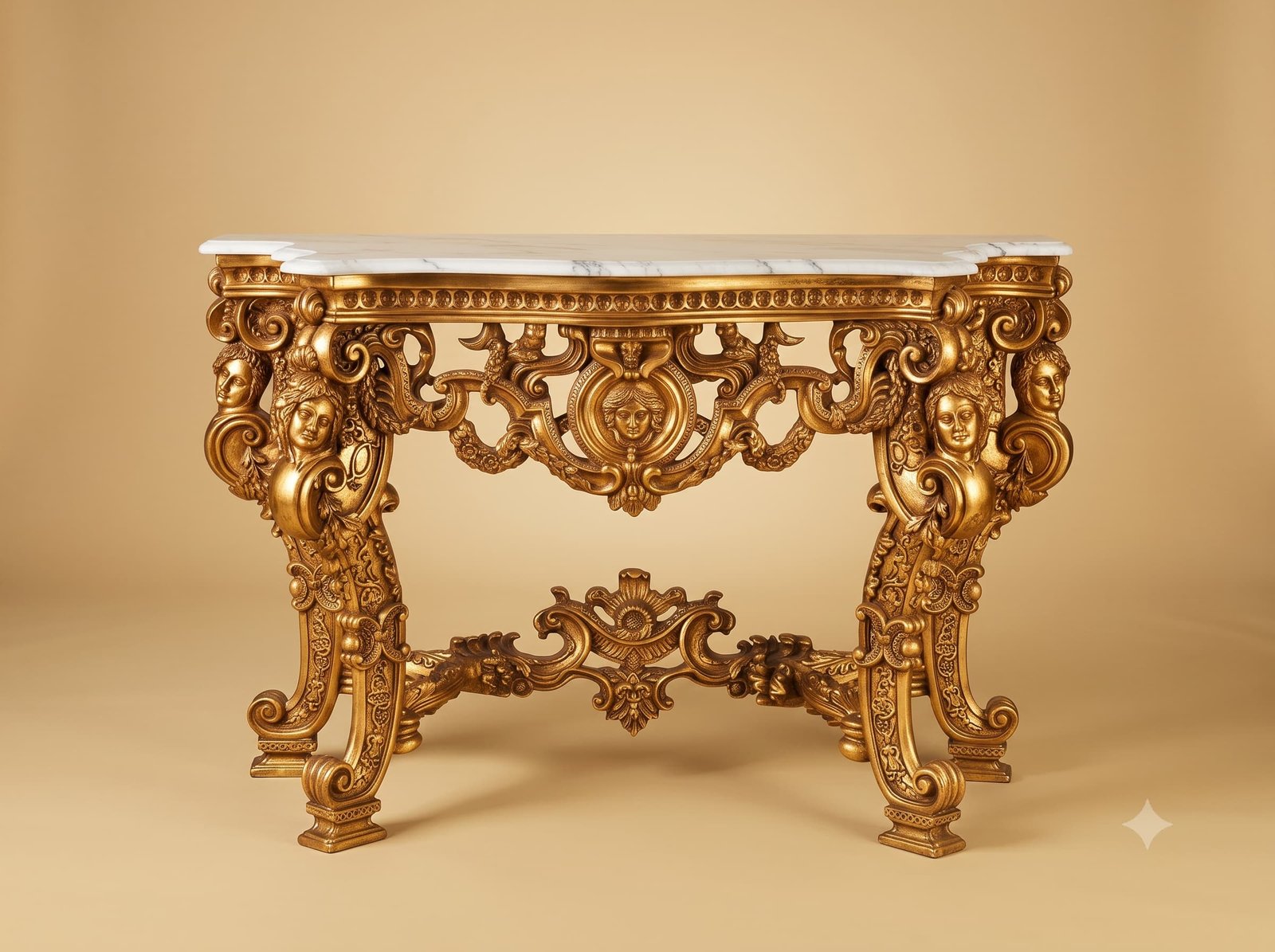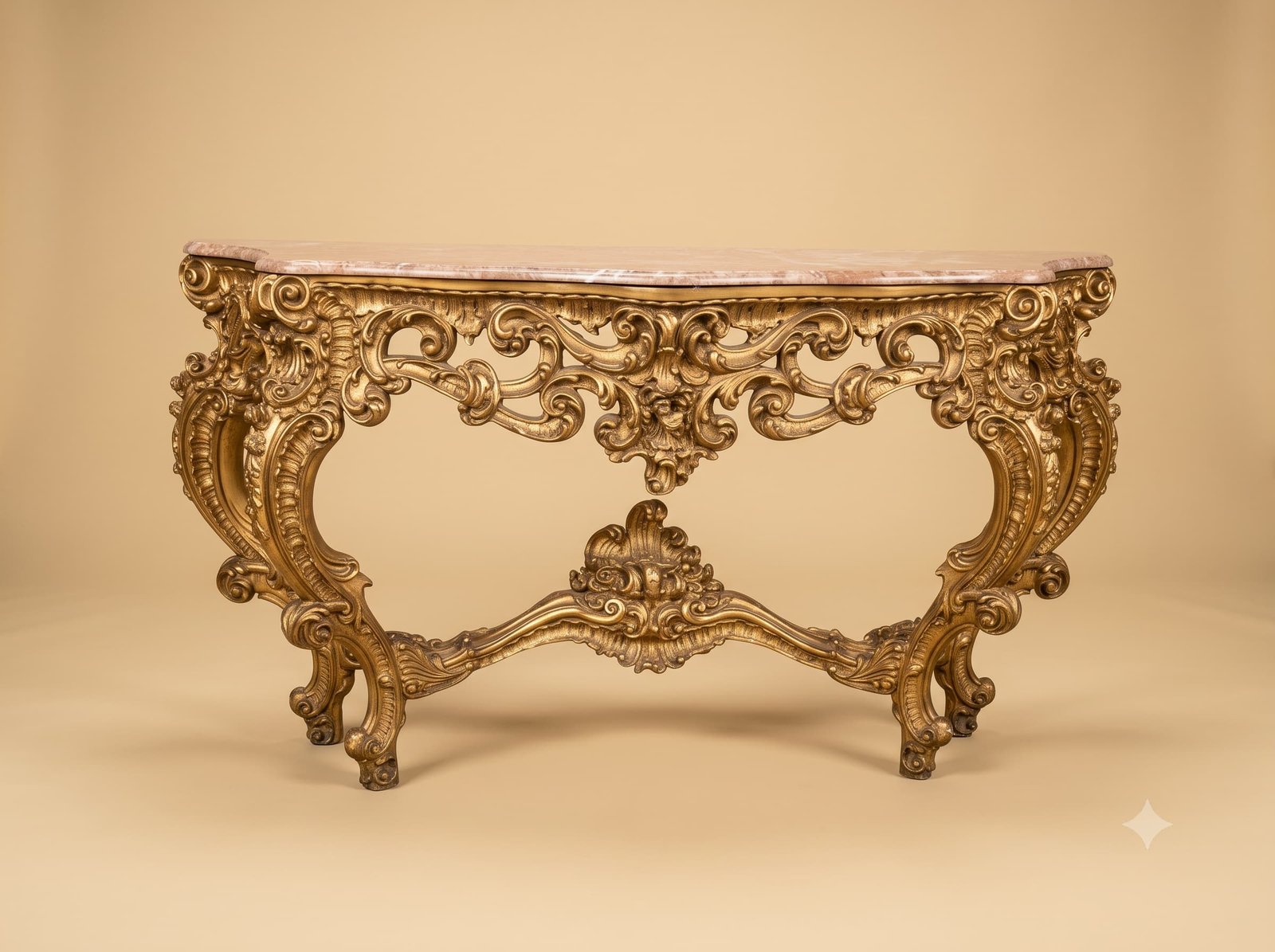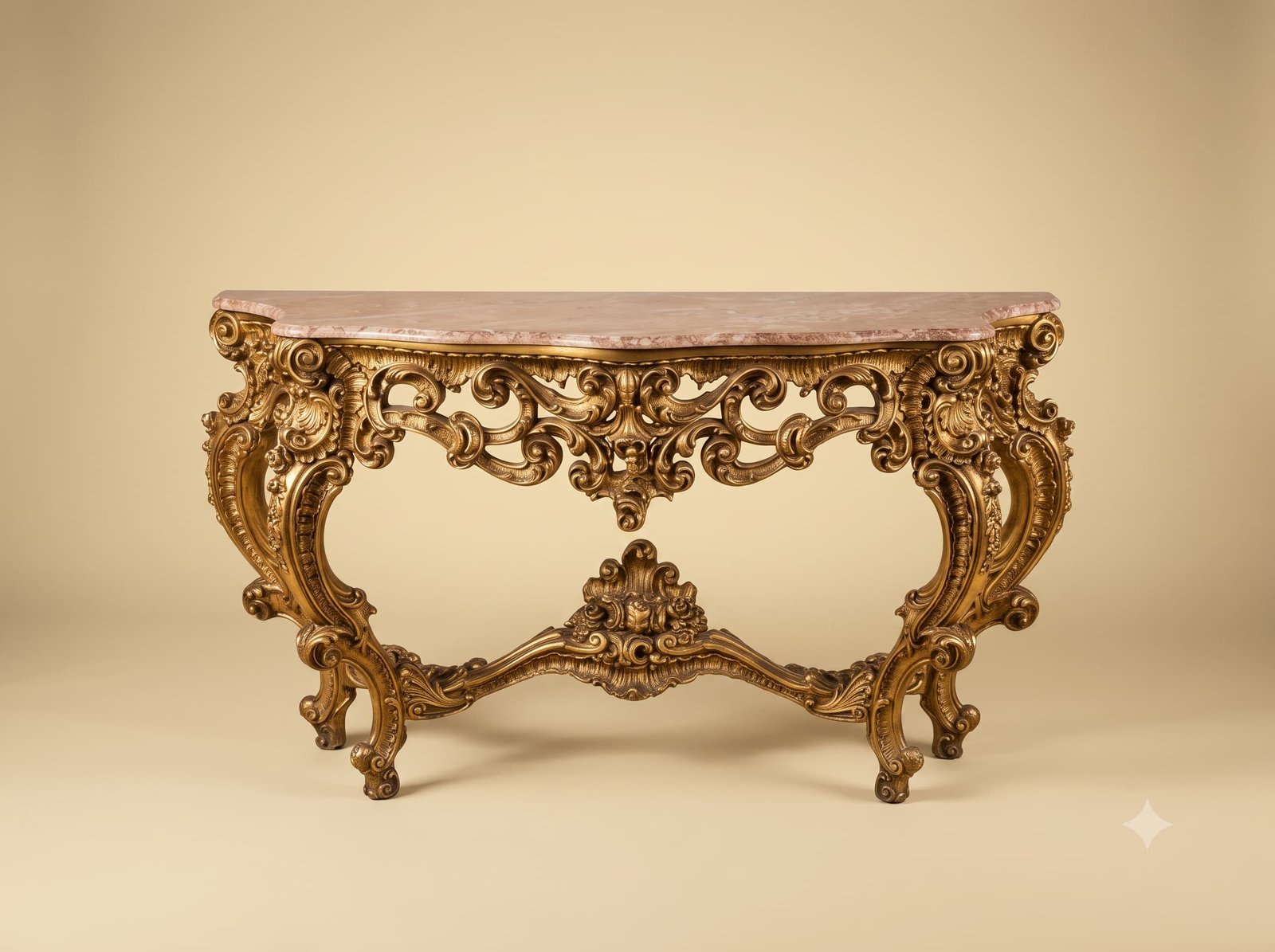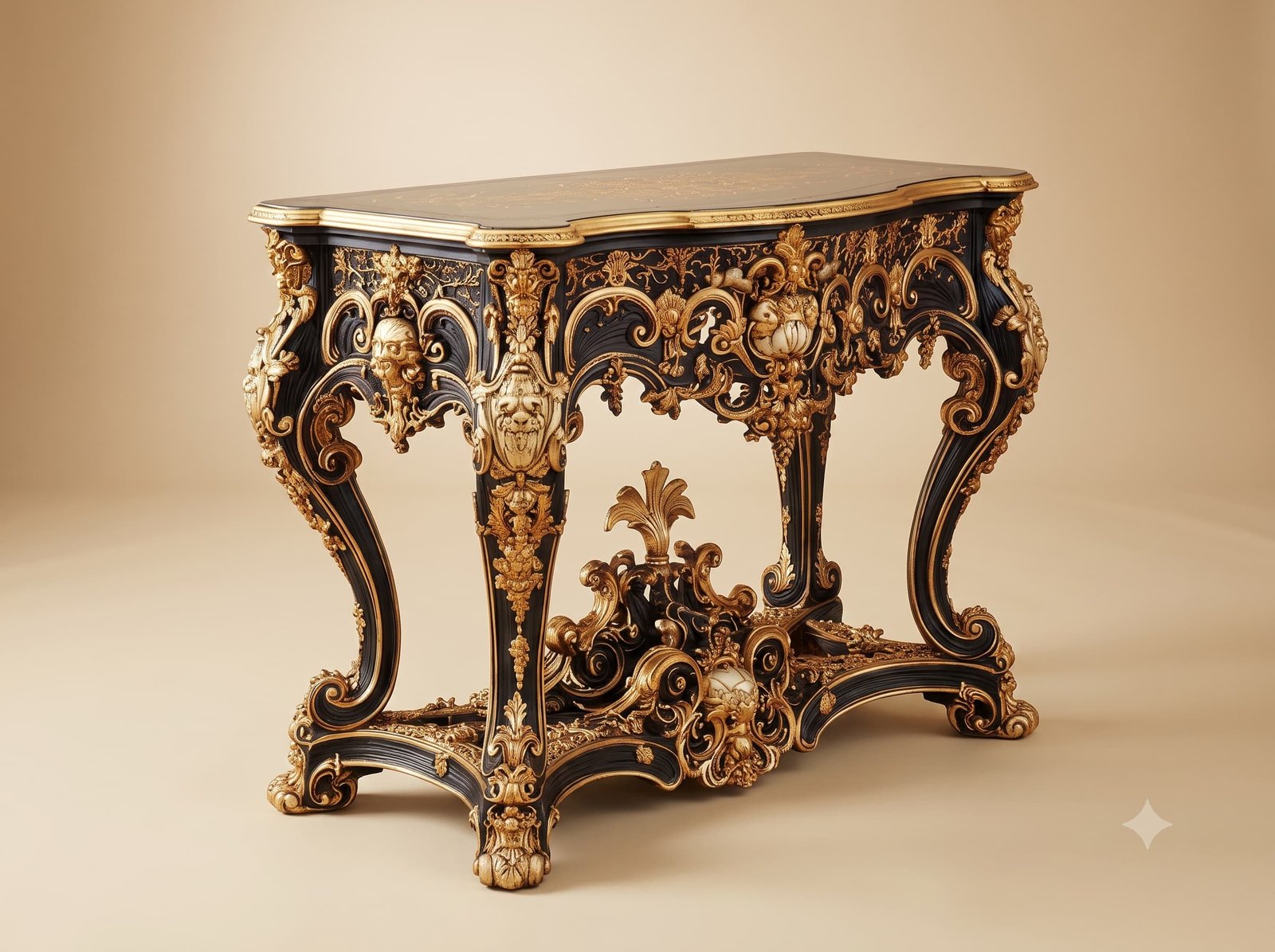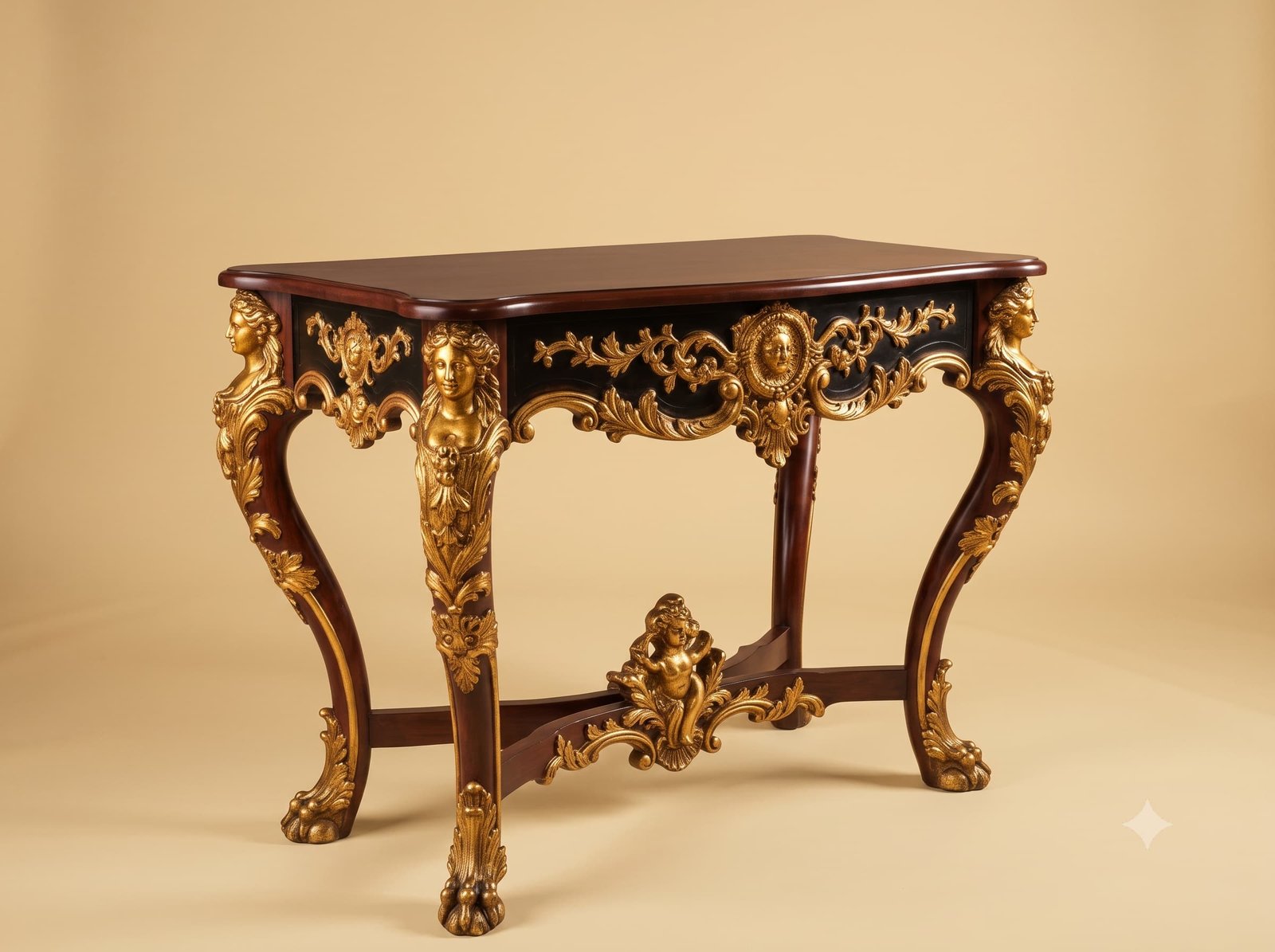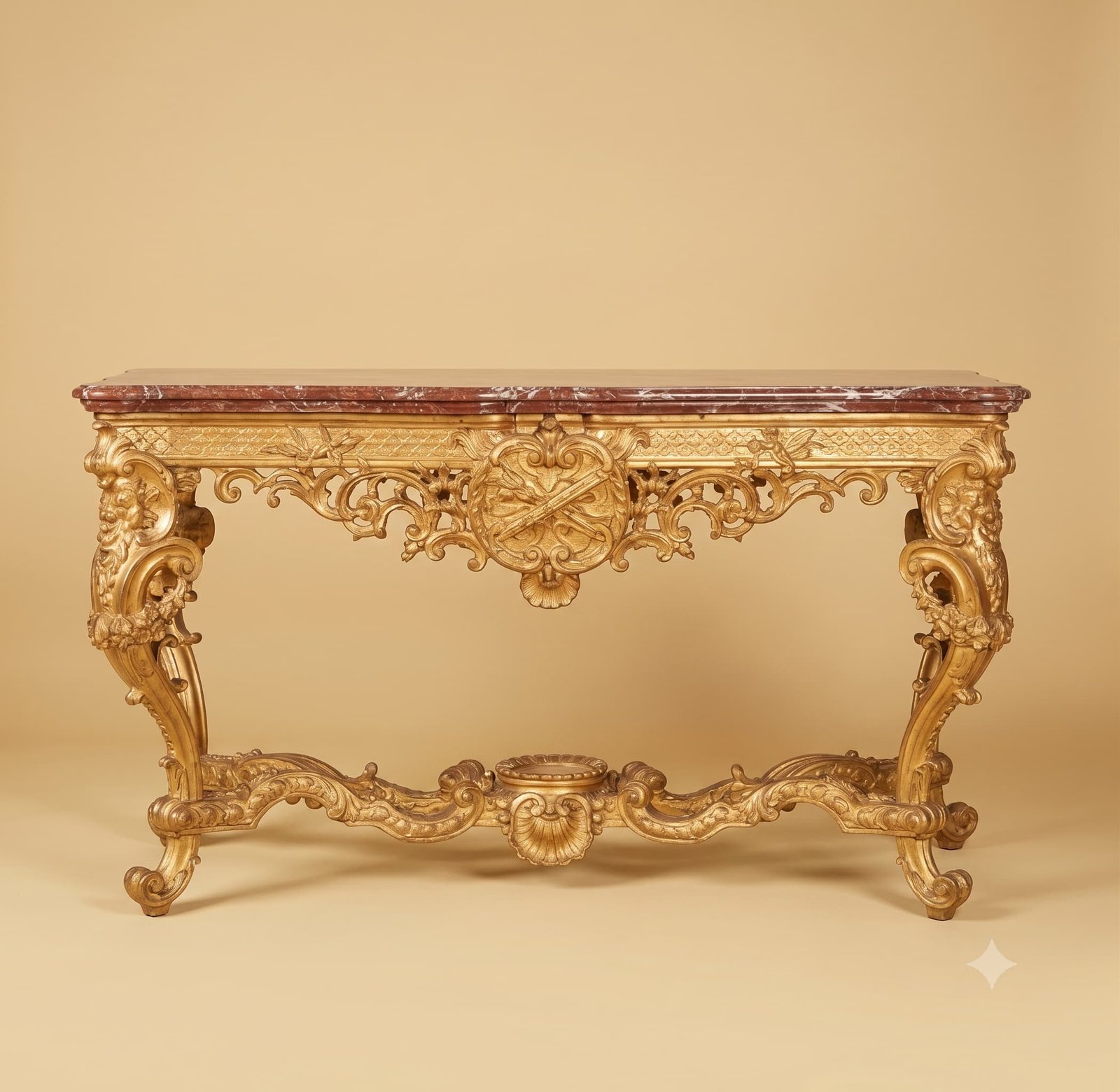
A console has a structural problem no other table has: it is long, it is shallow, and everything gets put on the front of it.
Think about how one is used. Keys, a lamp, a tray, someone leaning a hand on the edge while they take off their shoes - all of it lands near the front, and the front is only a foot or so from the back legs. That geometry means a console is far closer to tipping forward than its size suggests, and a heavy stone top raises the centre of gravity further.
Two things answer it. The first is the stretcher: tying the four legs together low down stops them splaying, which is what would otherwise let the frame lean before it tips. The second is depth in the top joints - the apron rails are made deep front to back where they meet the legs, so the frame resists being folded forward rather than relying on the legs alone.
Where a console is being loaded heavily, or where children are around, we also fit a discreet wall cleat at the back. Tell us at enquiry and it is built in from the start rather than added later.
 Ask Price On WhatsApp