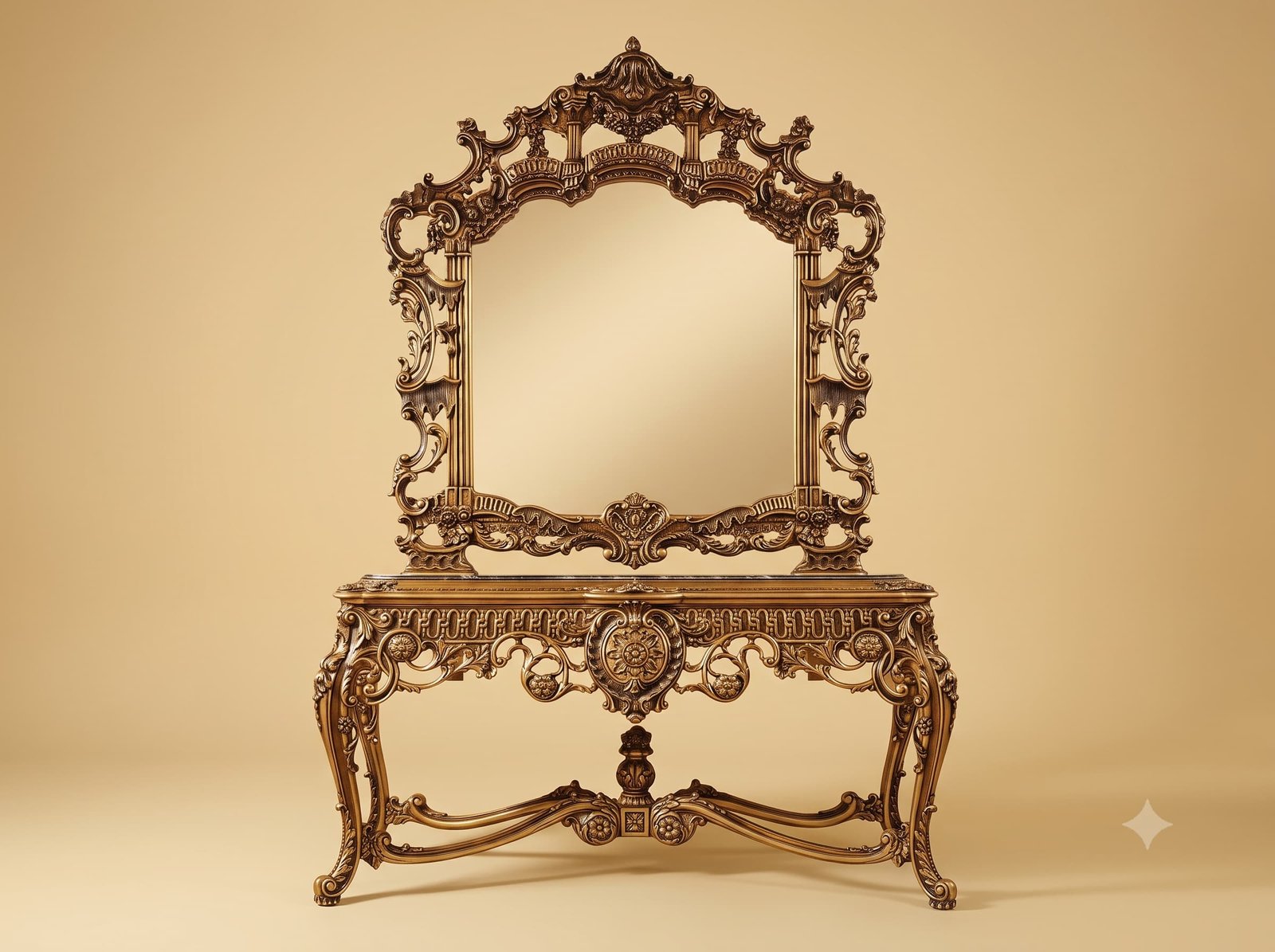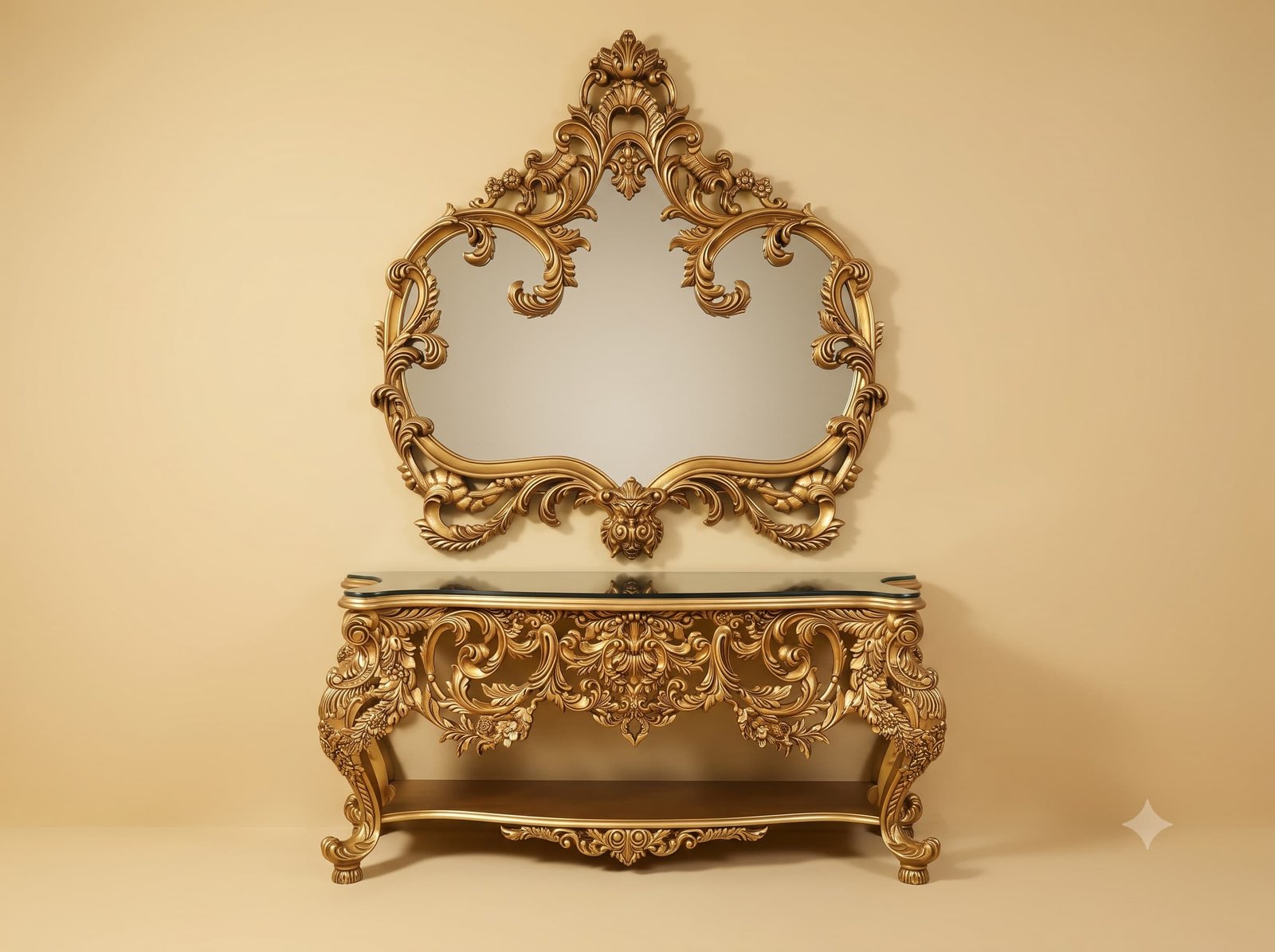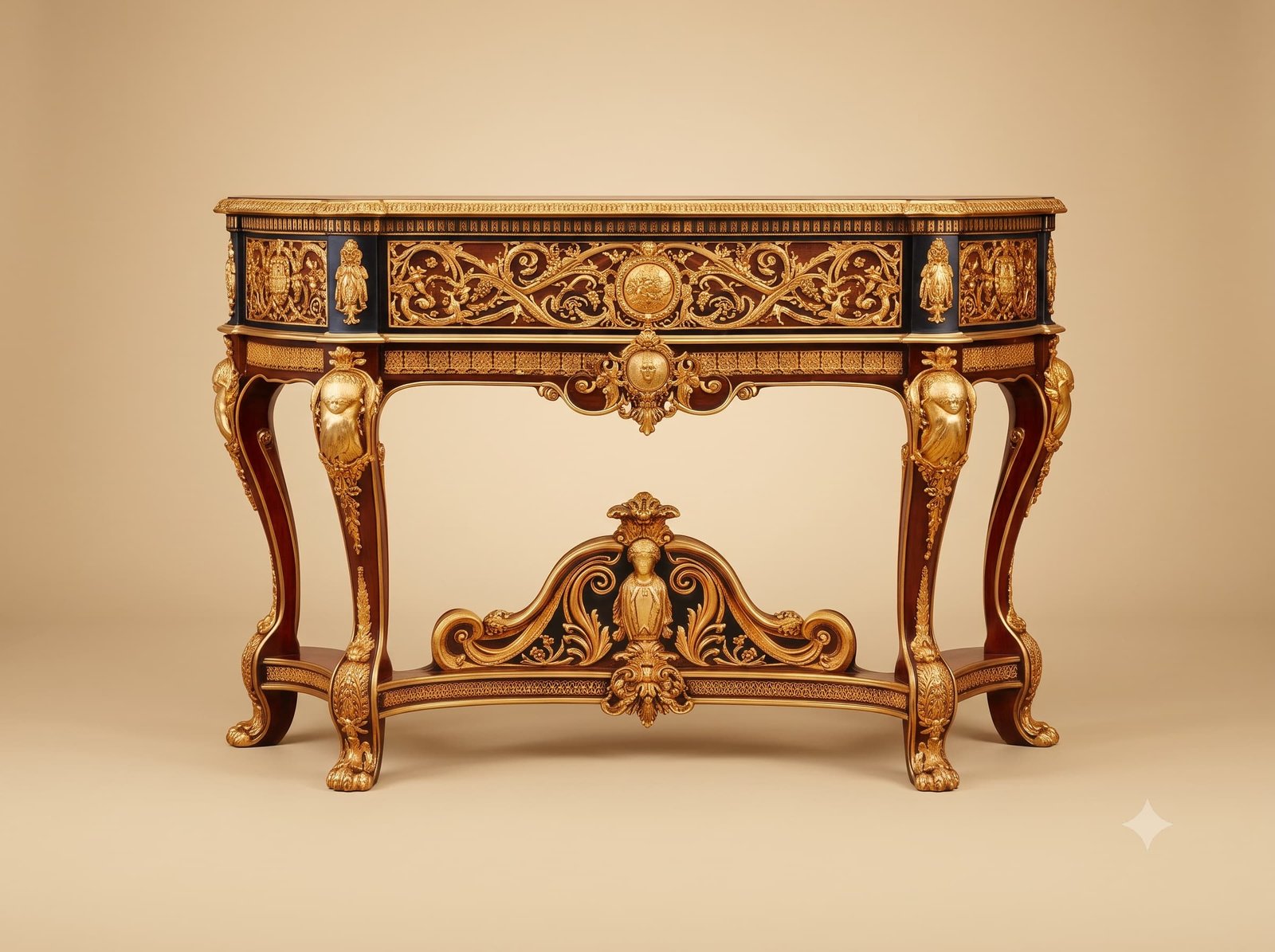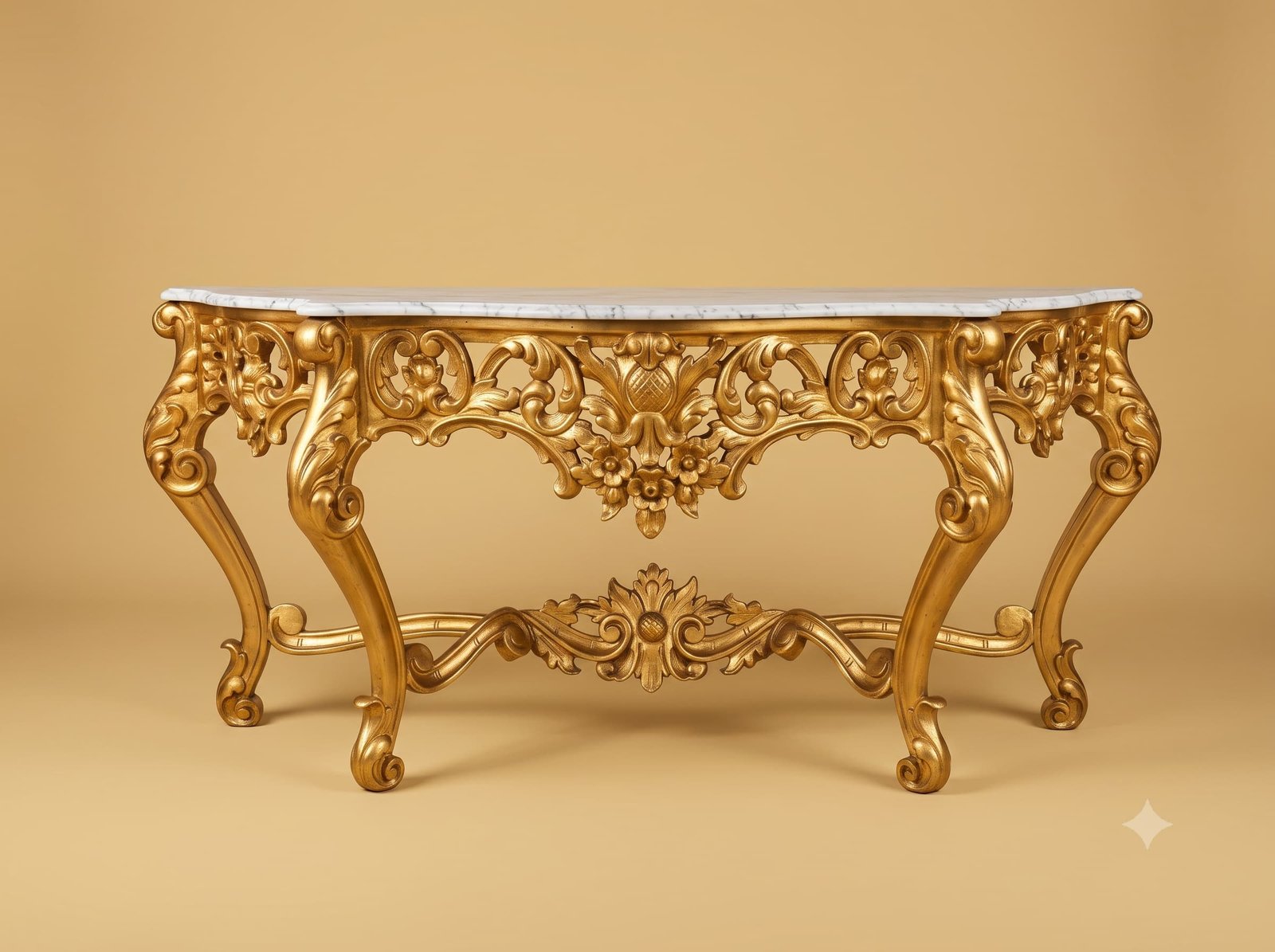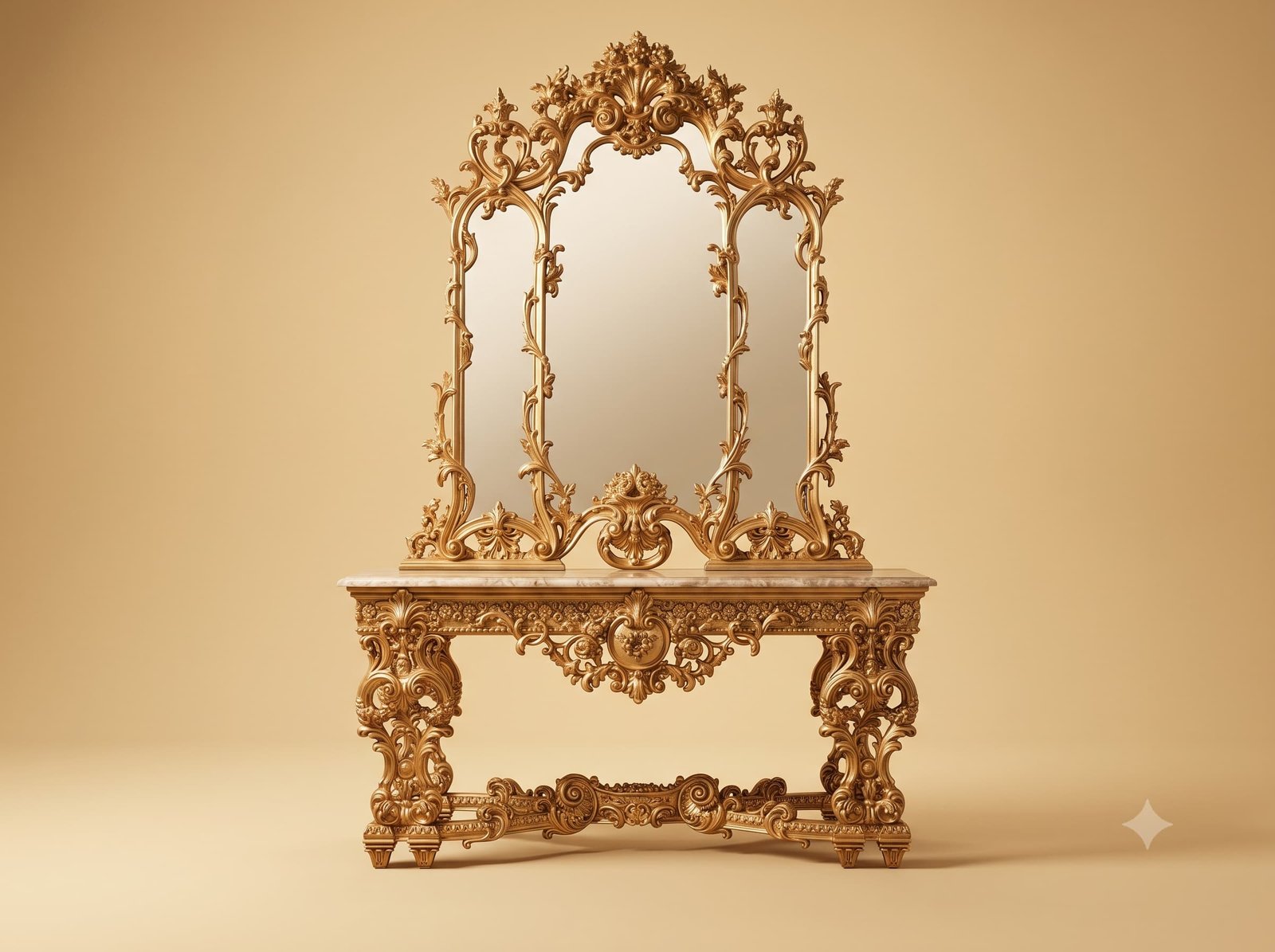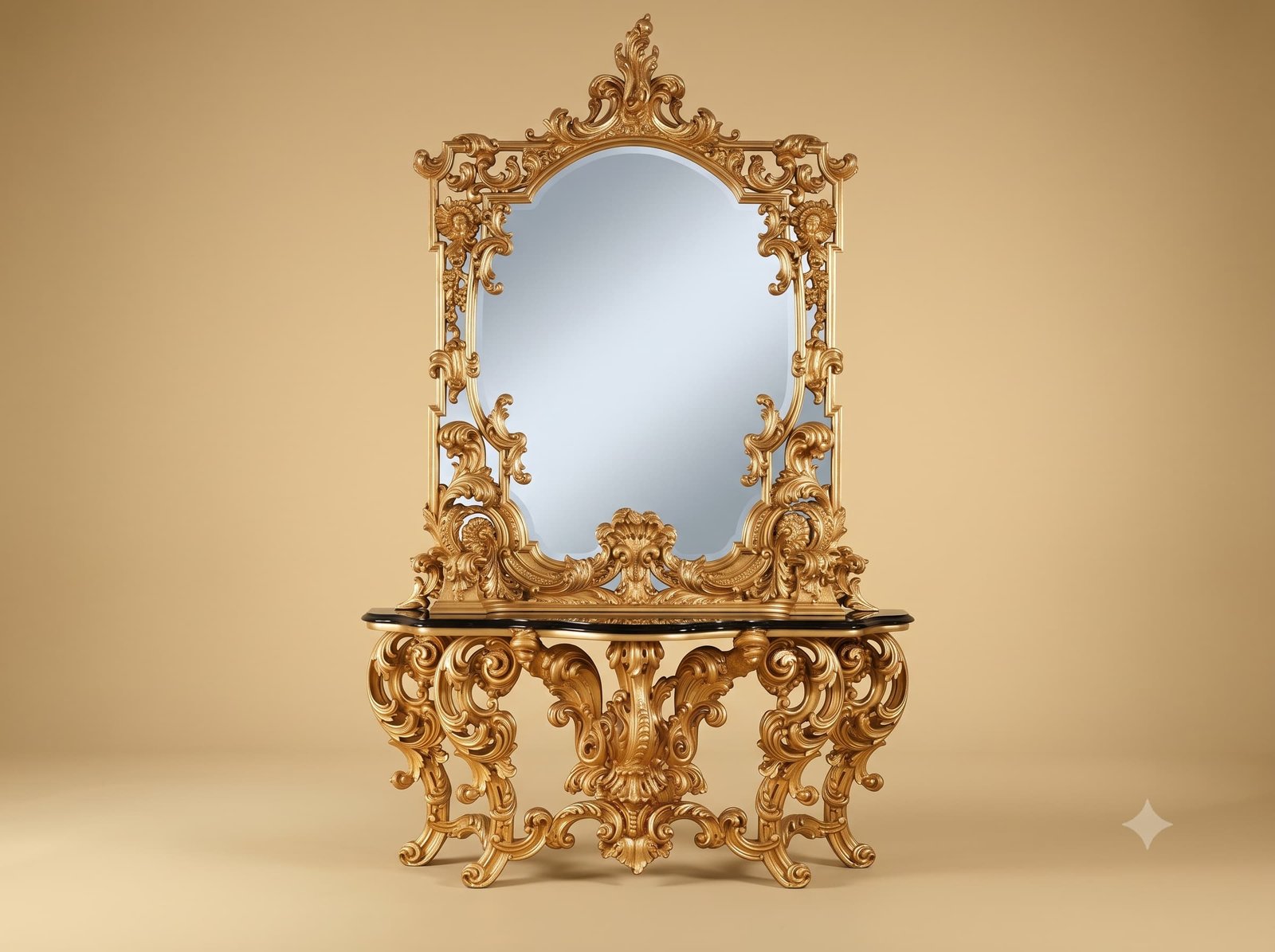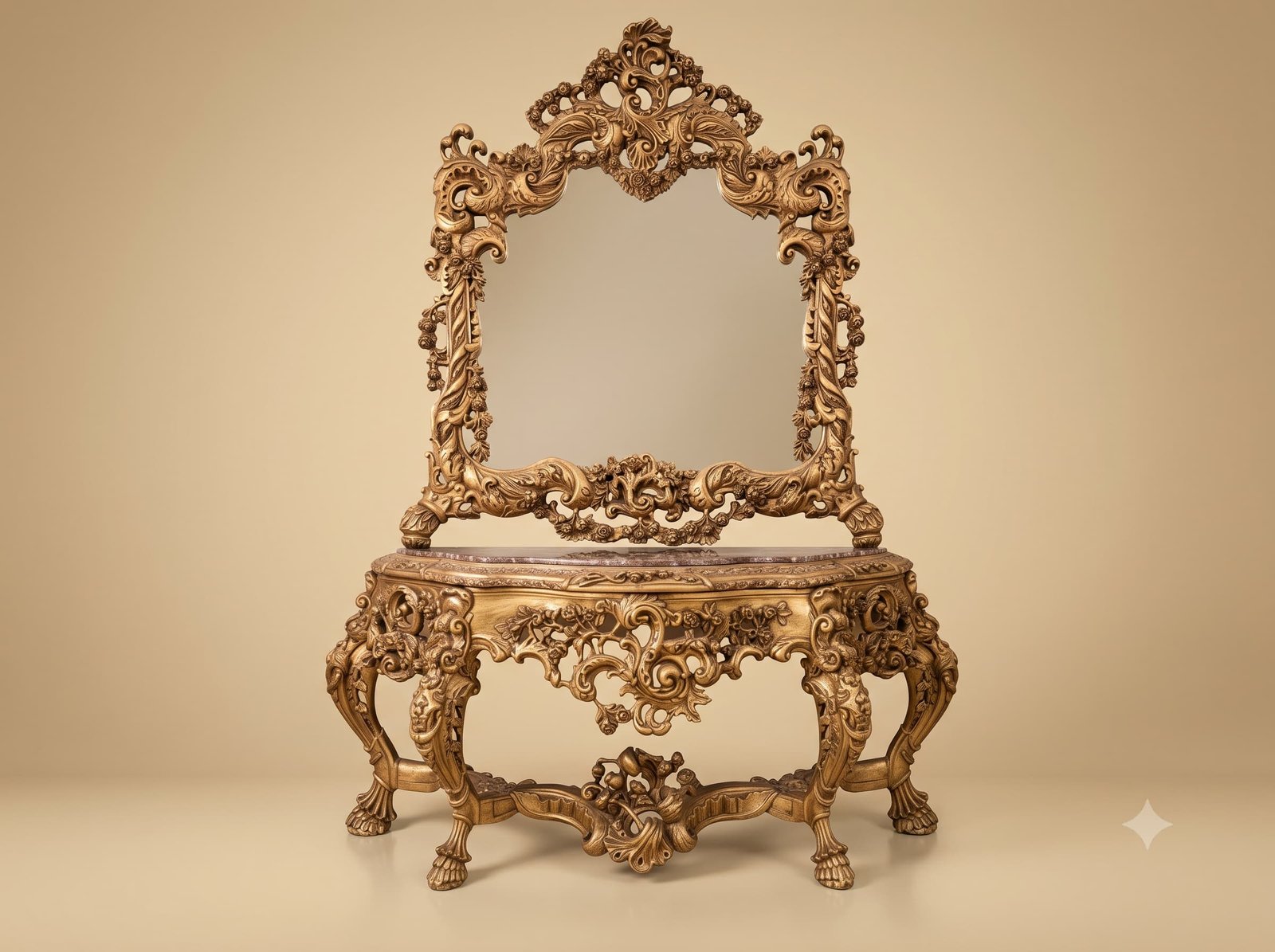
A carved paw foot either looks like it is holding the table up or it looks like an ornament stuck on the bottom of a leg, and the difference comes down to two decisions the carver makes before touching the timber.
The first is projection. The front of the paw has to reach forward past the centre line of the leg above it. A paw that sits directly under the leg reads as tucked in, and the whole table looks as if it is standing on tiptoe. Push the toes forward and the eye immediately accepts that the foot is taking the load.
The second is splay. The toes must spread slightly outward and be modelled so the pads flatten where they meet the floor, the way a real paw does under weight. Toes carved parallel and rounded look like a decorative bunch; toes that splay and flatten look like they are pressing down.
Our master Indian artisans carve all four together, checking them from floor level rather than from above - because floor level is where the foot is actually seen. The table is stood up and looked at from across the room before the paws are considered finished.
 Ask Price On WhatsApp