The story of the walnut polish
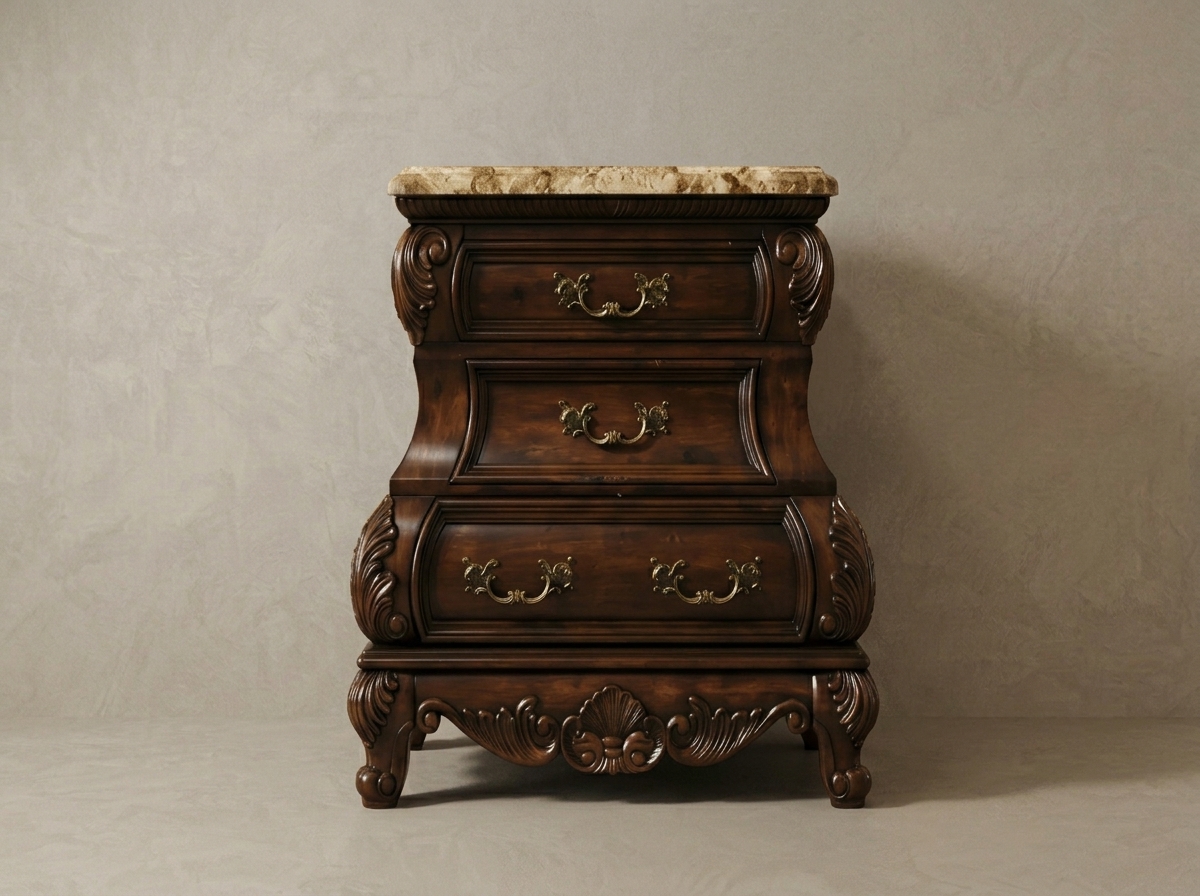
Dark walnut is a colour, not a wood, in most Indian furniture. The tone came into Indian workshops through Victorian and Edwardian imports, where English and European furniture arriving in colonial households was almost always finished in a deep brown. Local craftsmen, working in teak and rosewood, learned to match that tone with stains and shellac so their pieces could stand beside imported ones without looking out of place.
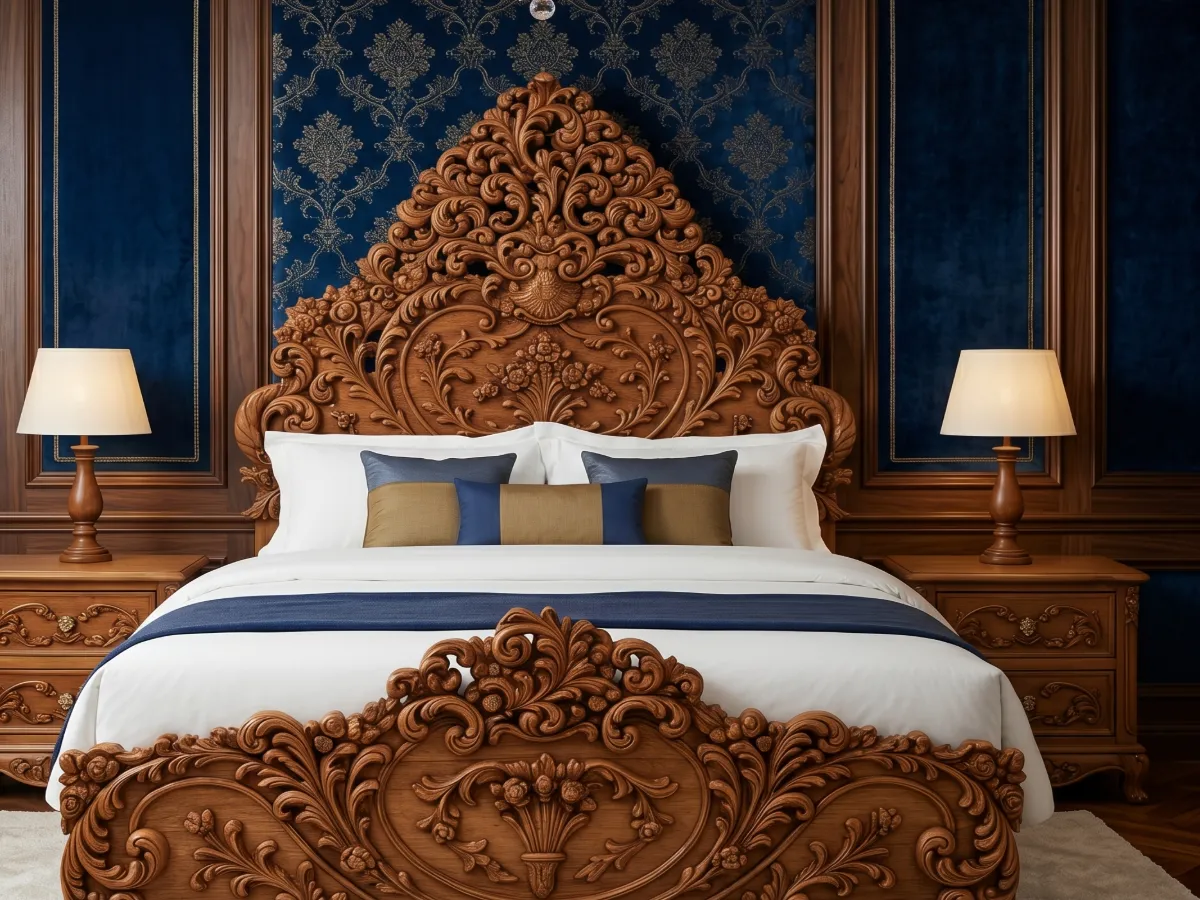
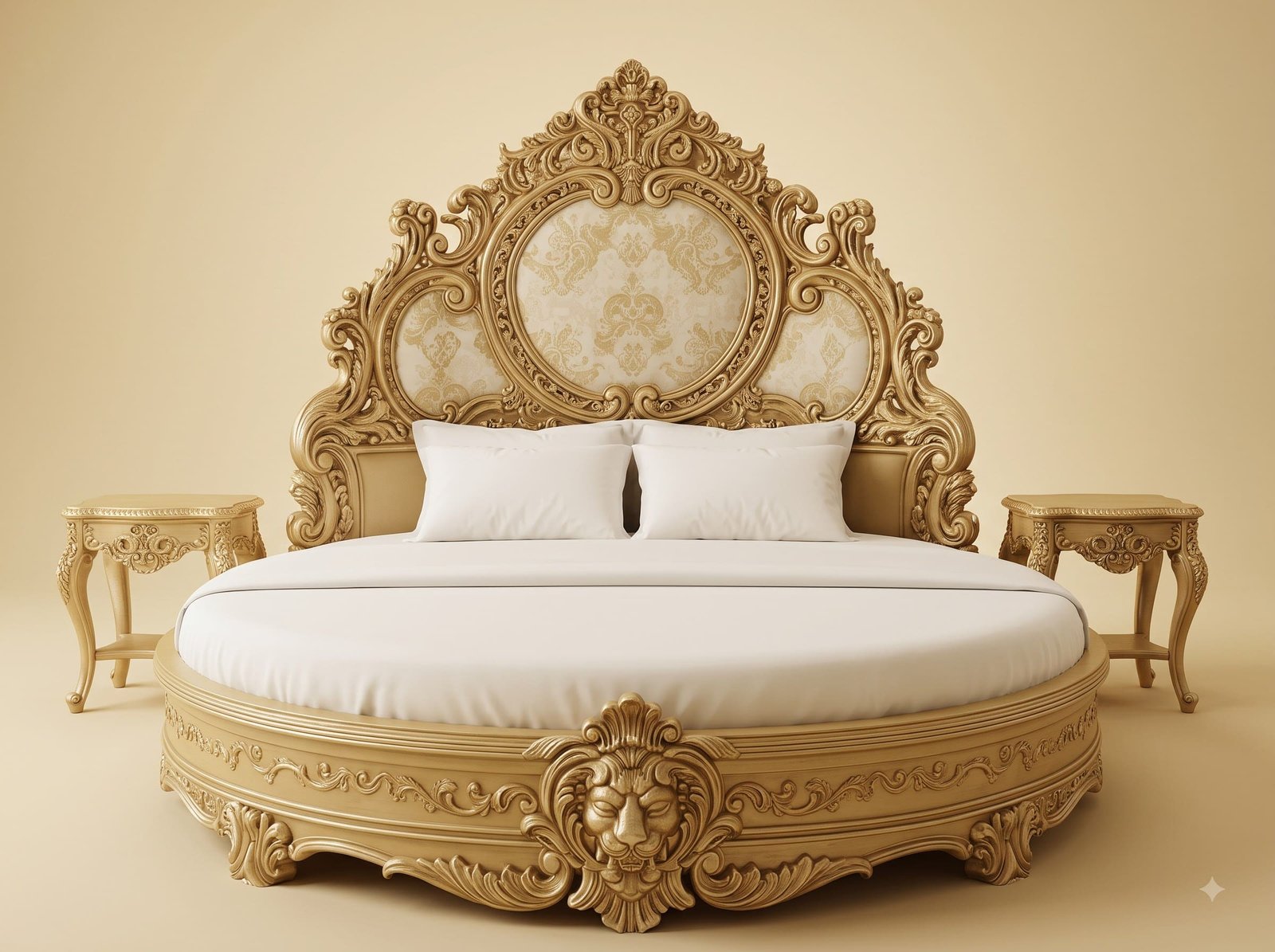
The method that survived is French polishing with a rubber: a cloth pad charged with shellac and moved in continuous circles over the surface, coat after coat, with the polisher judging by drag and sheen rather than by any measurement. A good polisher will lay down dozens of passes on a headboard of this size. Spraying a lacquer would take an afternoon and produce a flat, plastic-looking film.
Our artisans still polish by hand for this reason. Handcrafted Indian luxury shows itself in the surface as much as in the carving, and a hand-rubbed walnut finish can be revived decades later with fresh shellac. A sprayed finish, once damaged, has to be stripped completely.
 Ask Price On WhatsApp