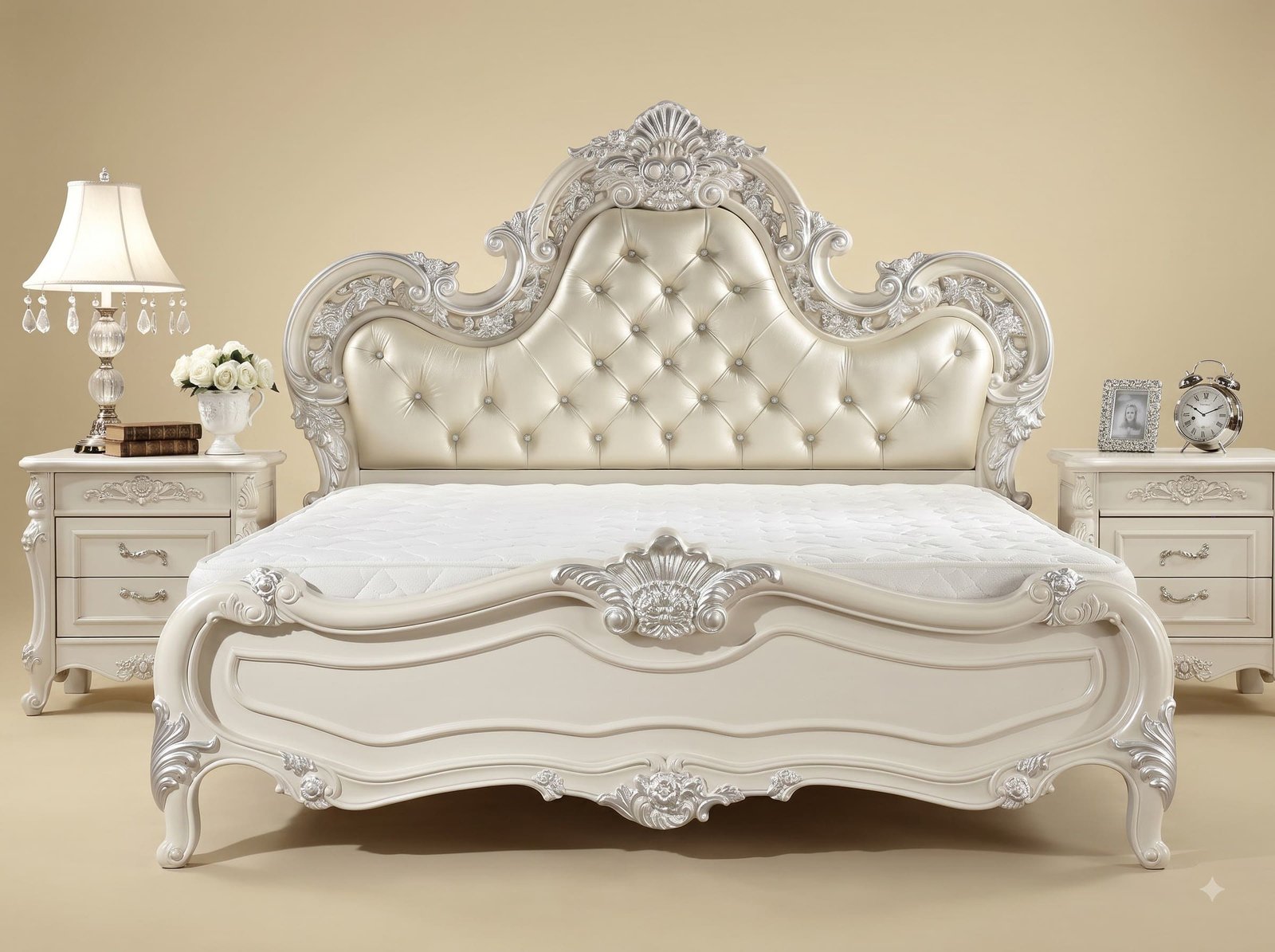
The story of hand-applied leaf
Metal leafing is one of the oldest decorative crafts still practised by hand, and almost nothing about the method has changed. The leaf itself is beaten to a thickness measured in fractions of a micron, thin enough that a draught from an open door will destroy a sheet. Gilders work in still rooms, lifting each leaf with a flat brush charged with static rather than with their fingers.
The surface underneath does most of the work. The carving is sealed, then coated with a size, and the leaf is laid when the size reaches a precise tack. Too early and the leaf drowns; too late and it will not hold. Judging that moment is entirely by touch, and it is the part of the craft that cannot be taught from a manual.
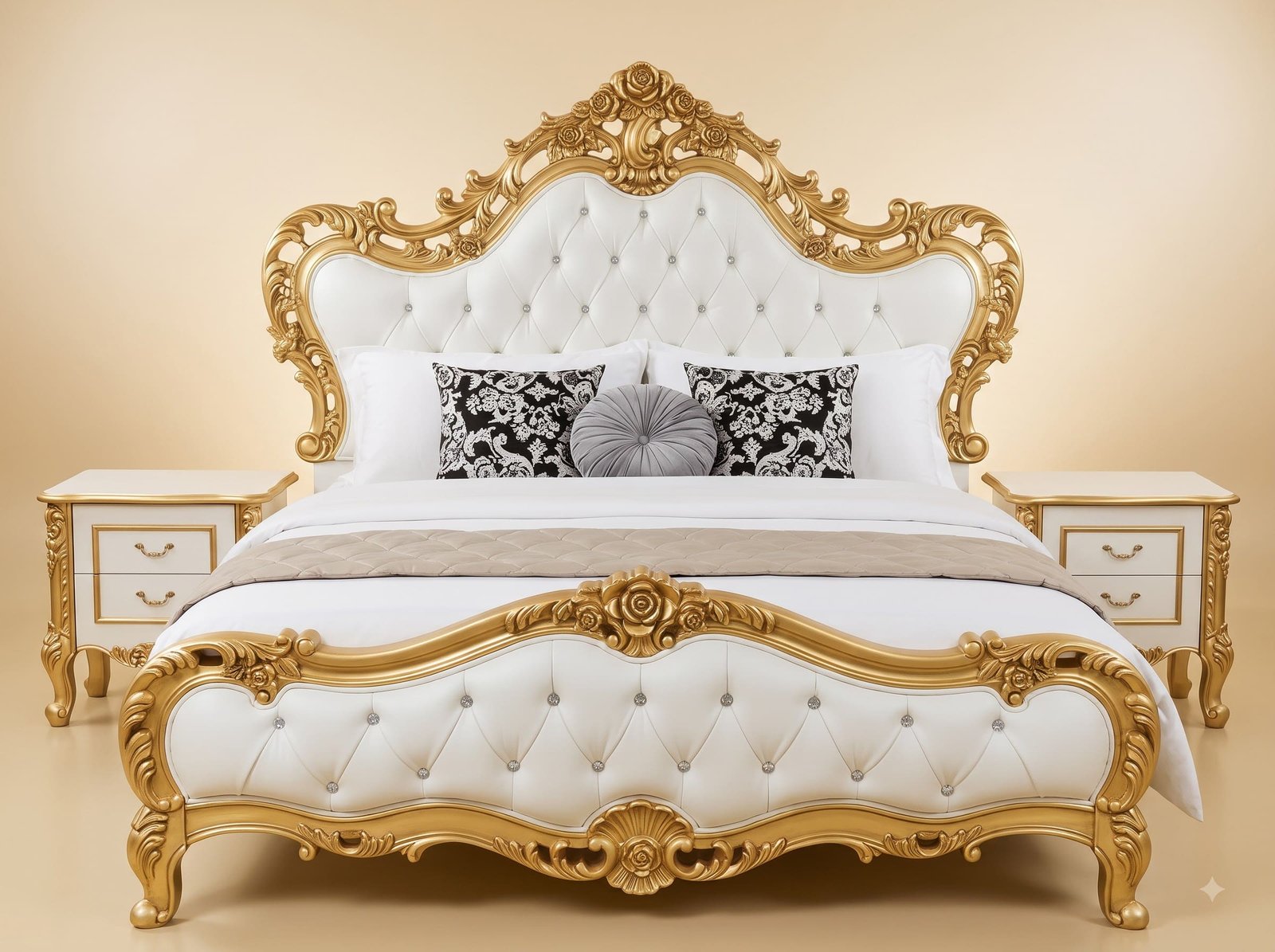
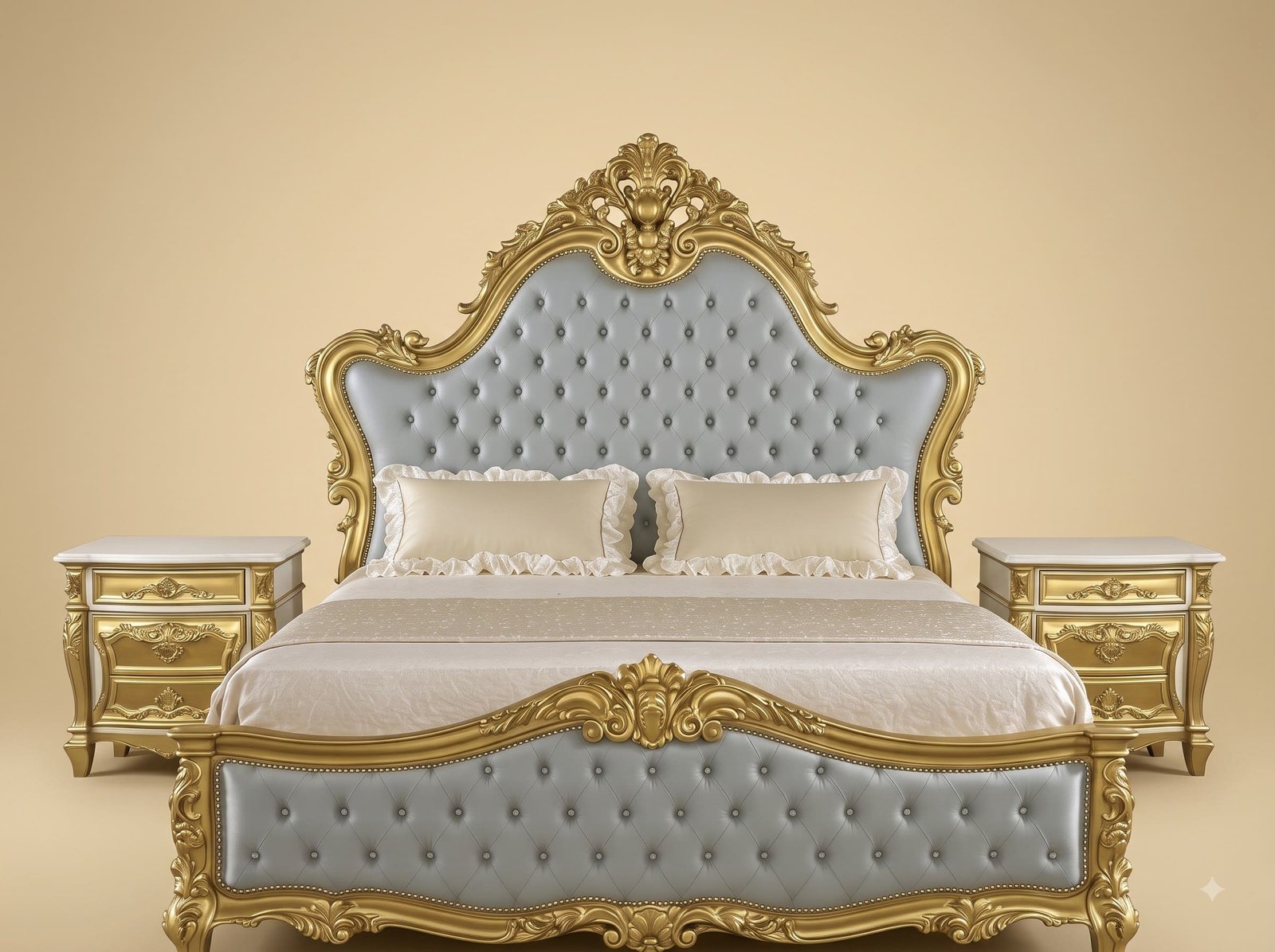
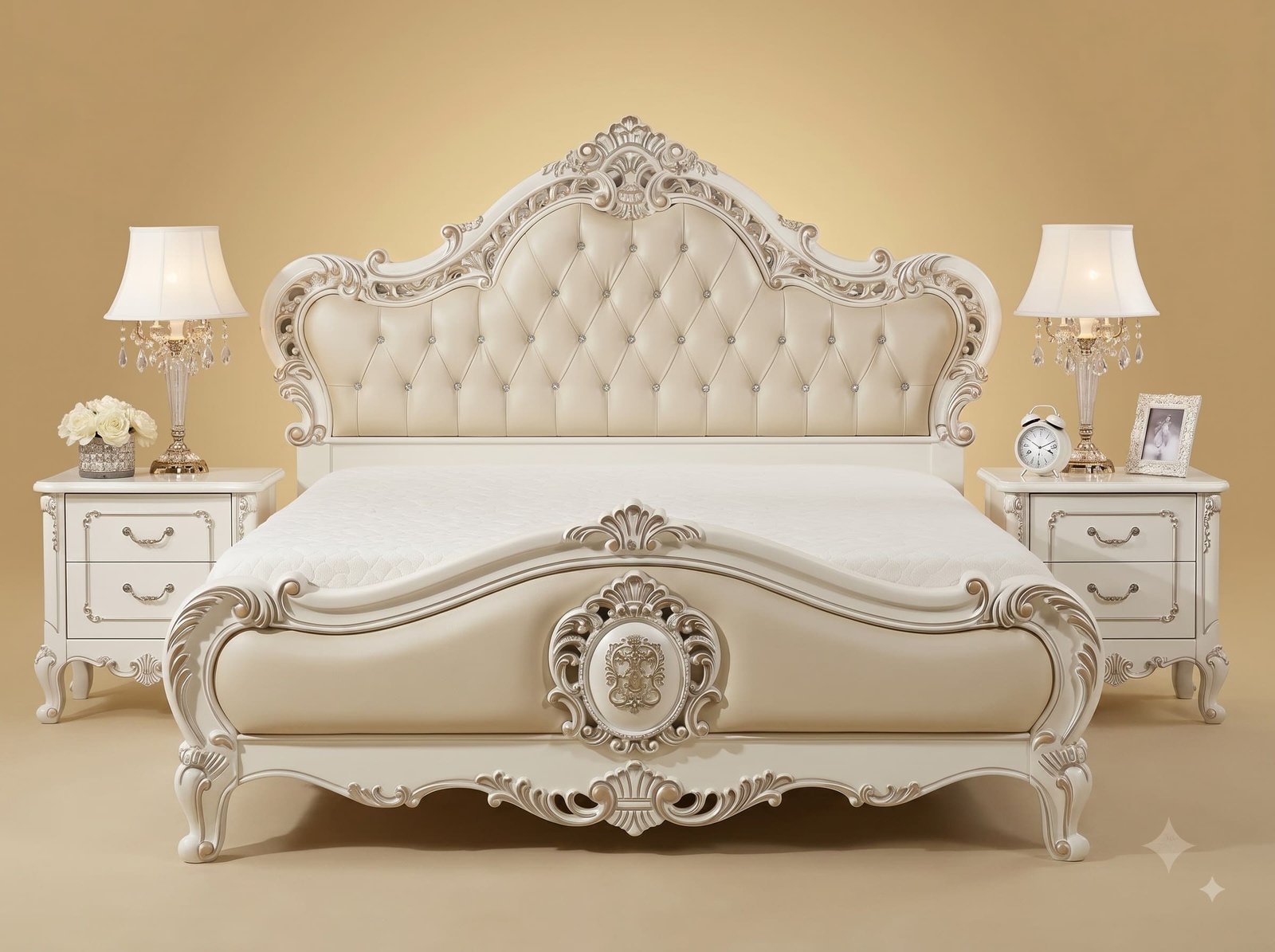
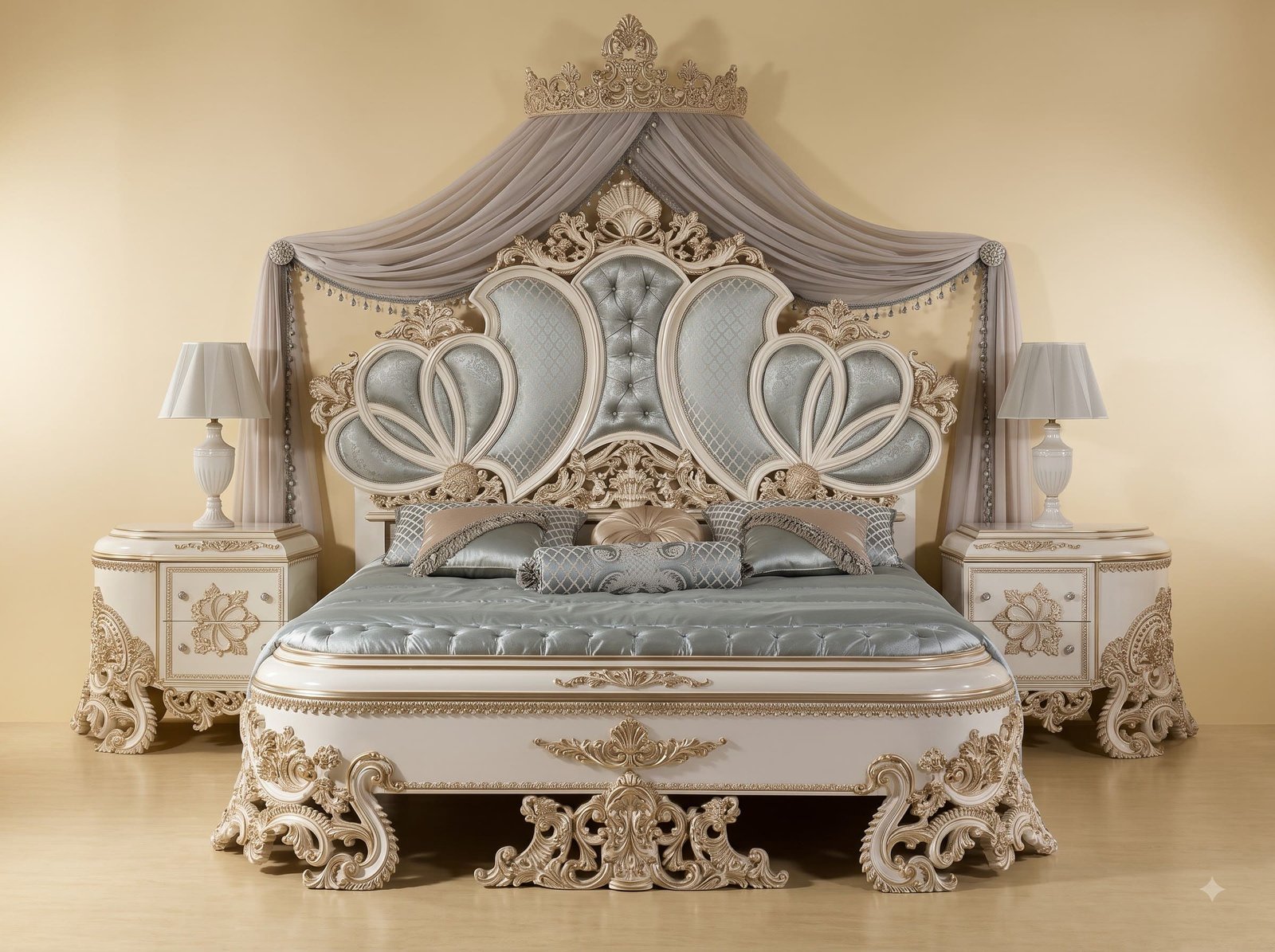
Once laid, the leaf is burnished and the carving is toned back so the silver reads as age rather than as a new metallic coating. Indian workshops adopted this technique for palace and haveli furniture and never abandoned it. On this bed the silver is real applied leaf on hand-carved solid teak, which is why the metallic surface has depth instead of the flat uniformity of metallic paint.
 Ask Price On WhatsApp