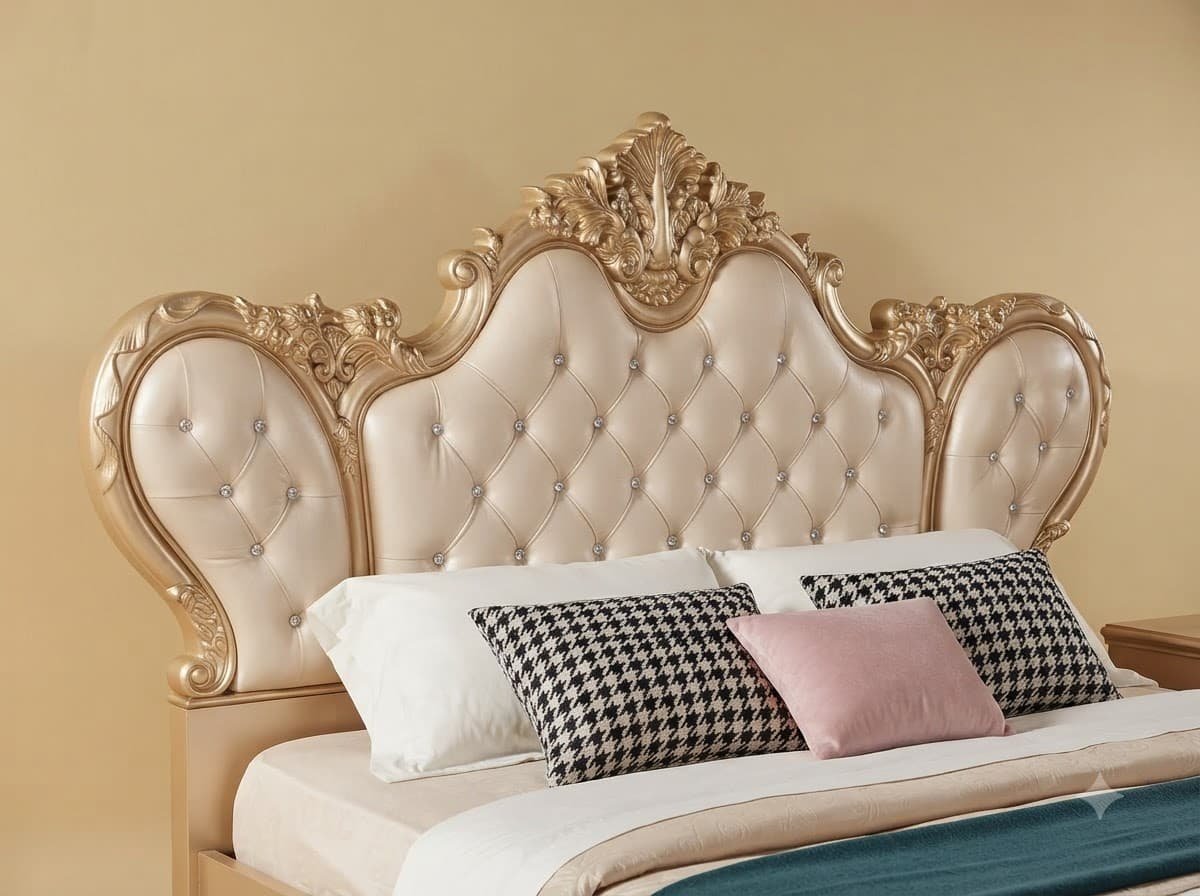
Wings on a Bed, Borrowed From a Chair
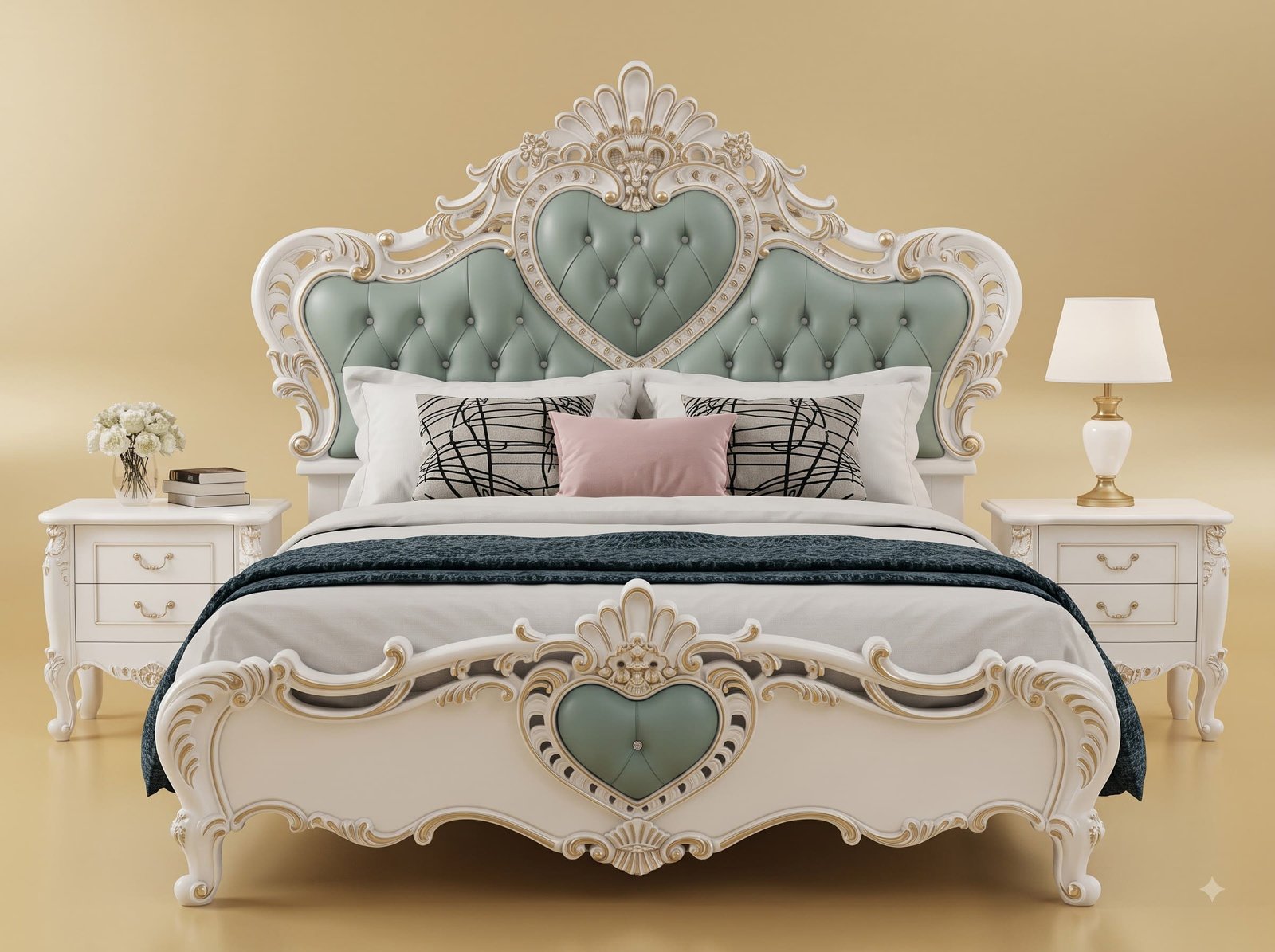
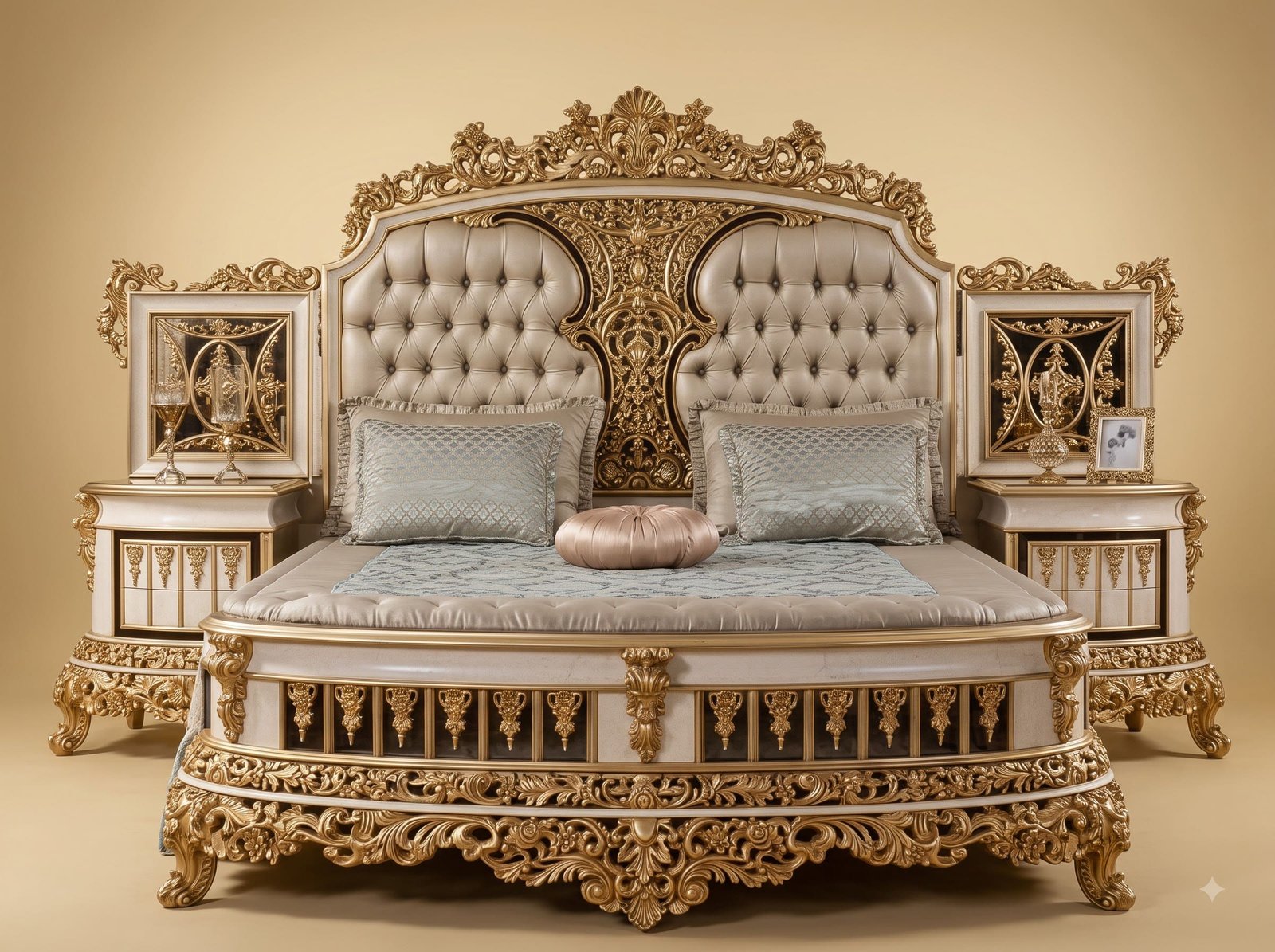
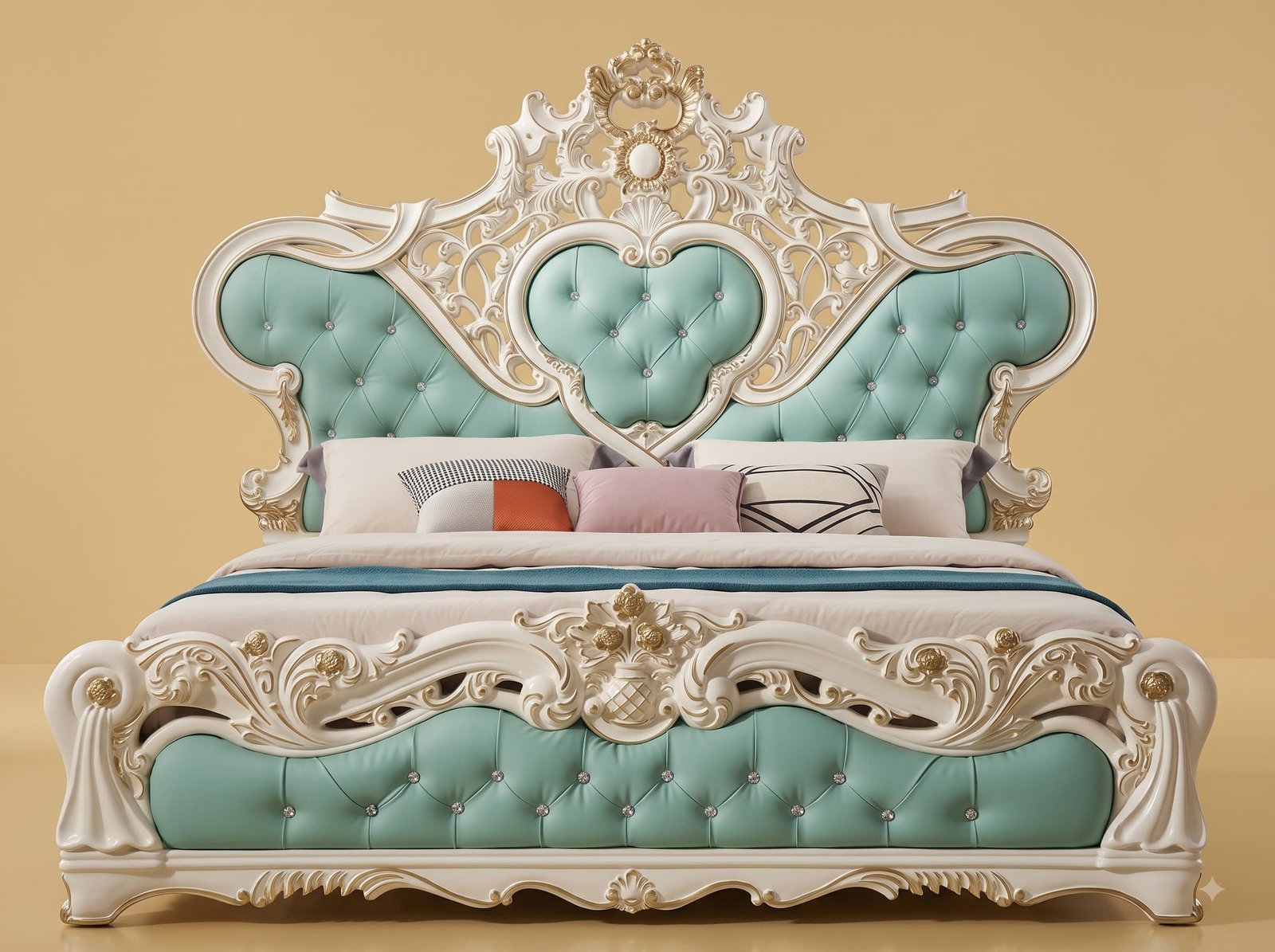
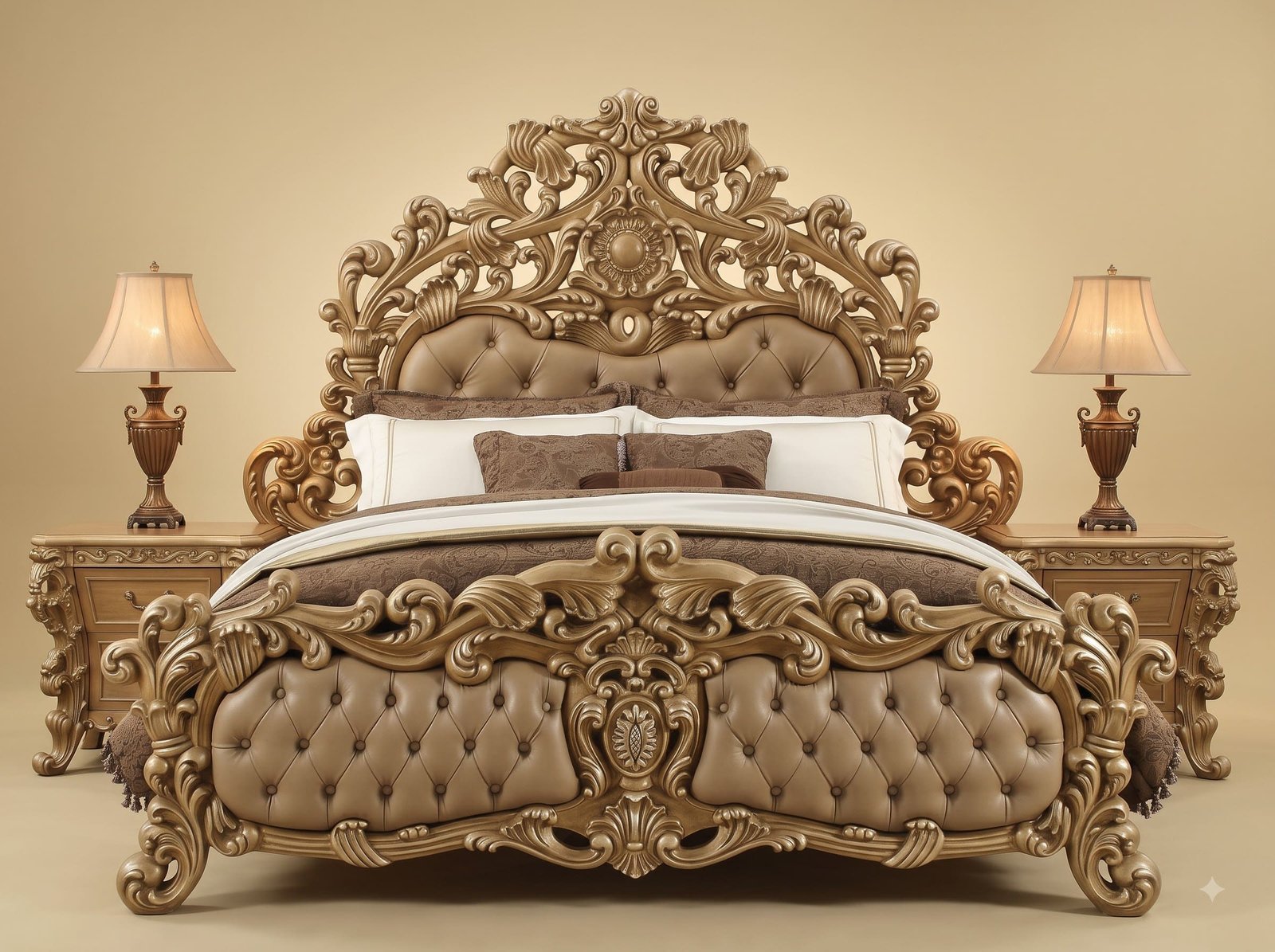
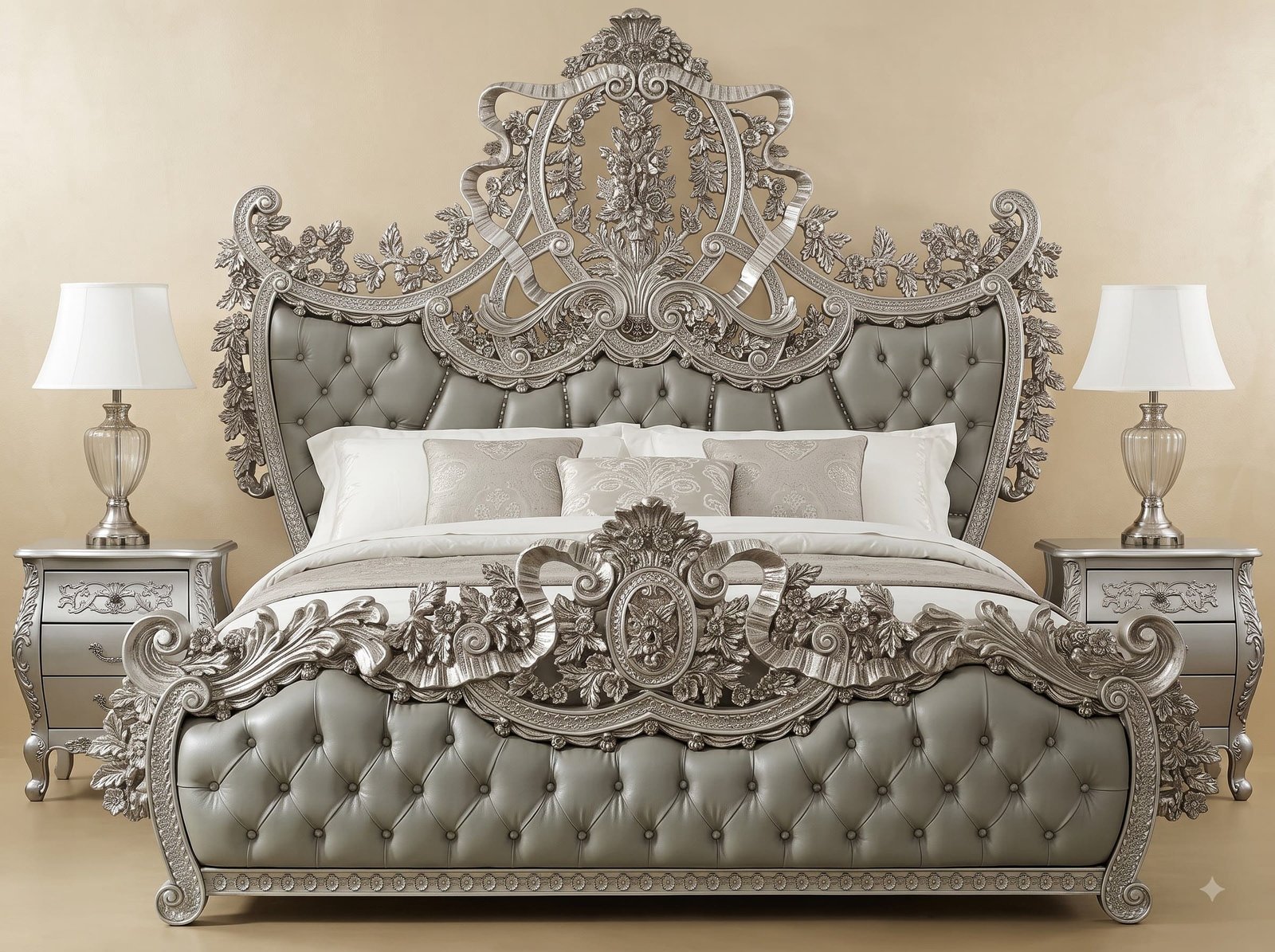
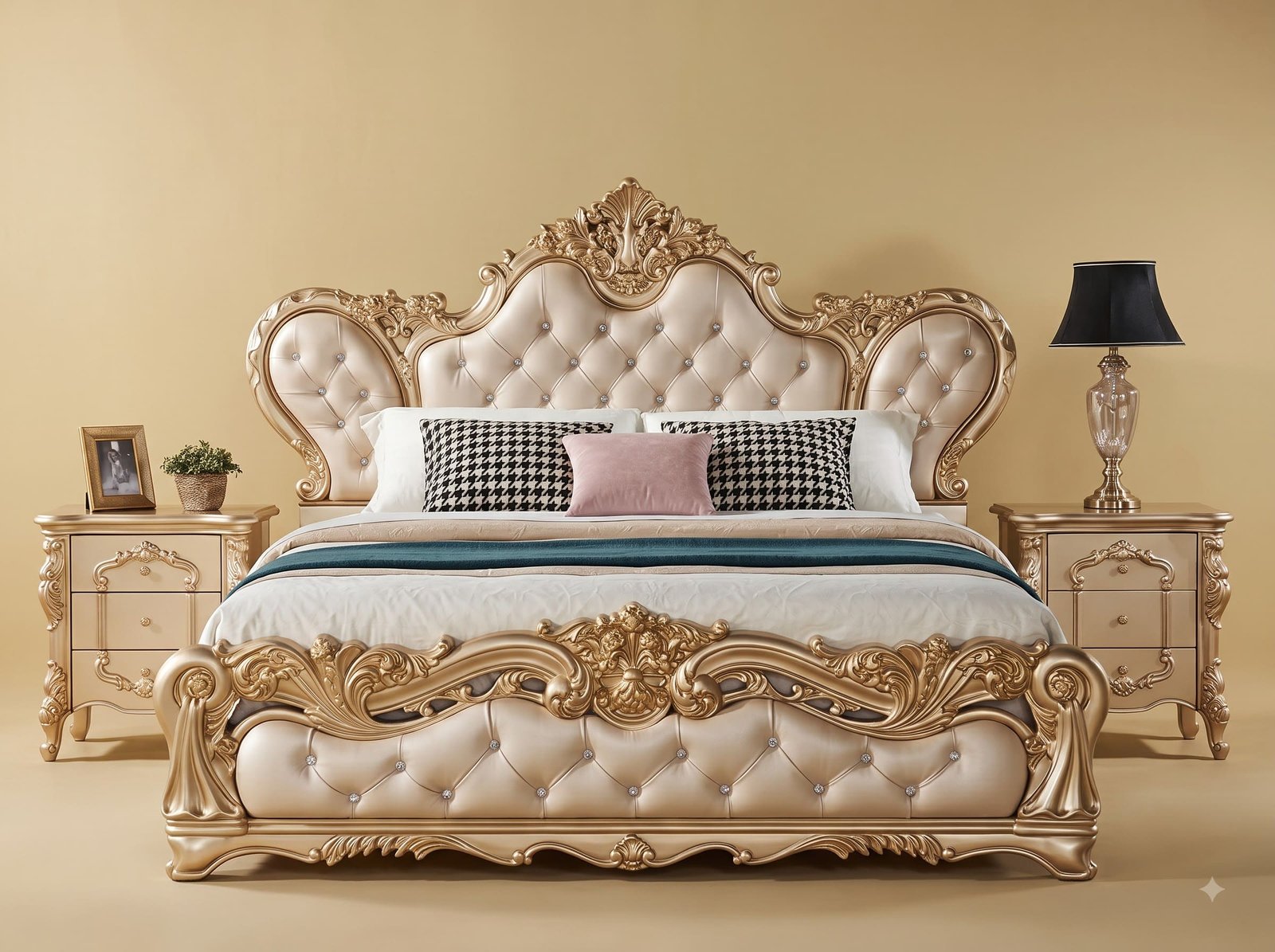
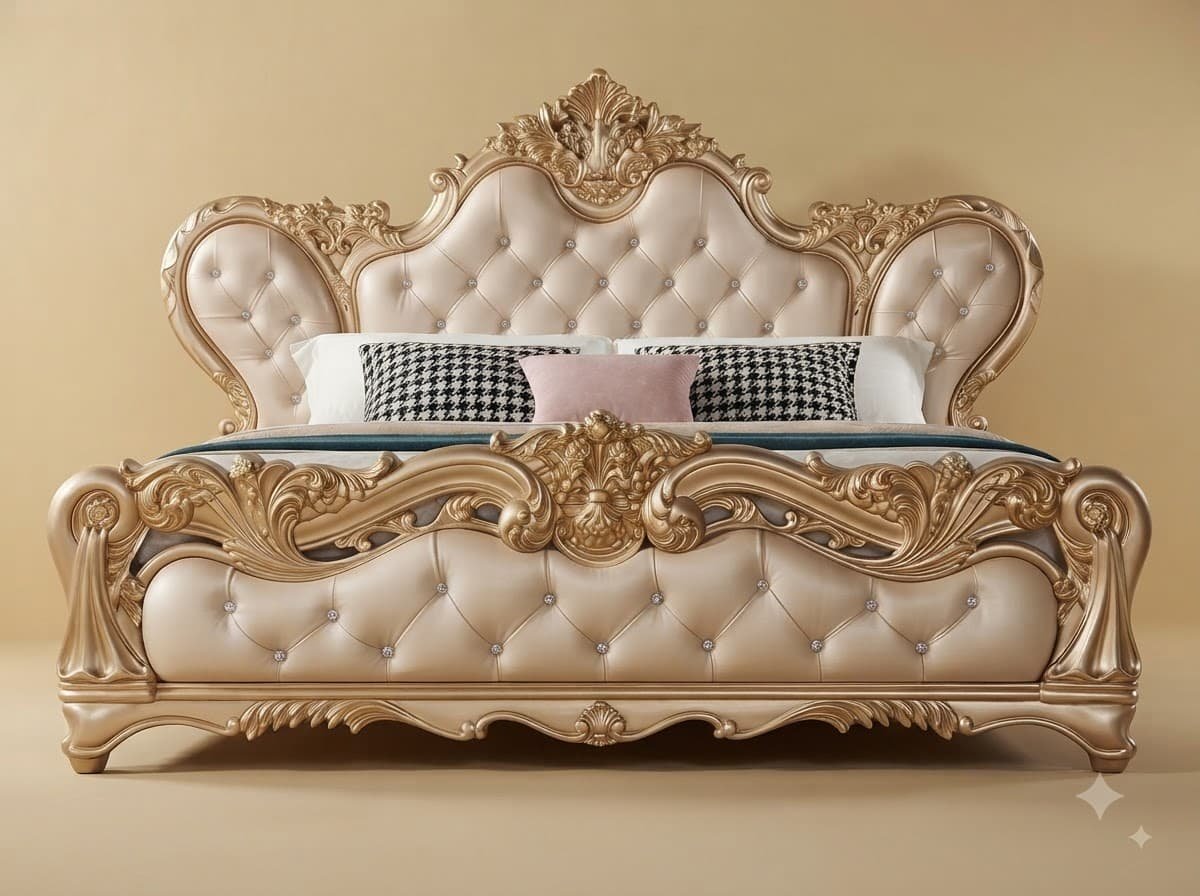
The wing chair was invented for a practical reason: to trap heat from a fire and keep draughts off the sides of a sitter's head. The shape survived long after the problem did, because people found that being enclosed on three sides simply feels better. This bed applies the same geometry at a much larger scale. The two side panels are angled forward rather than sitting flush, so at pillow height you are inside the headboard rather than in front of it. In a large master bedroom, where a bed against a long wall can feel marooned, that enclosure is the difference between a bed that anchors the room and one that floats in it.
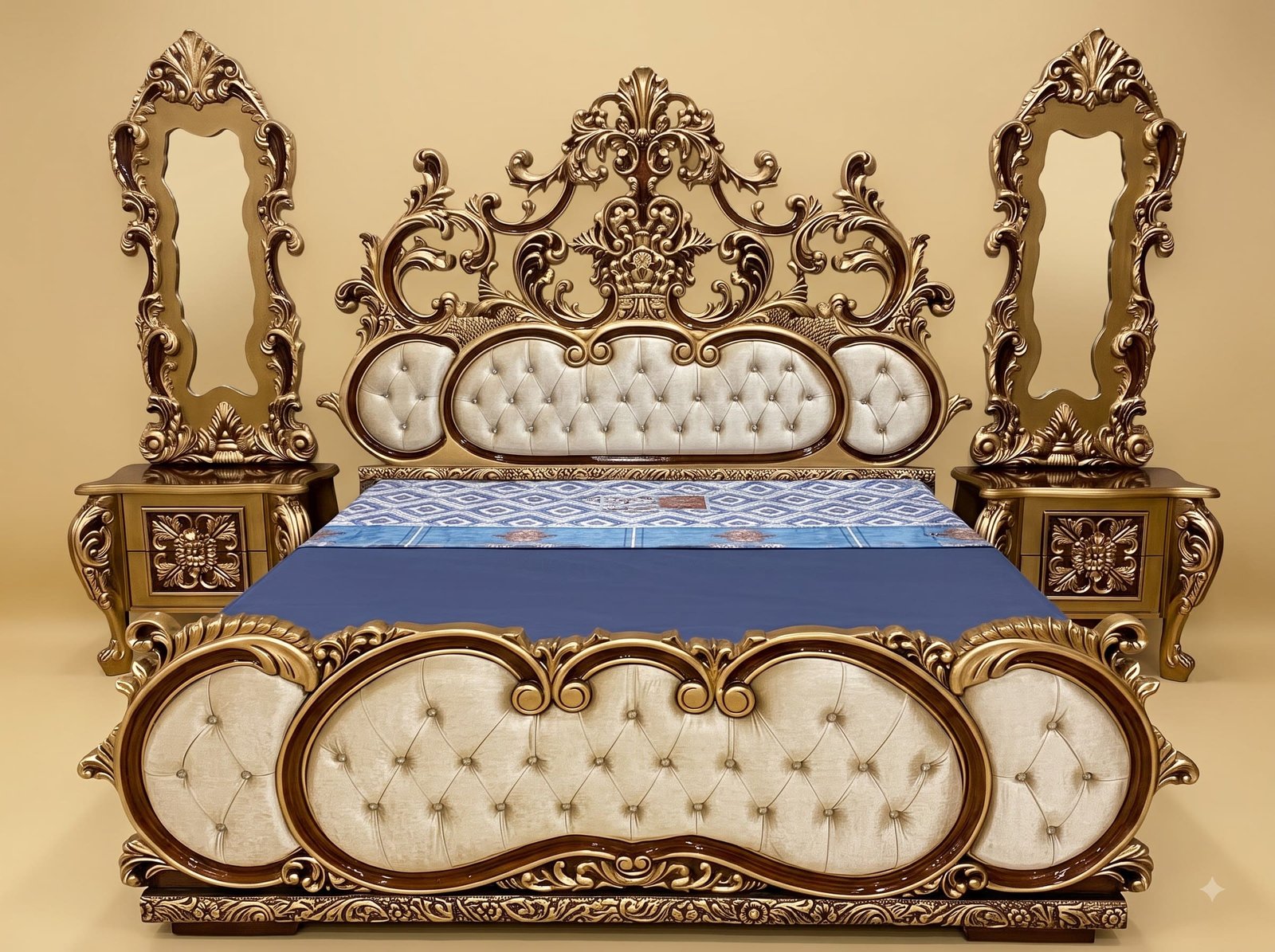
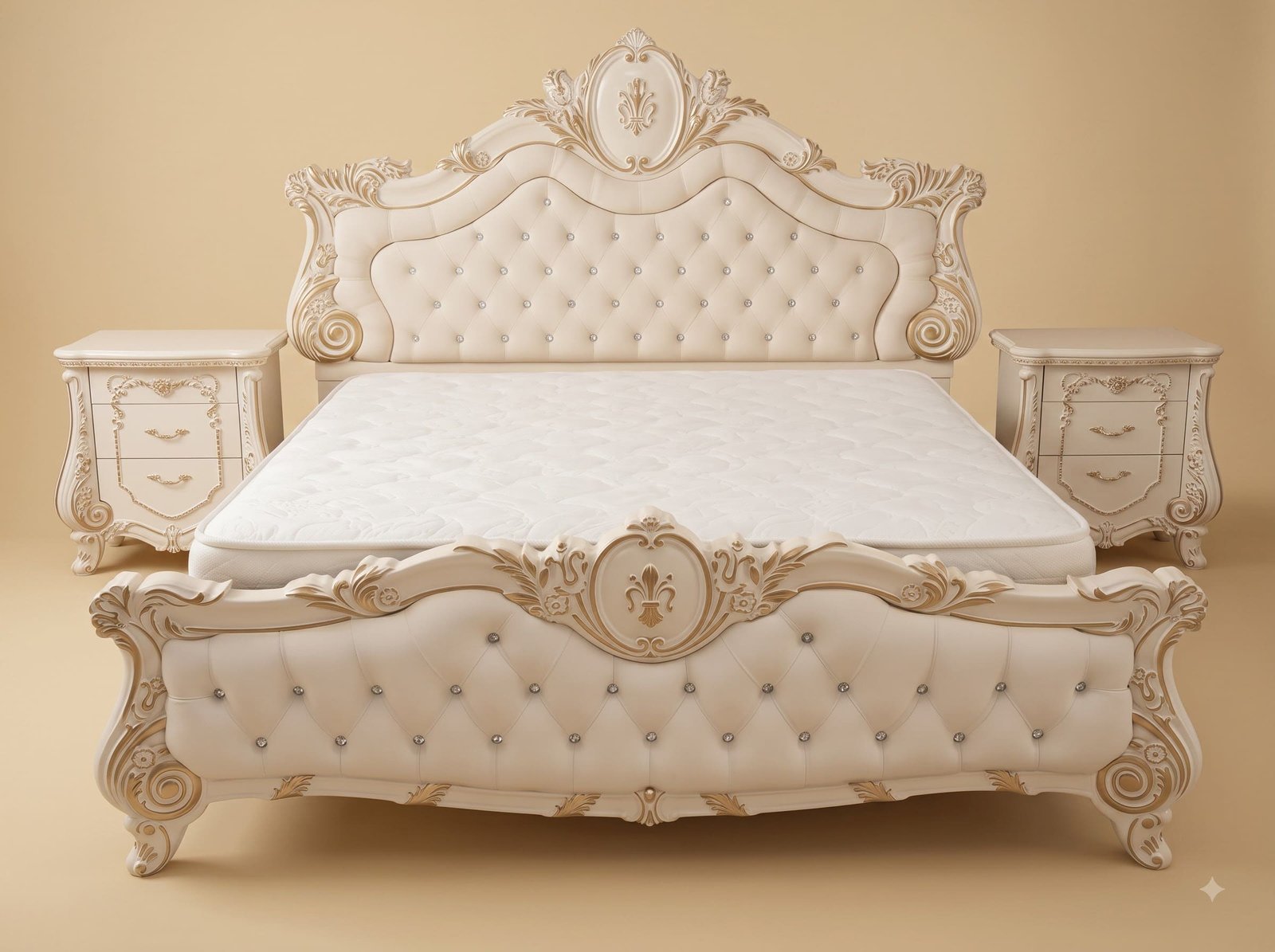
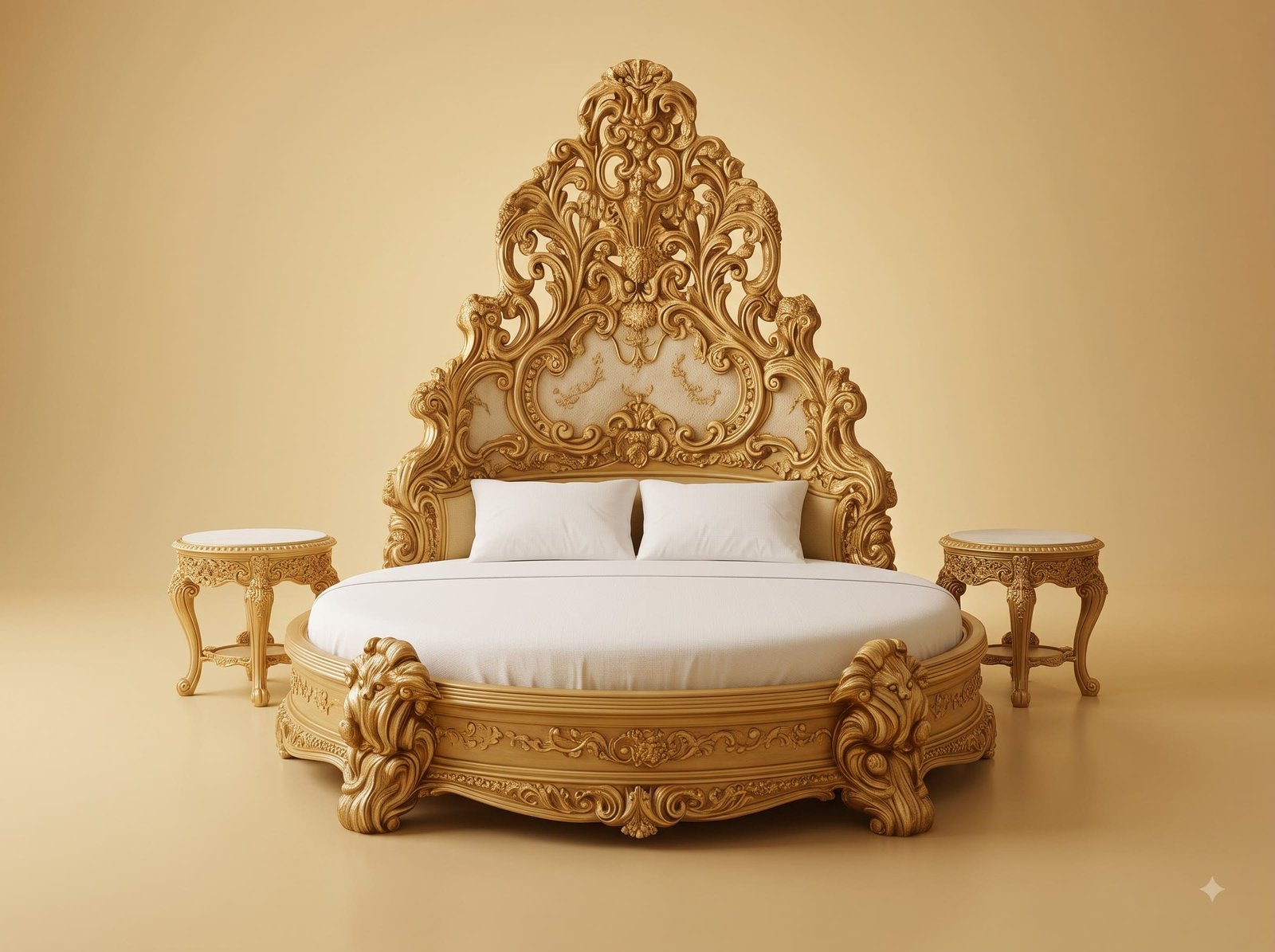
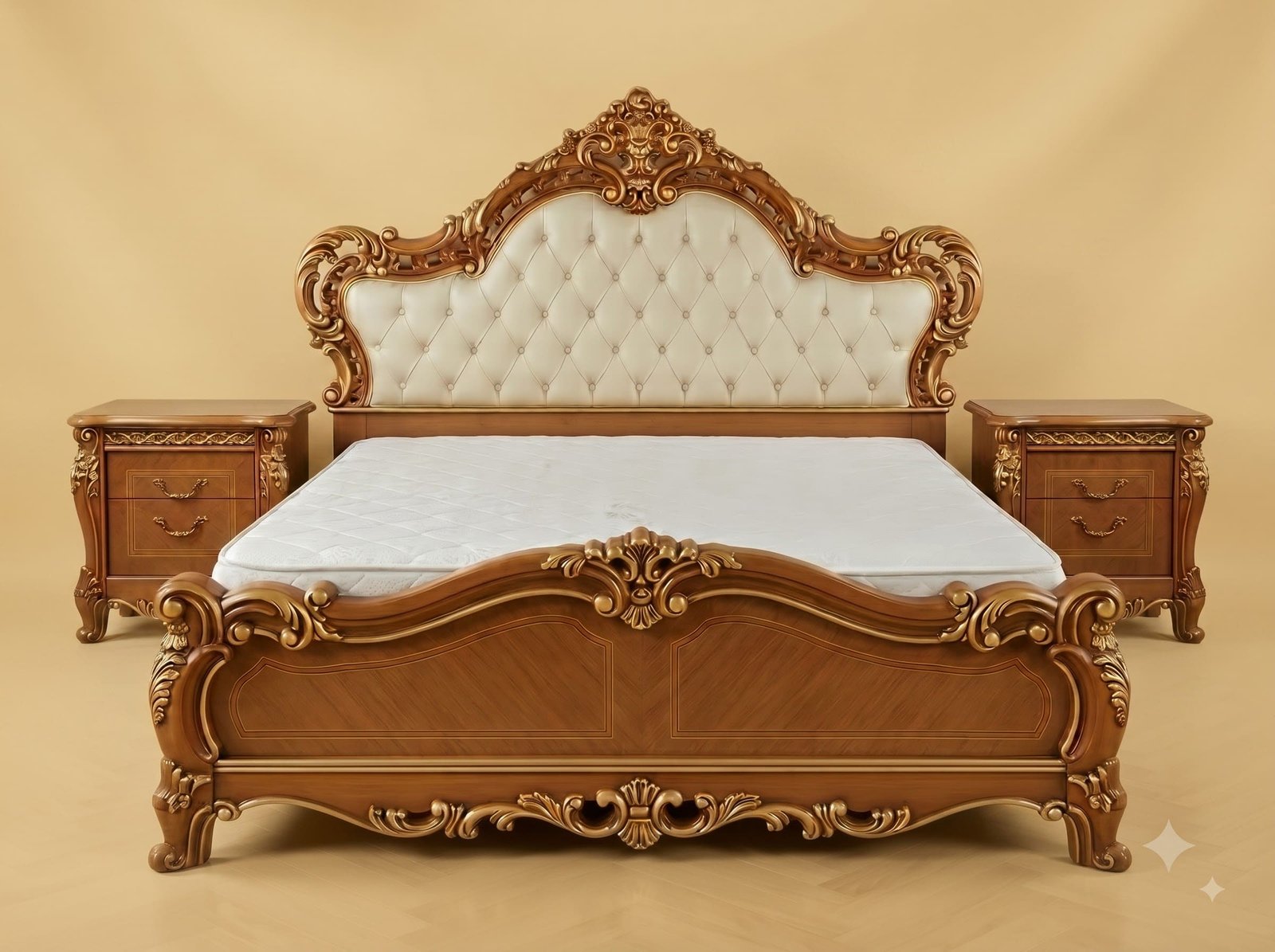
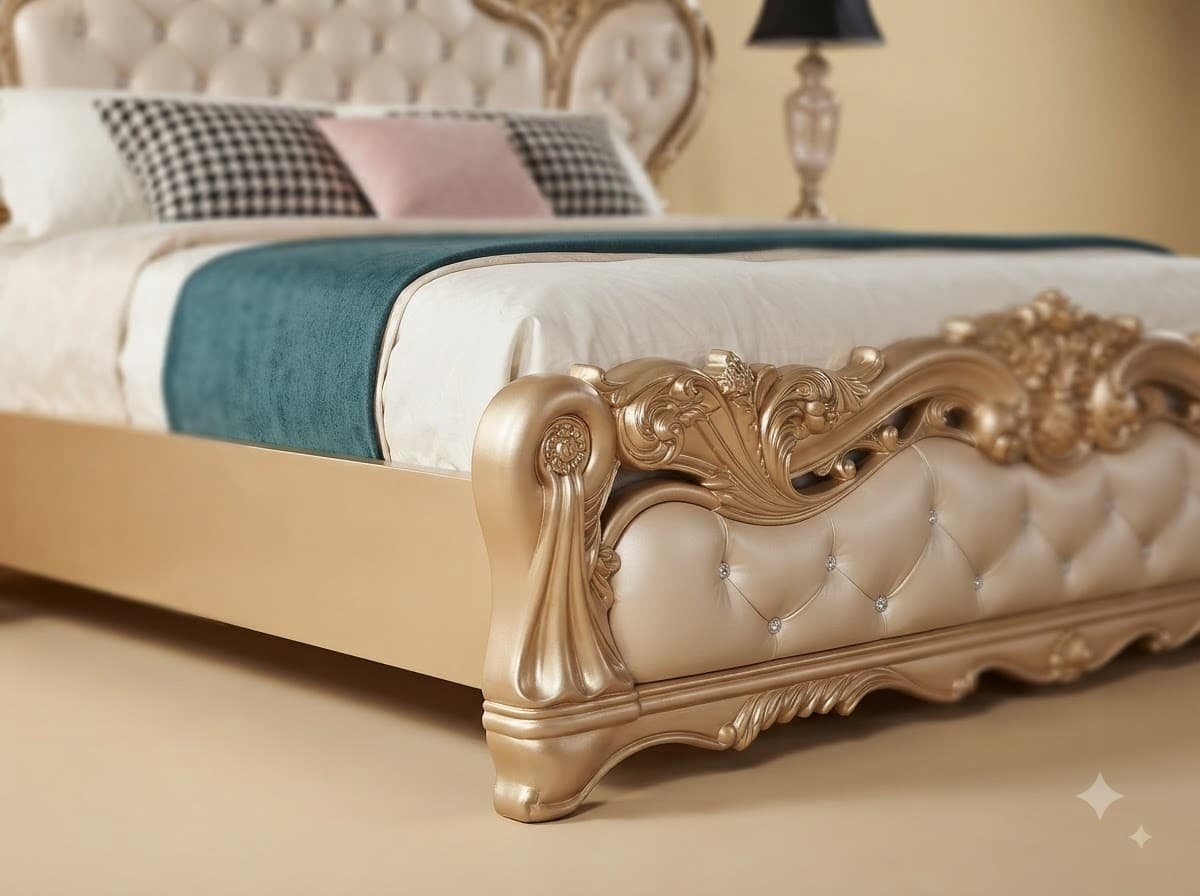
The footboard band is the other piece of real work. Pierced carving across the full width of a king bed means cutting through solid teak while keeping every narrow bridge of wood between the voids intact, over a span where a single split ruins the entire component and the carver starts again. It is done by hand by master Indian artisans, in one piece rather than assembled from sections, which is why the scrollwork flows continuously across the width instead of stopping and restarting at a join. The photographs on this page are of the actual bed, not a rendering.
 Ask Price On WhatsApp