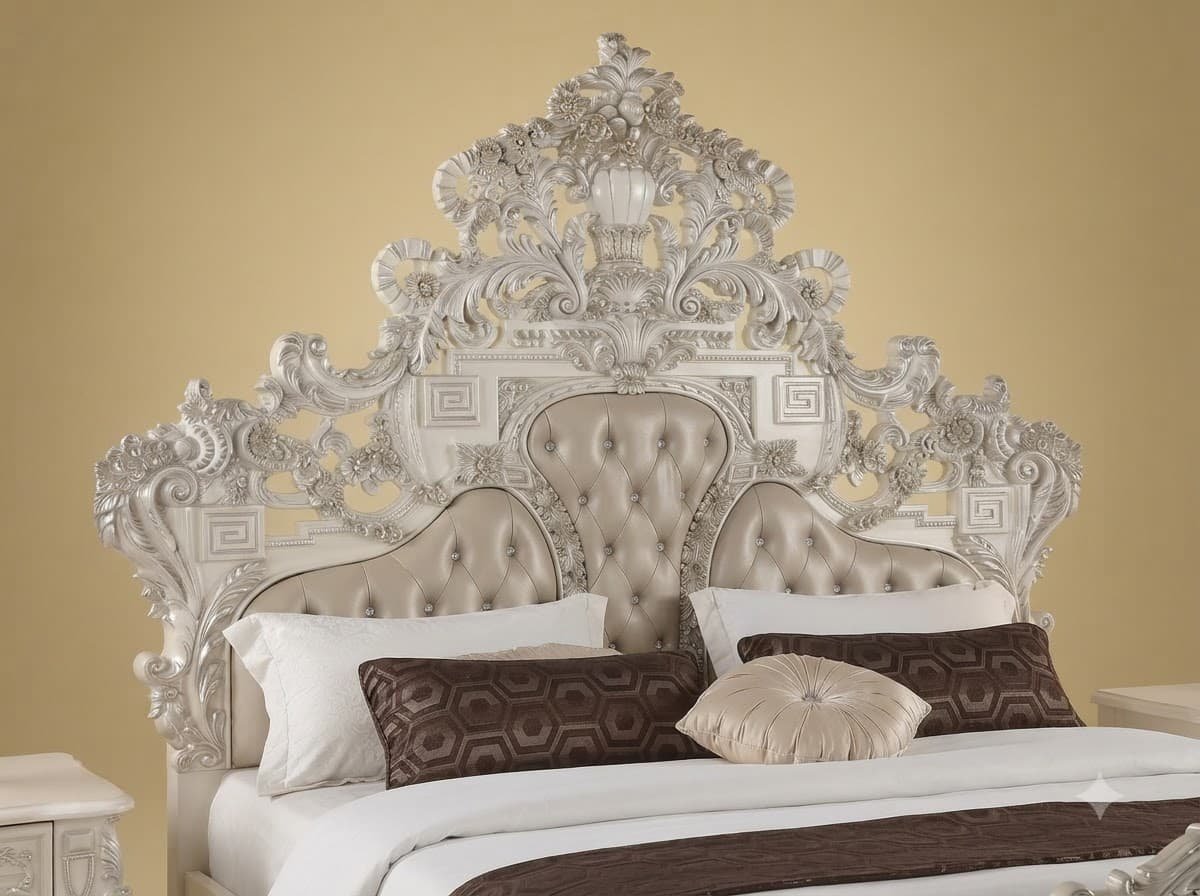
Greek Key Against Rococo Scrolls
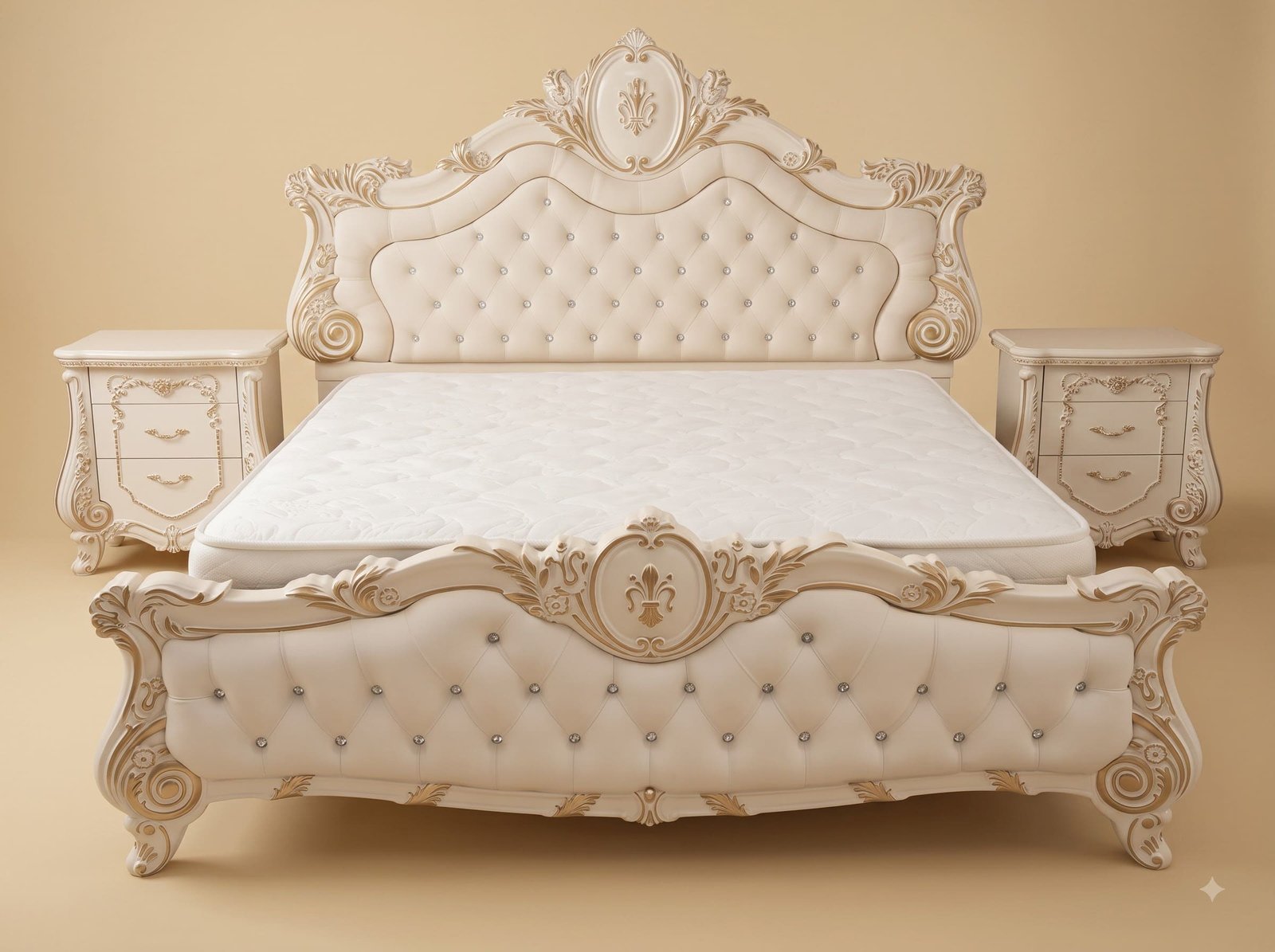
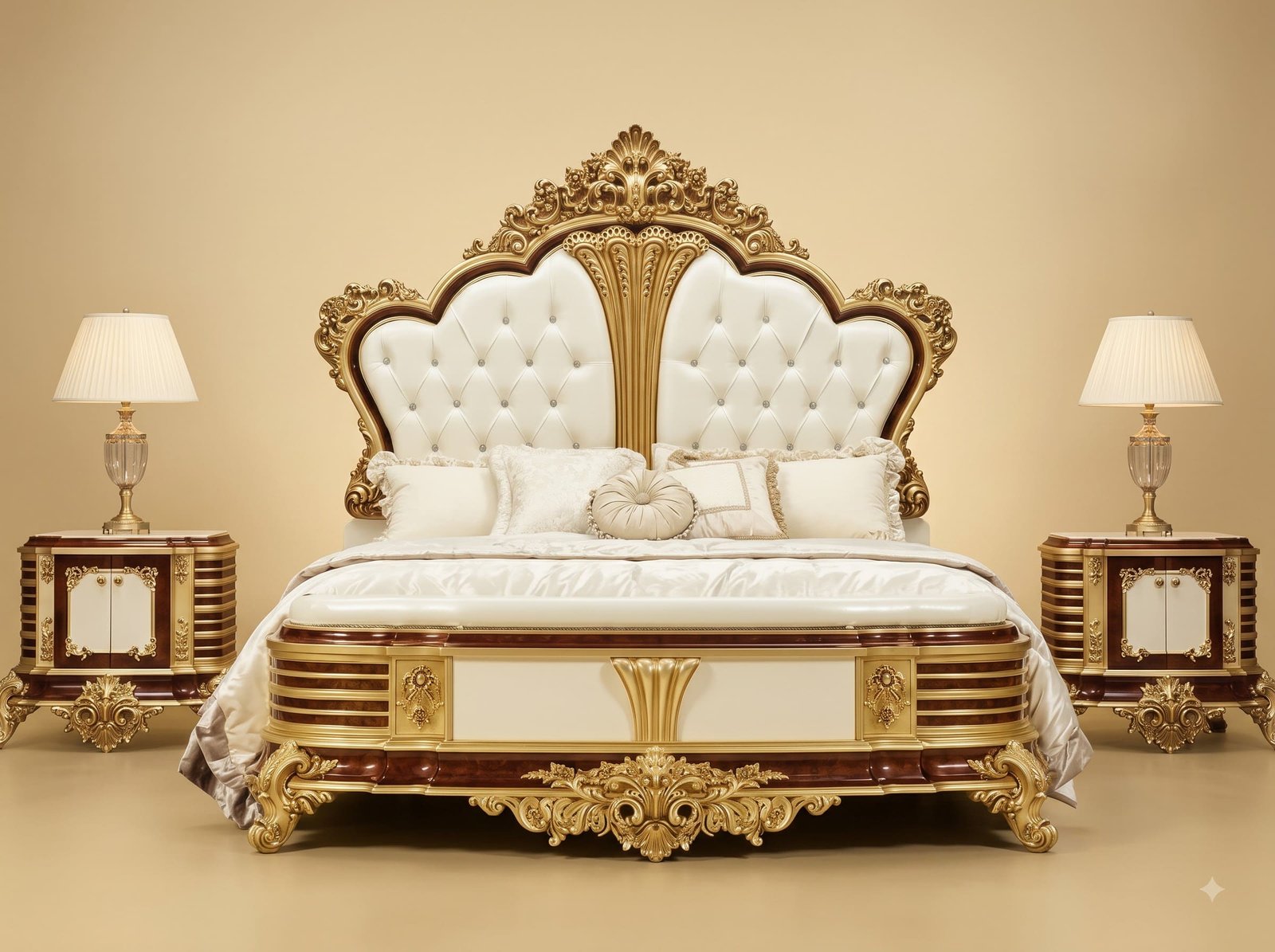
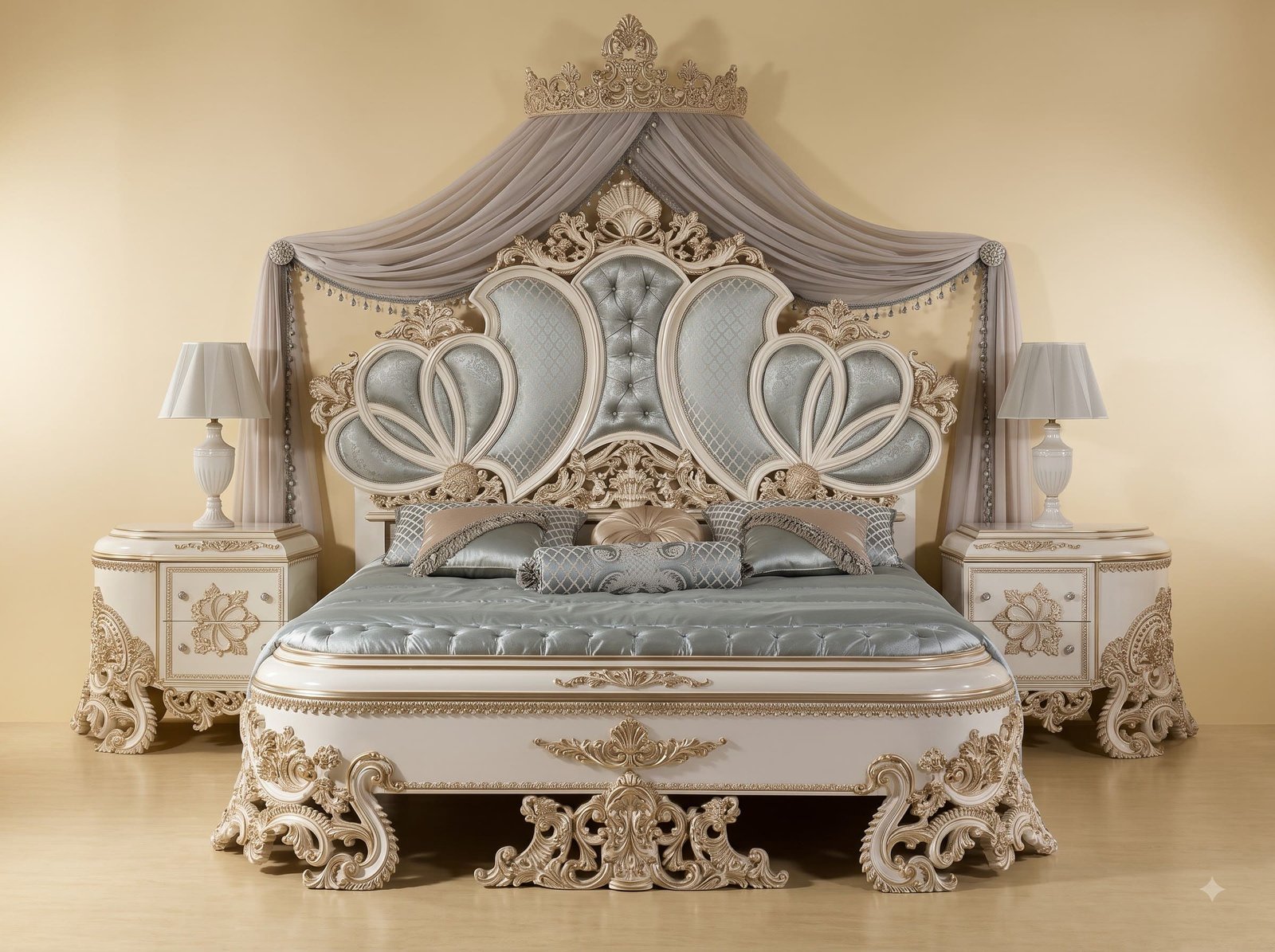
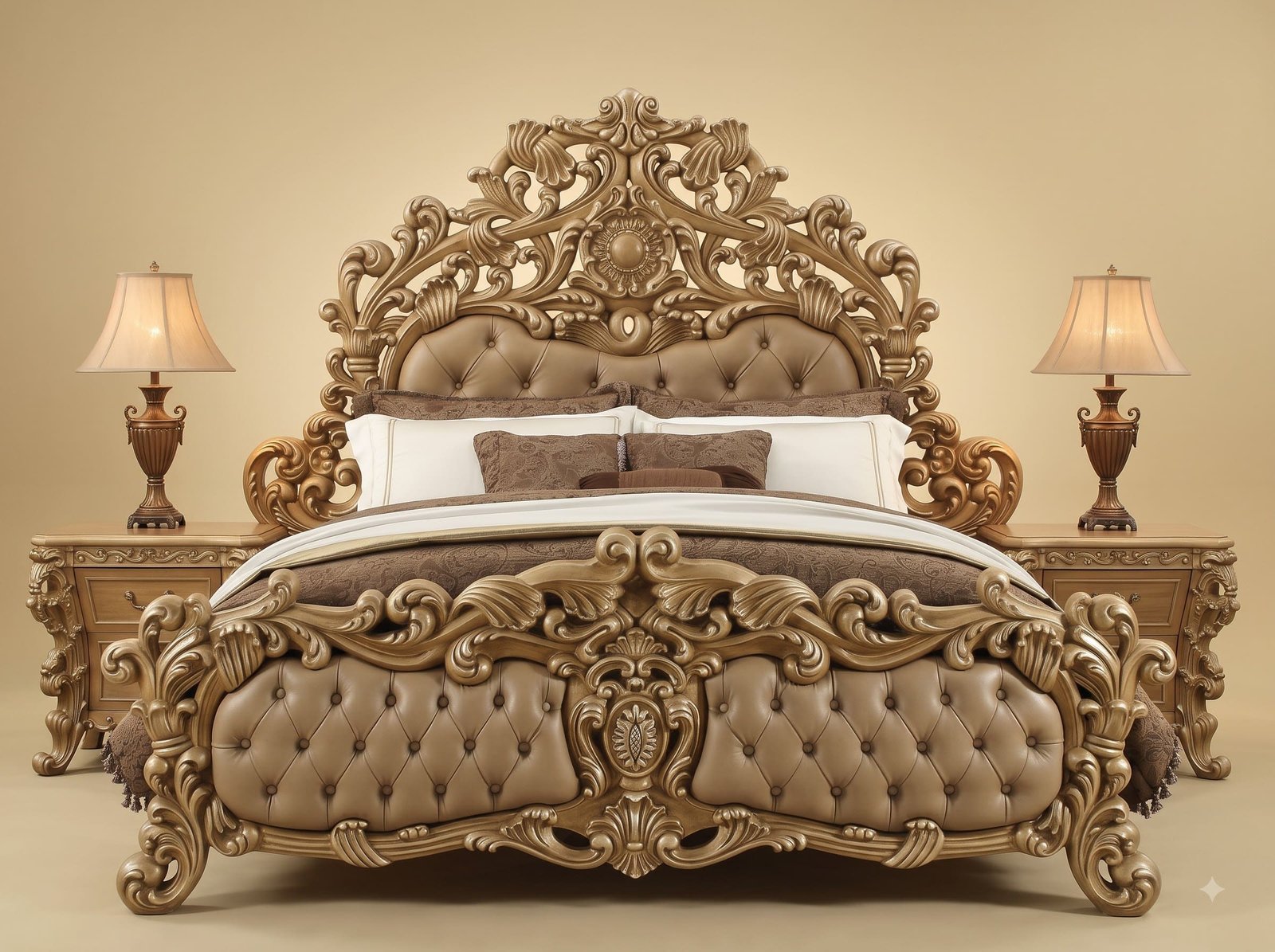
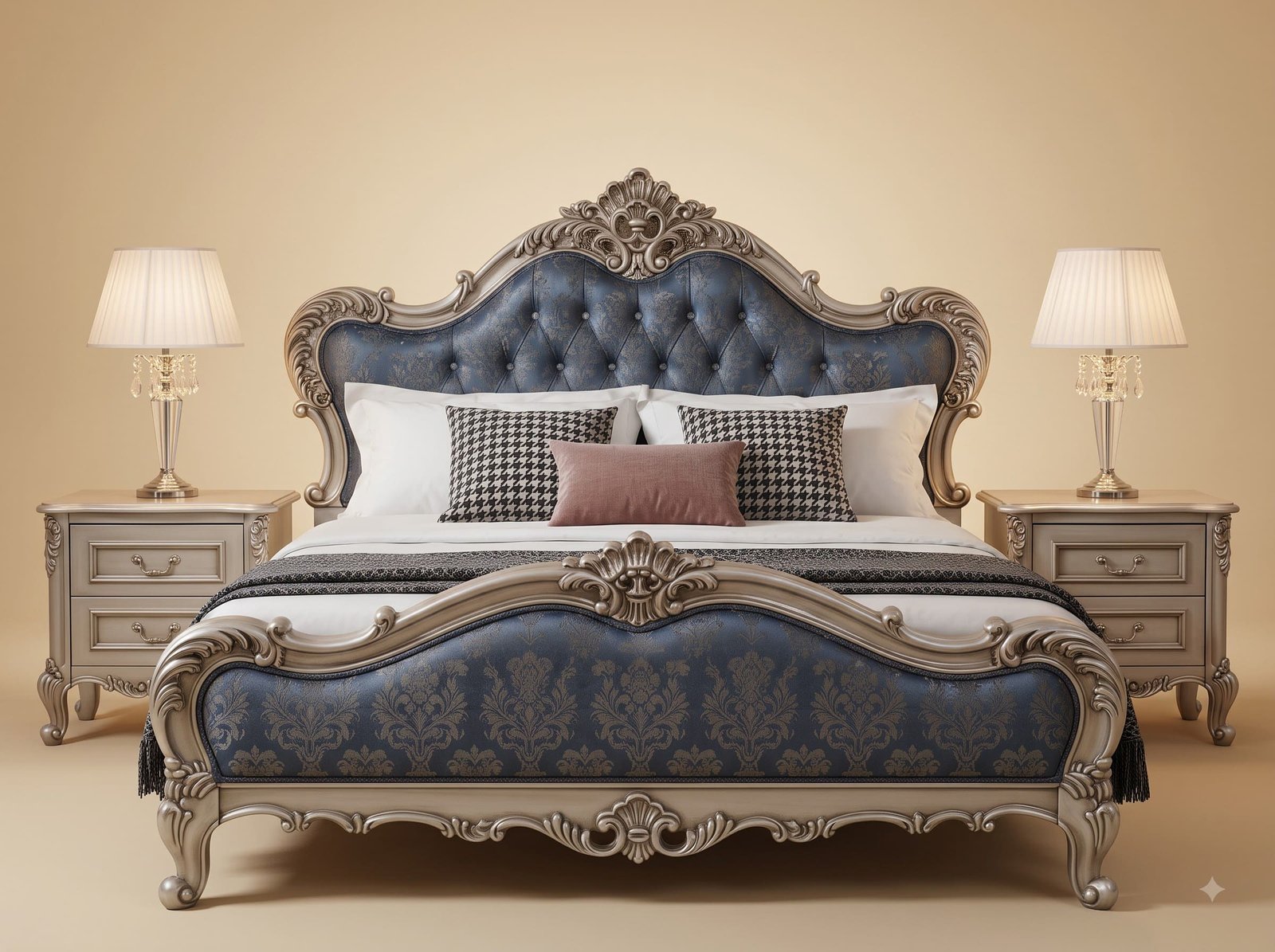
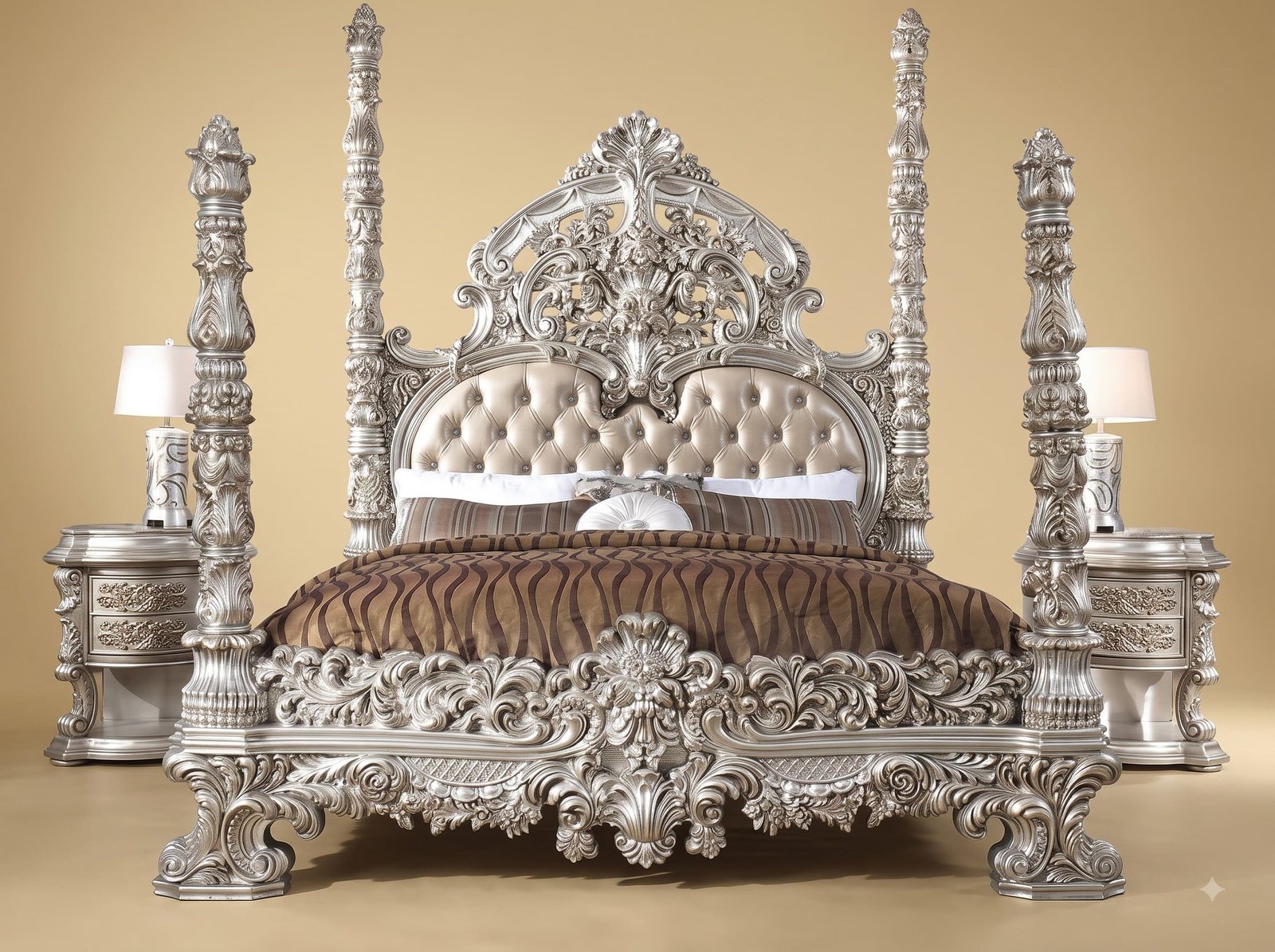
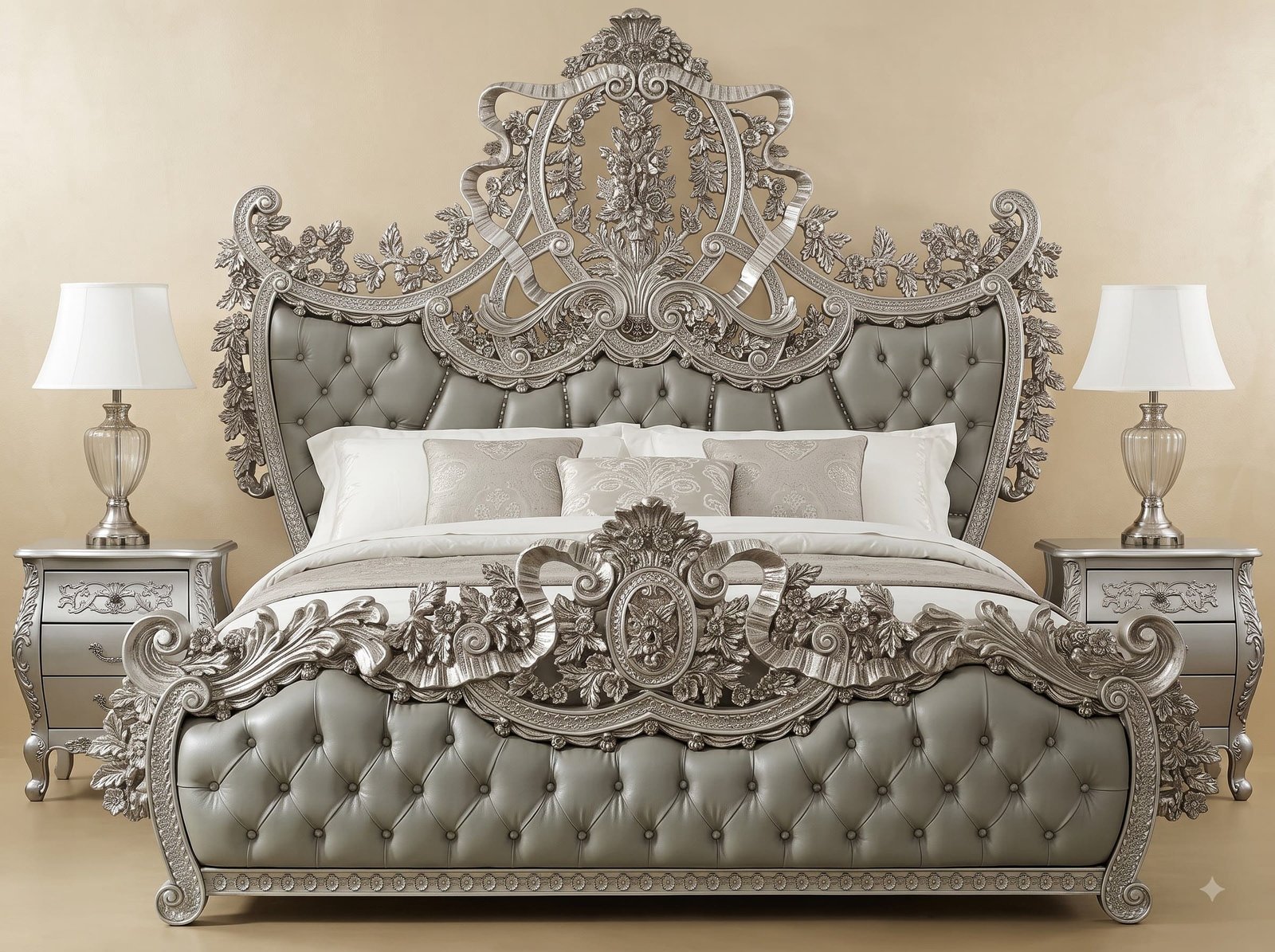
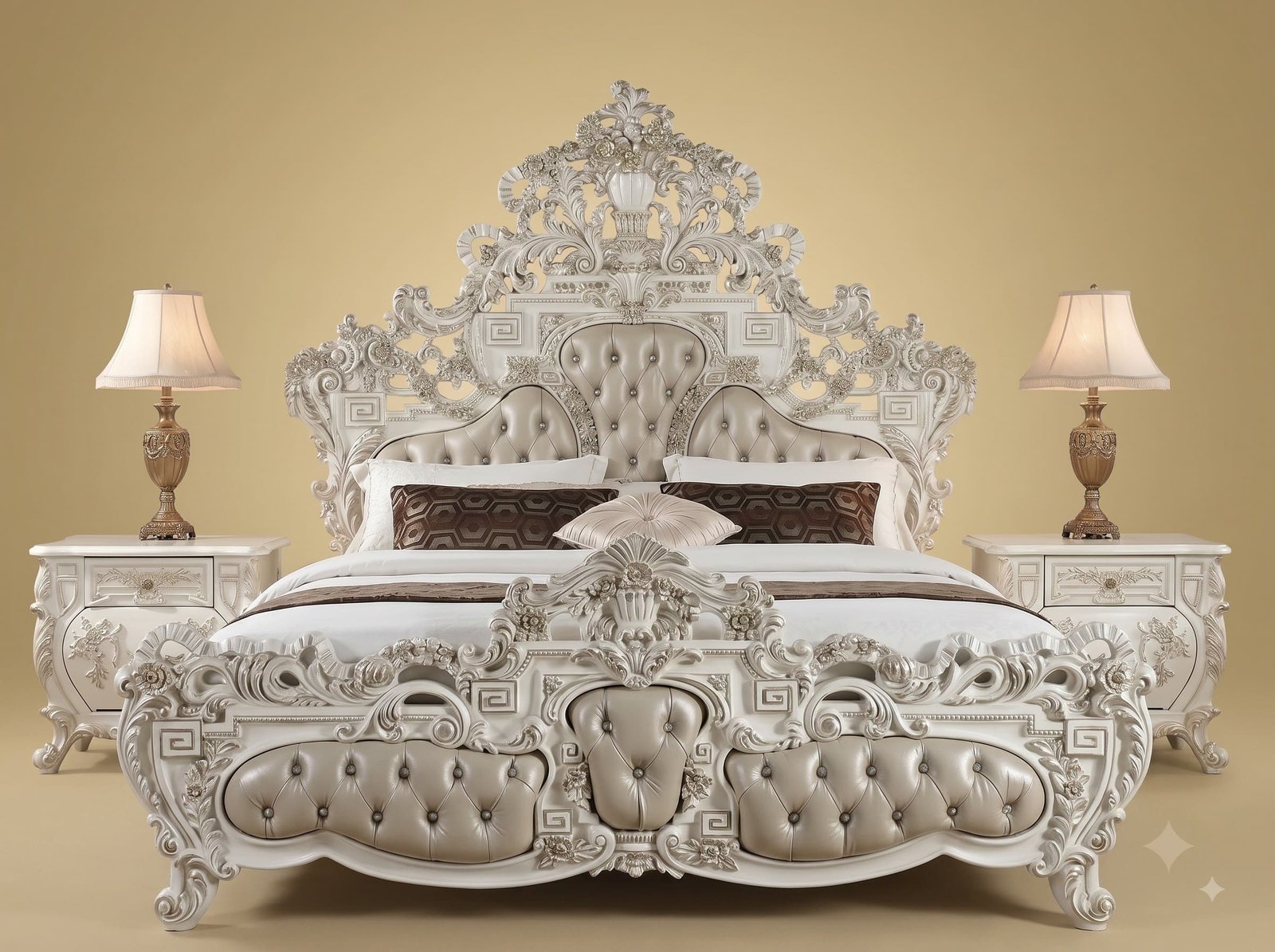
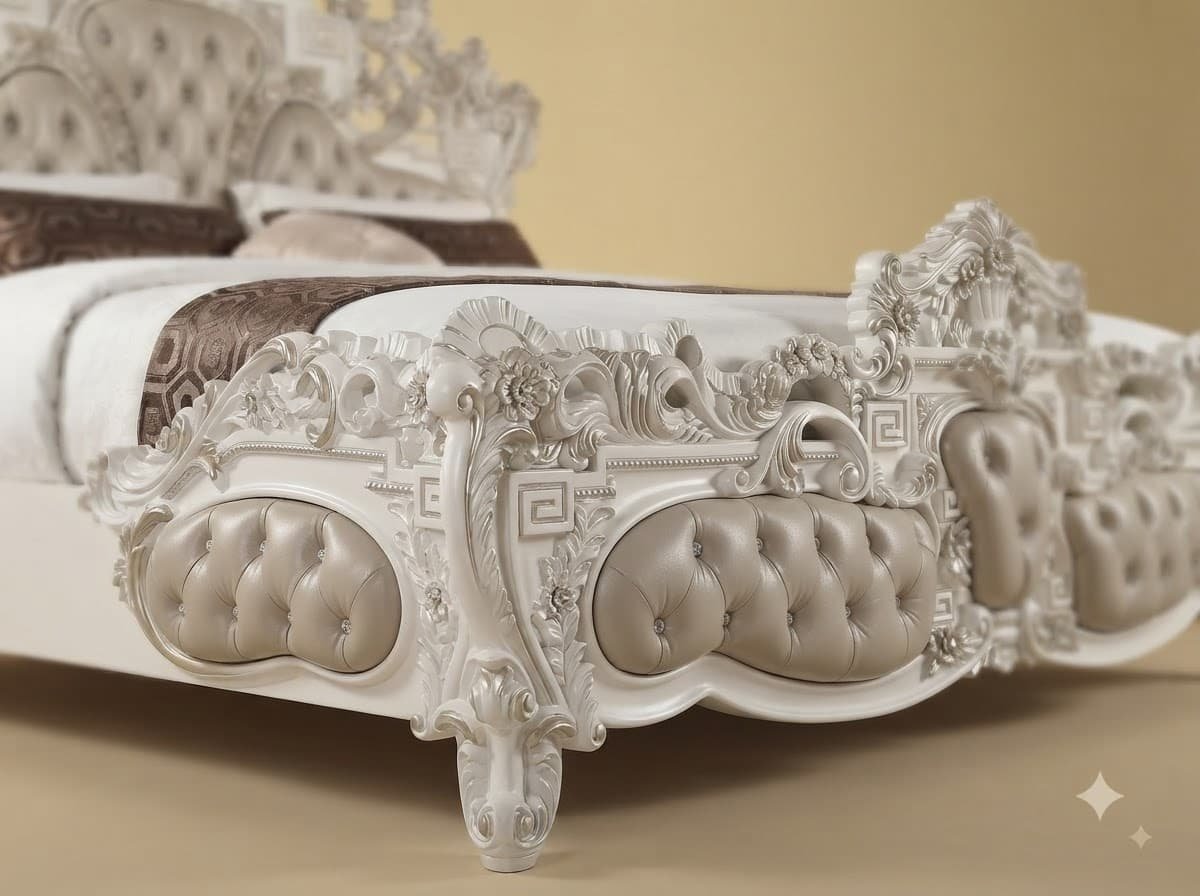
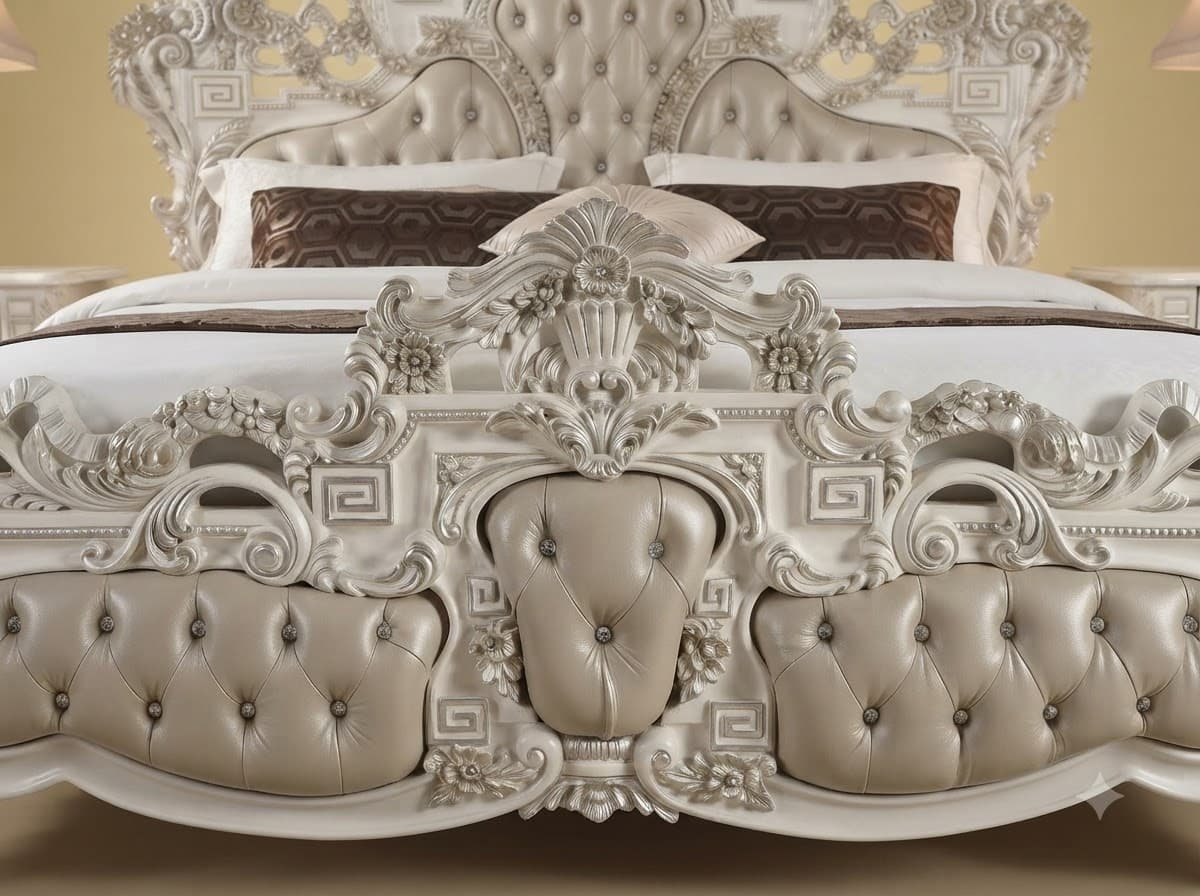
The meander, or Greek key, is one of the oldest repeating ornaments in existence and it is entirely geometric: right angles, fixed intervals, no movement. Rococo carving is its opposite, built on asymmetric curves and foliage that never repeats exactly. Combining them on one piece of furniture is unusual for good reason, since done carelessly it looks like two designs that arrived by accident. The rule applied here is territorial. Fretwork occupies only the flat bands, on the headboard uprights and across the footboard rails, where a geometric repeat can run cleanly. Everything shaped or curved, the crest, the cartouches, the volutes at the corners, is left to the scrollwork. Neither language is allowed onto the other one's surface.
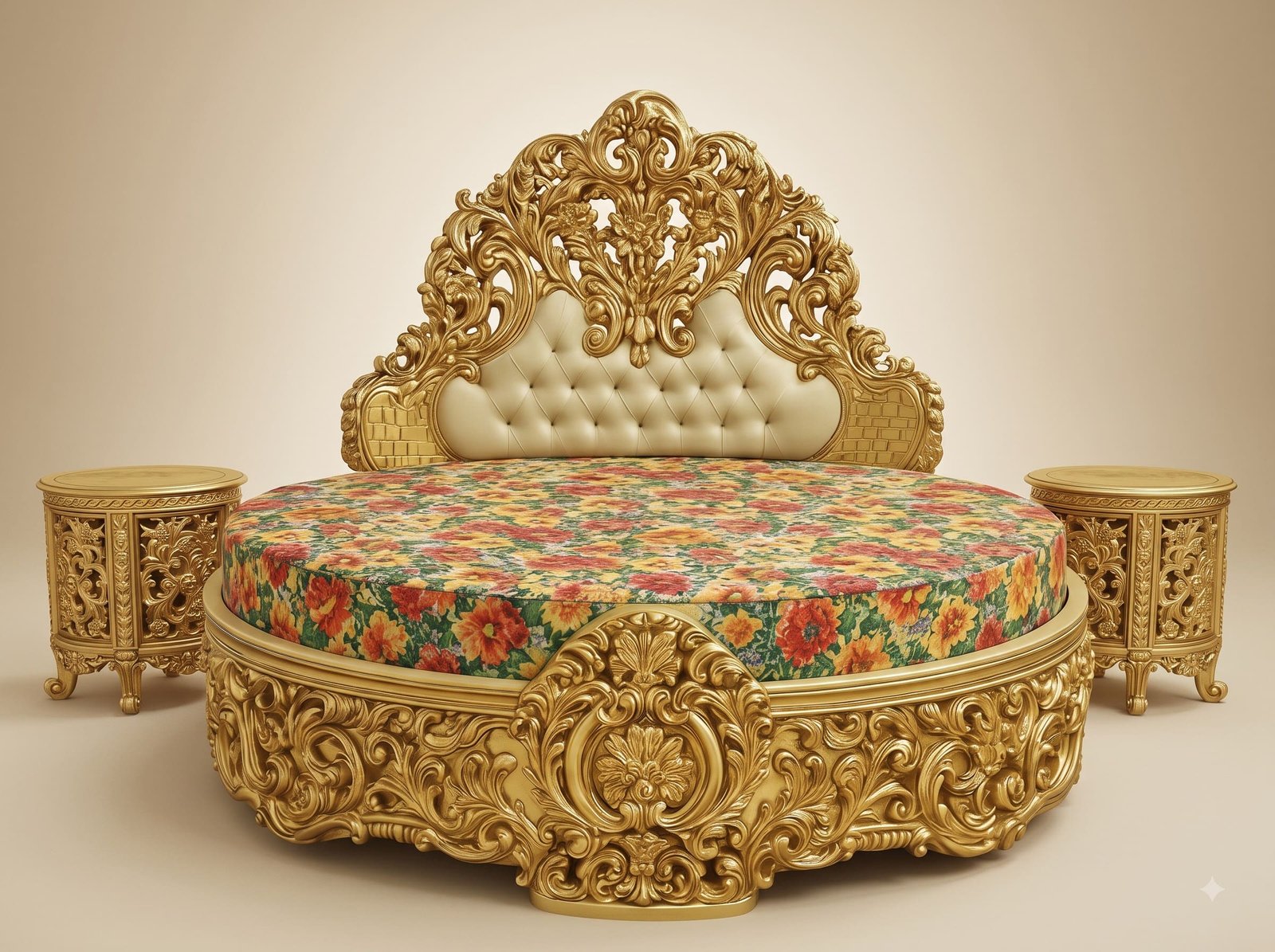
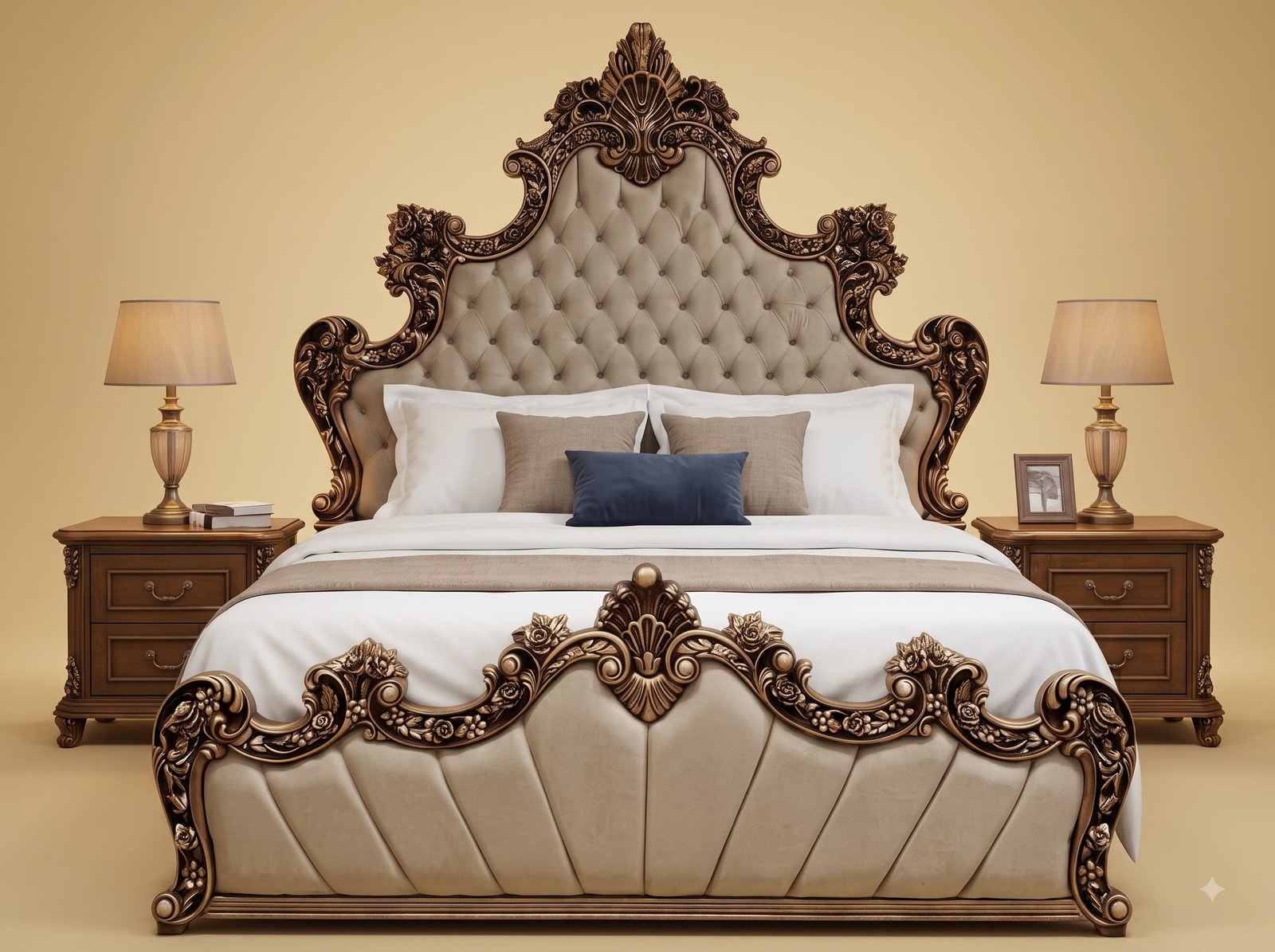
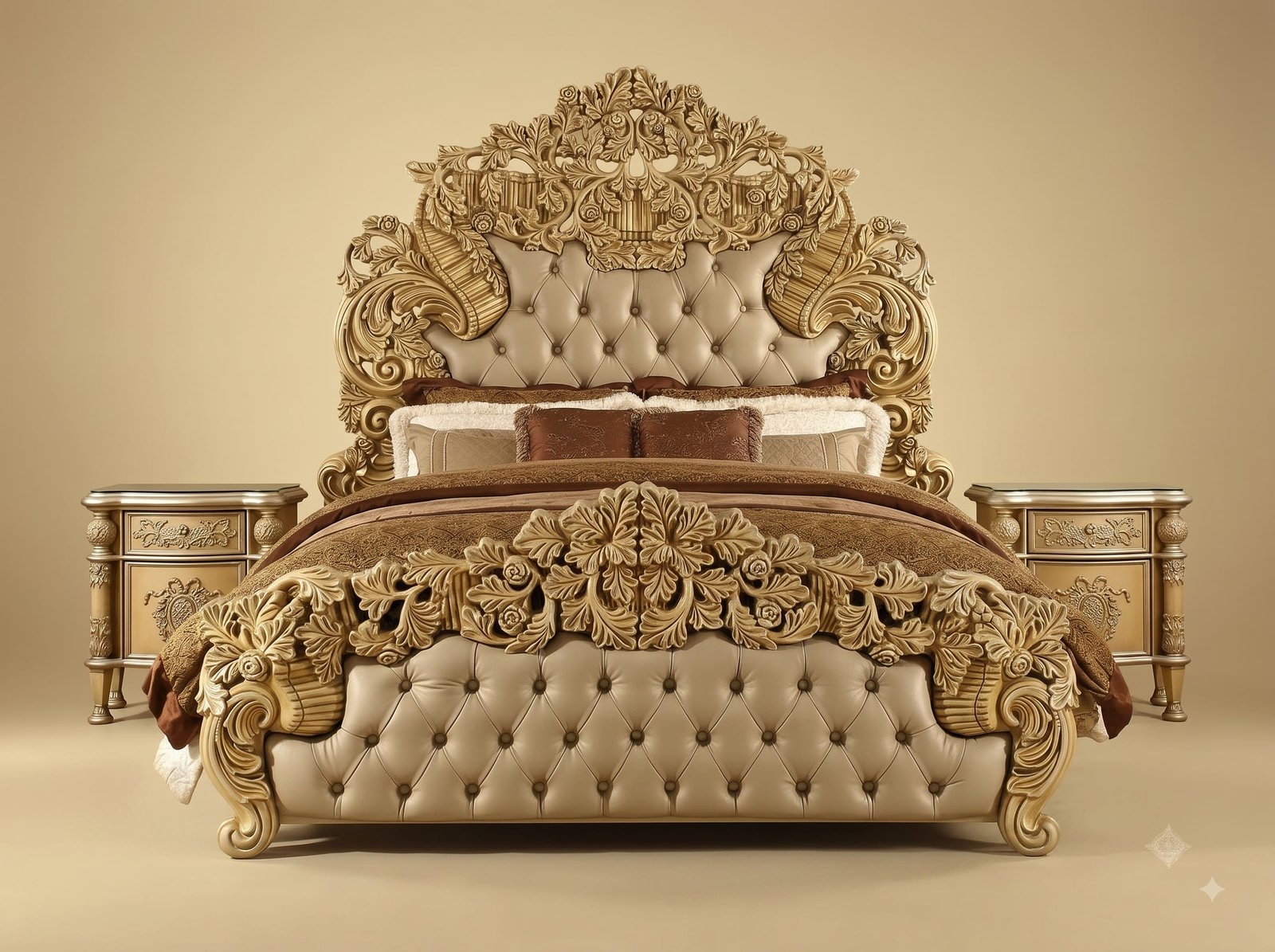
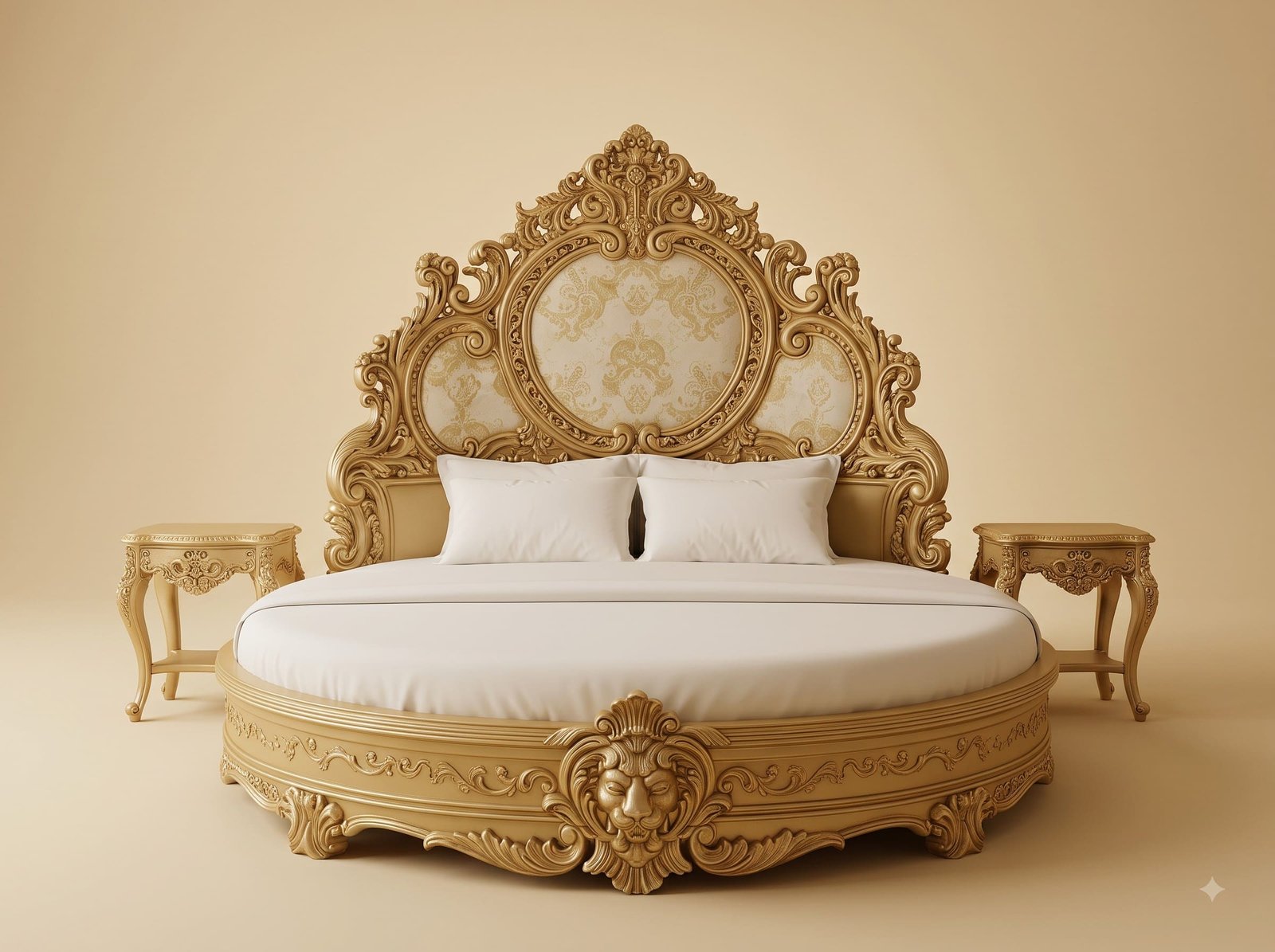
The carved urn at the top of the crest is the piece that ties them together. An urn is a classical form, so it belongs to the same world as the fretwork, but it sits at the apex of an openwork rococo crest of scrolls and rose sprays. It is also the most difficult element to carve on this bed, since it stands almost free at the top of the pierced section with very little material supporting it, and it has to be cut in the round from the same block as the scrolls flowing around it. Master Indian artisans carve, finish and upholster each of these by hand, and the images here show the actual piece.
 Ask Price On WhatsApp