Restraint on the Surface, Complication Underneath
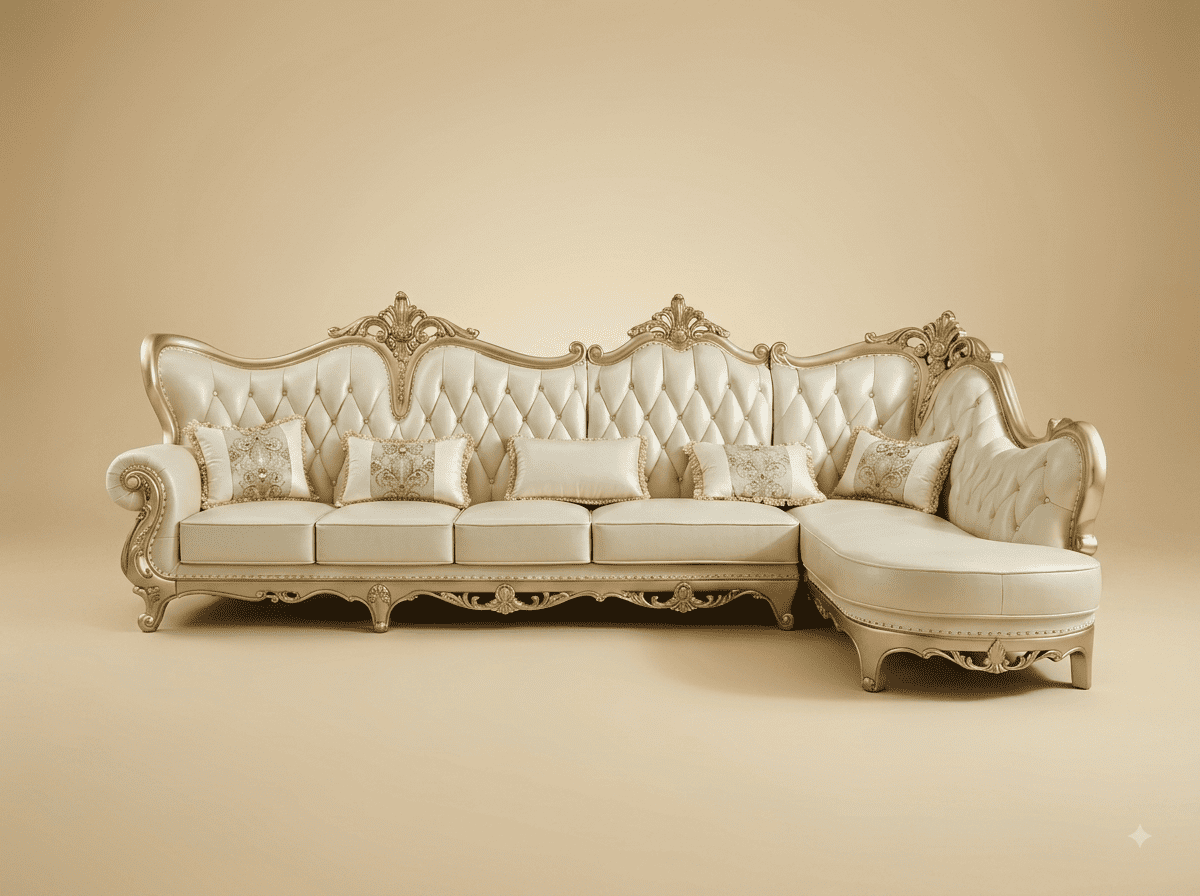
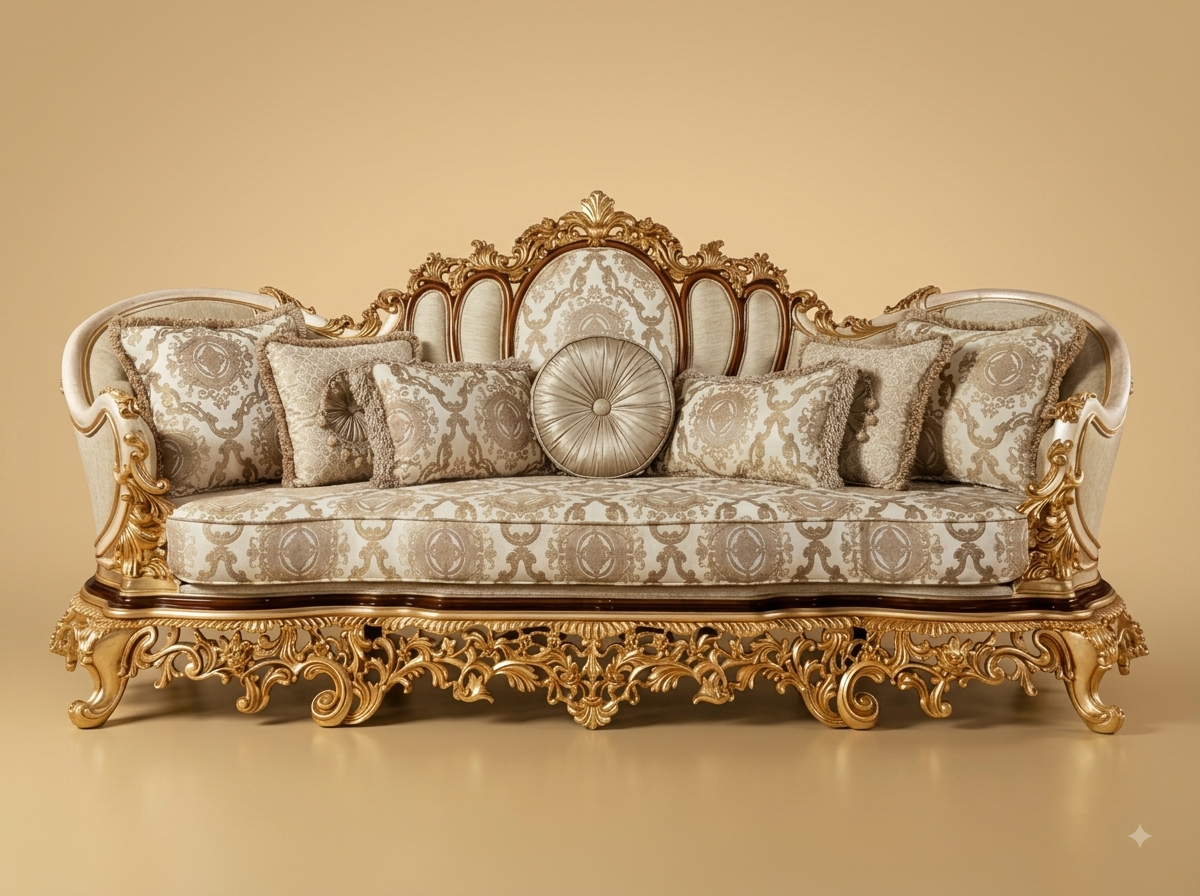
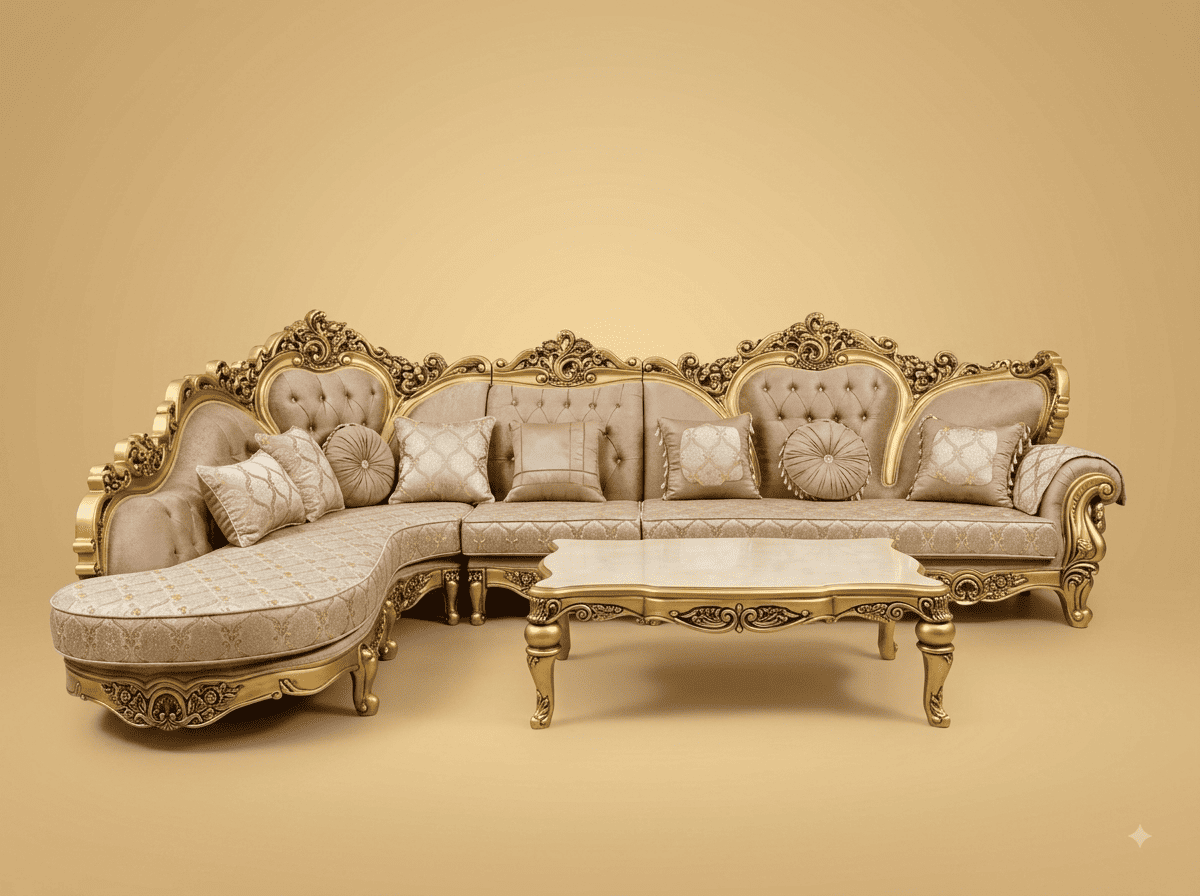
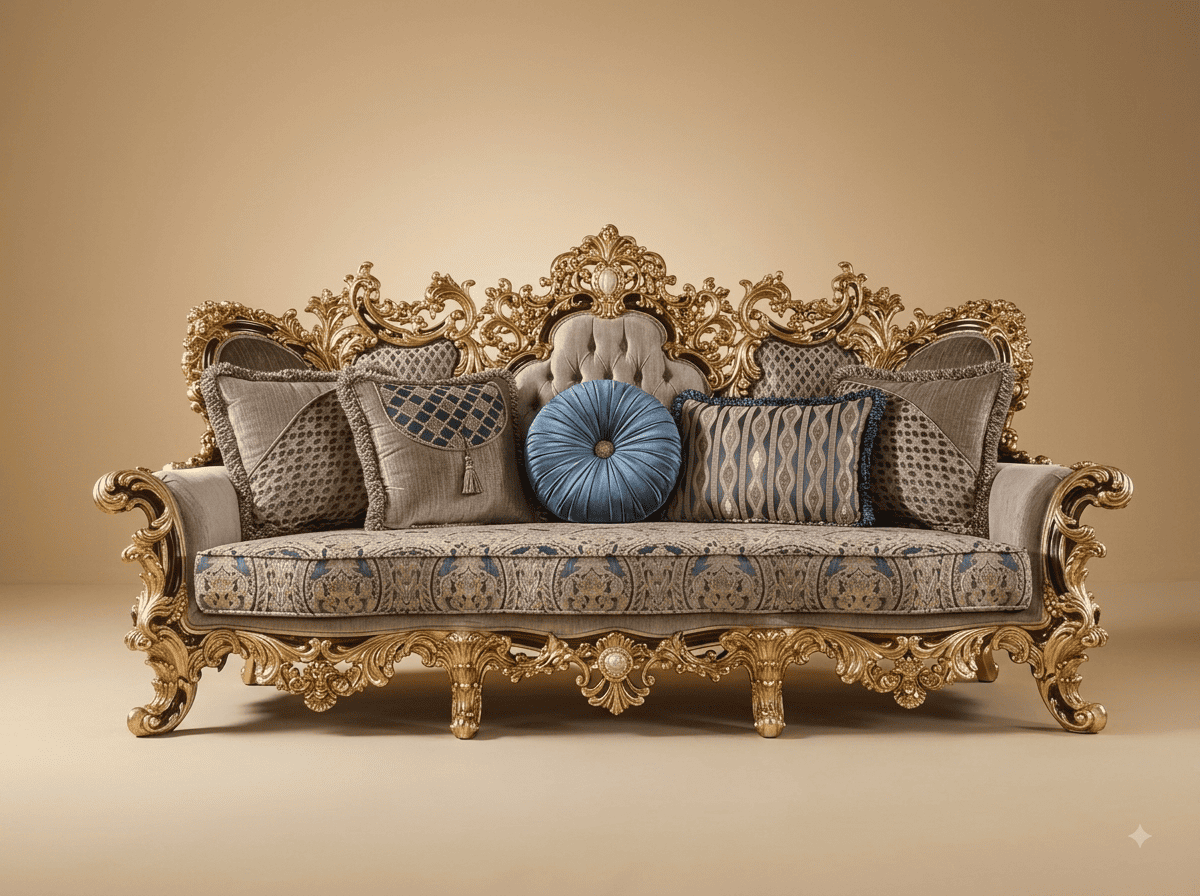
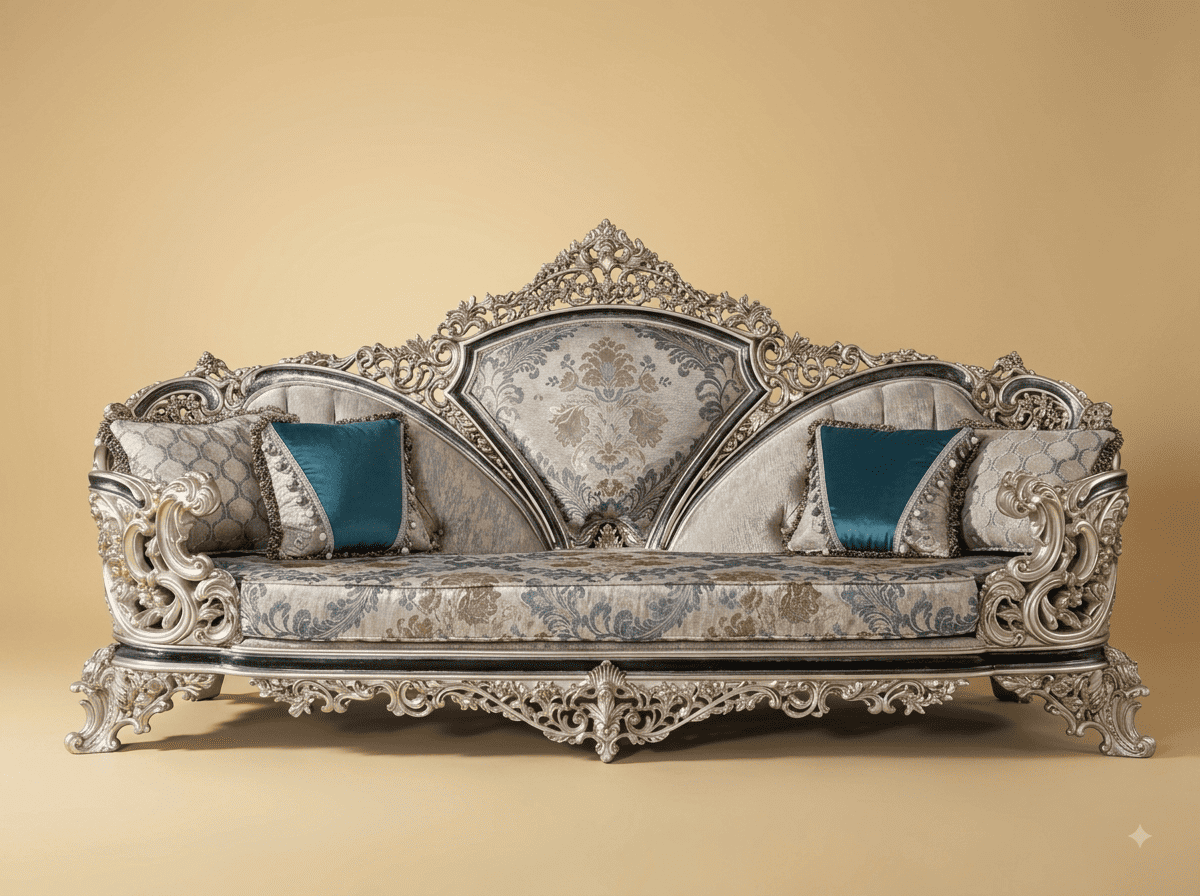
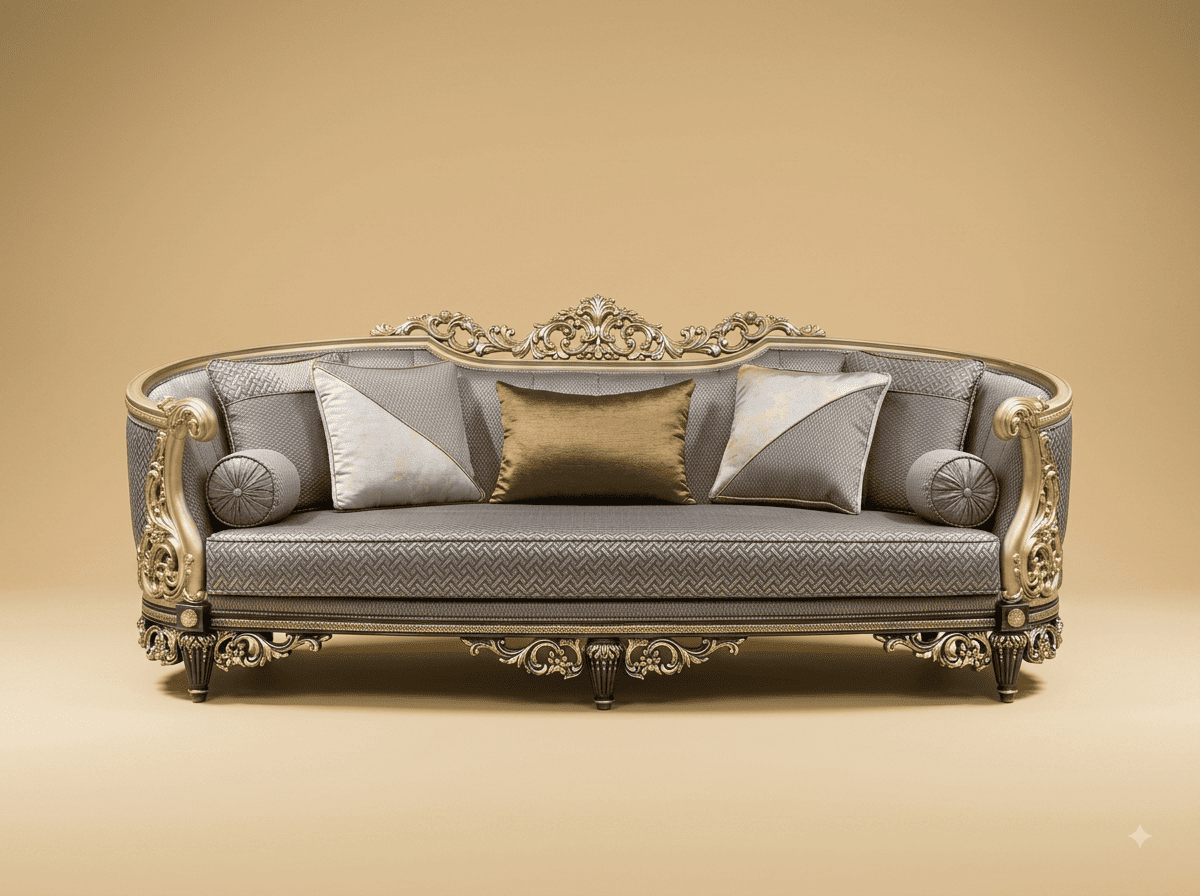
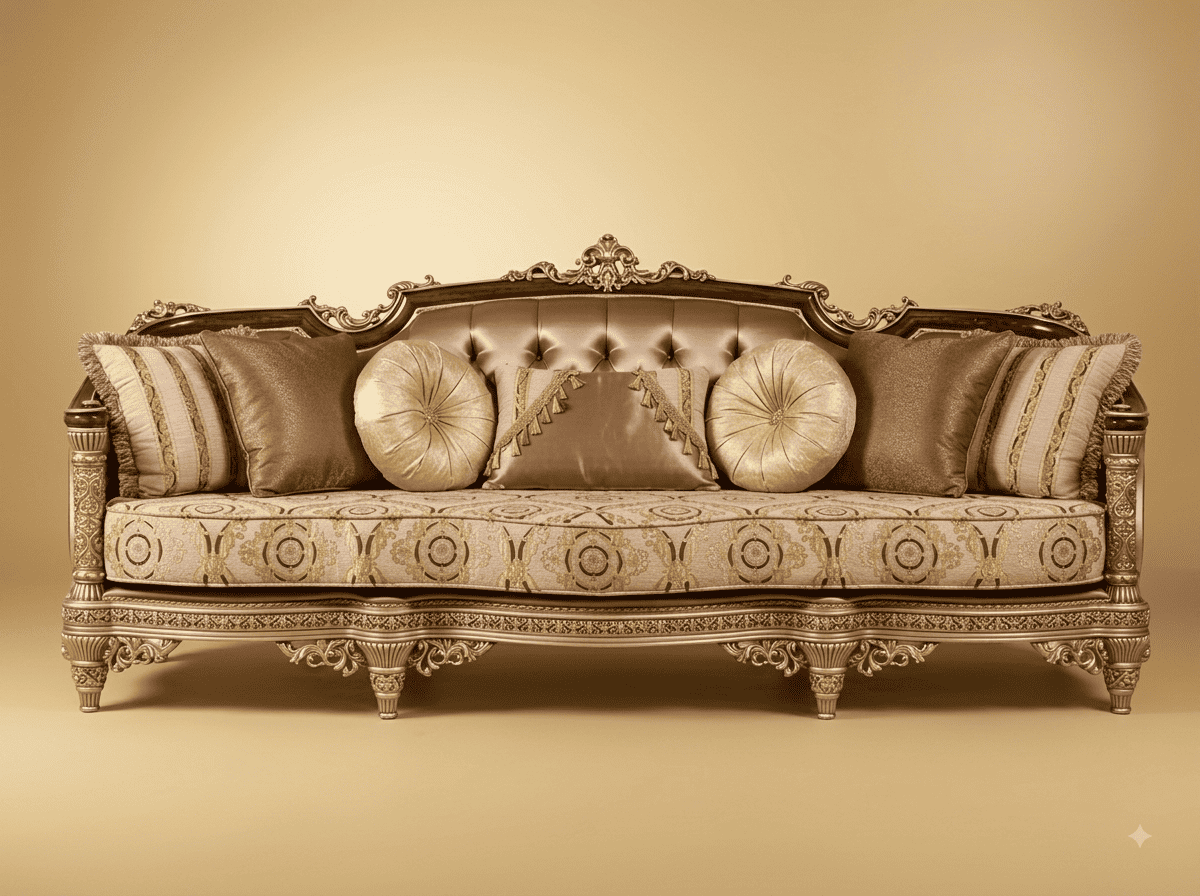
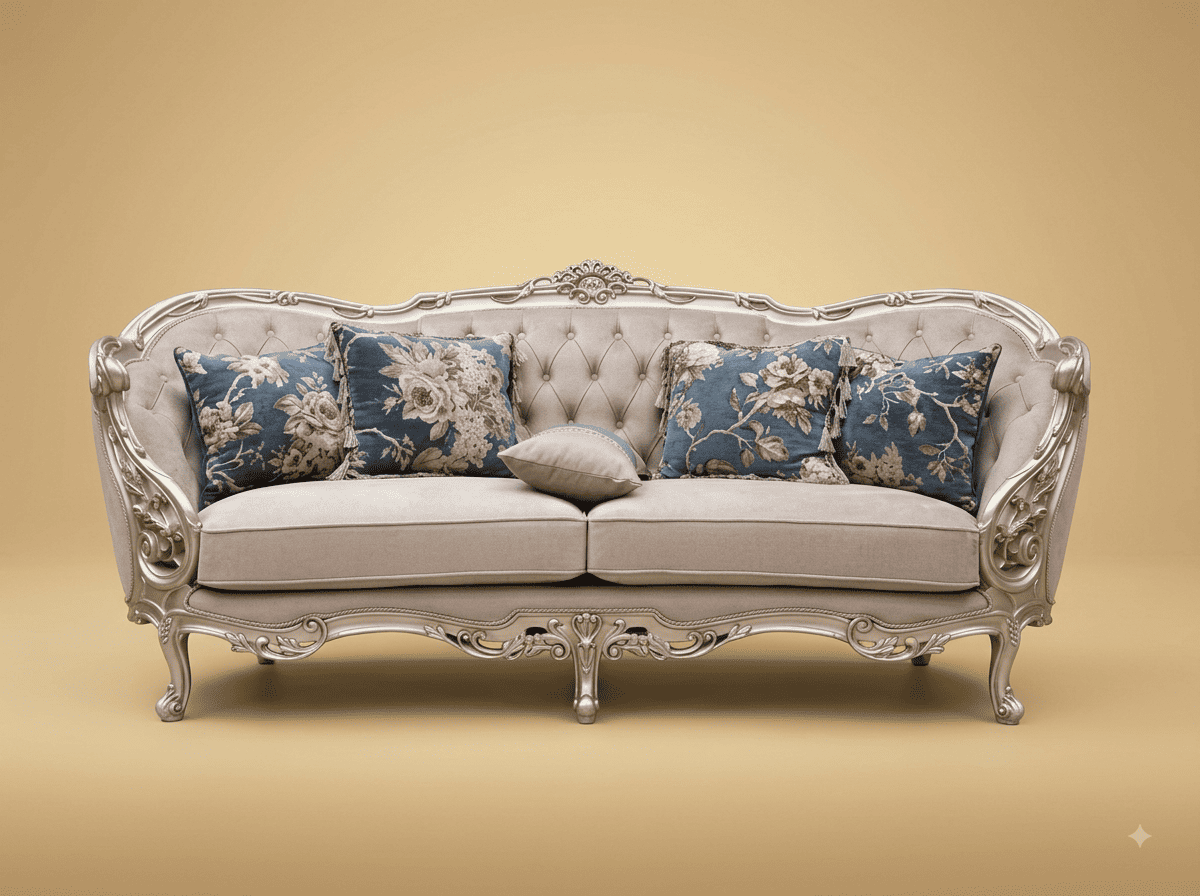
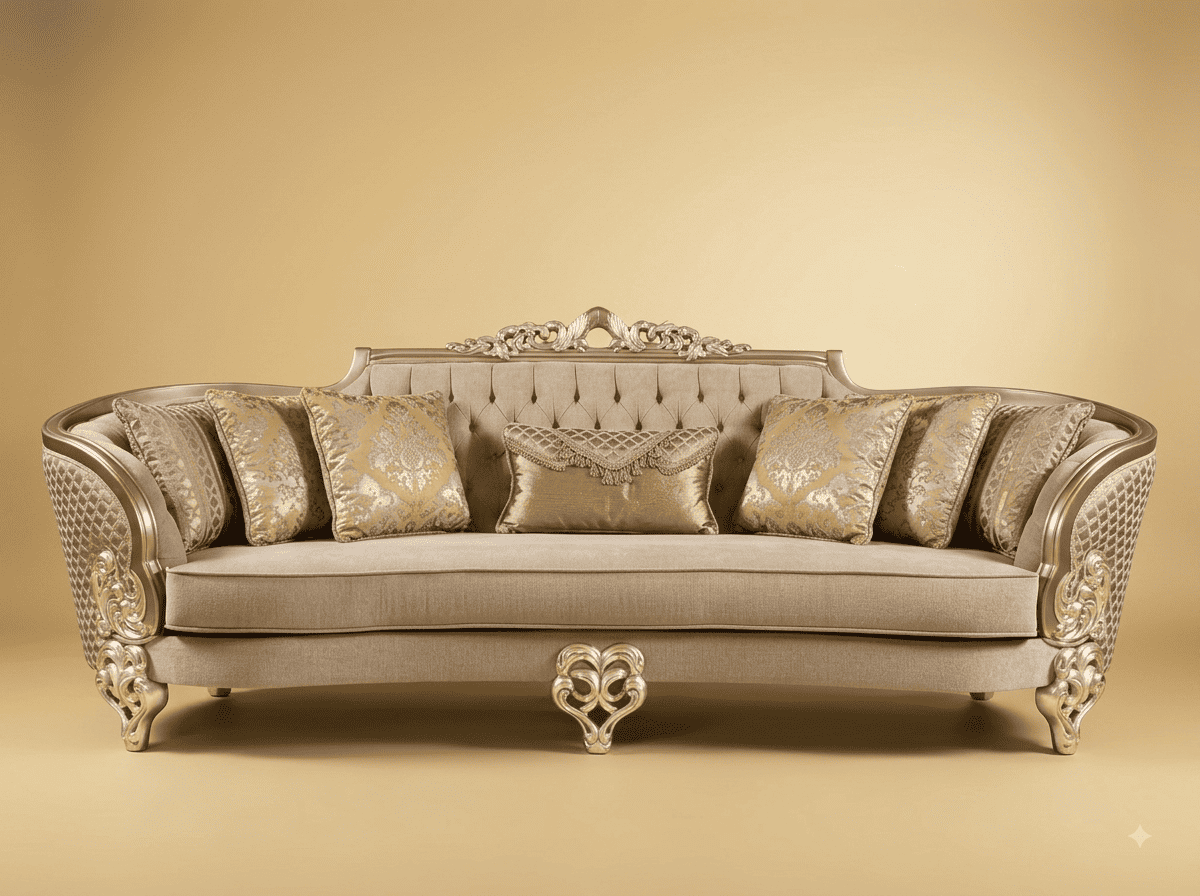
Judged by ornament alone, this is the quietest sofa we make. Judged by the frame, it is one of the more difficult. Almost nothing on it is straight: the front rail bows outward, the arms curve forward in plan and roll over in section, and the back rail is shaped along its top edge. Every one of those members has to be cut to a curve rather than sawn from straight stock, which raises both the timber cost and the failure rate, because a shaped section loses strength wherever the grain runs out at the surface and has to be laid out to keep the grain following the curve.
The reason to accept that cost is what the shape does when people sit down. A bow-fronted seat is deeper in the middle, so the person in the centre is not pushed forward relative to the two beside them, and forward-curving arms turn the outer seats very slightly inward towards each other. The result is a three seater on which three people can actually hold a conversation rather than sitting in a row facing the same wall. The quilted panels on the outer arms follow the same thinking: on a sofa that will often stand away from a wall, the outside is as visible as the inside, so it is finished as carefully. All of it is carved, finished and upholstered by hand by master Indian artisans.
 Ask Price On WhatsApp