Designing a Carved Bed Around Its Storage
Adding storage to a bed sounds like a small change and is not. A hydraulic base lifts the entire mattress platform on one hinge line, and everything the frame does while that happens, twisting, flexing, settling back, is transmitted straight into the joints of a carved footboard that was never designed to move. Drawers are no easier: a runner needs depth in the side rail, and if you take that depth you either raise the mattress until the headboard proportion looks wrong, or you lose the ground clearance that a carved apron needs to sit above the floor properly. Most carved beds skip the problem entirely and are sold without storage.
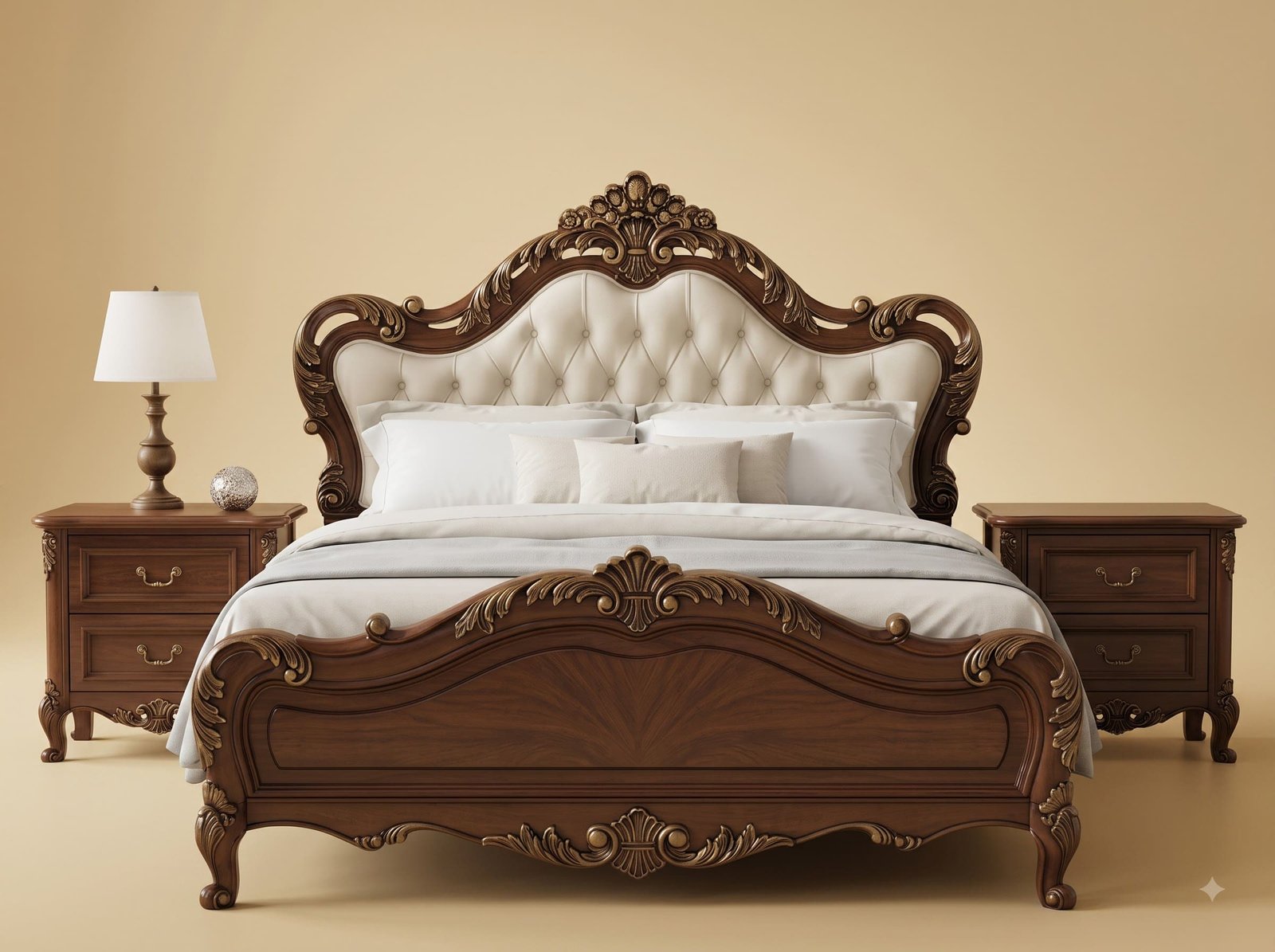
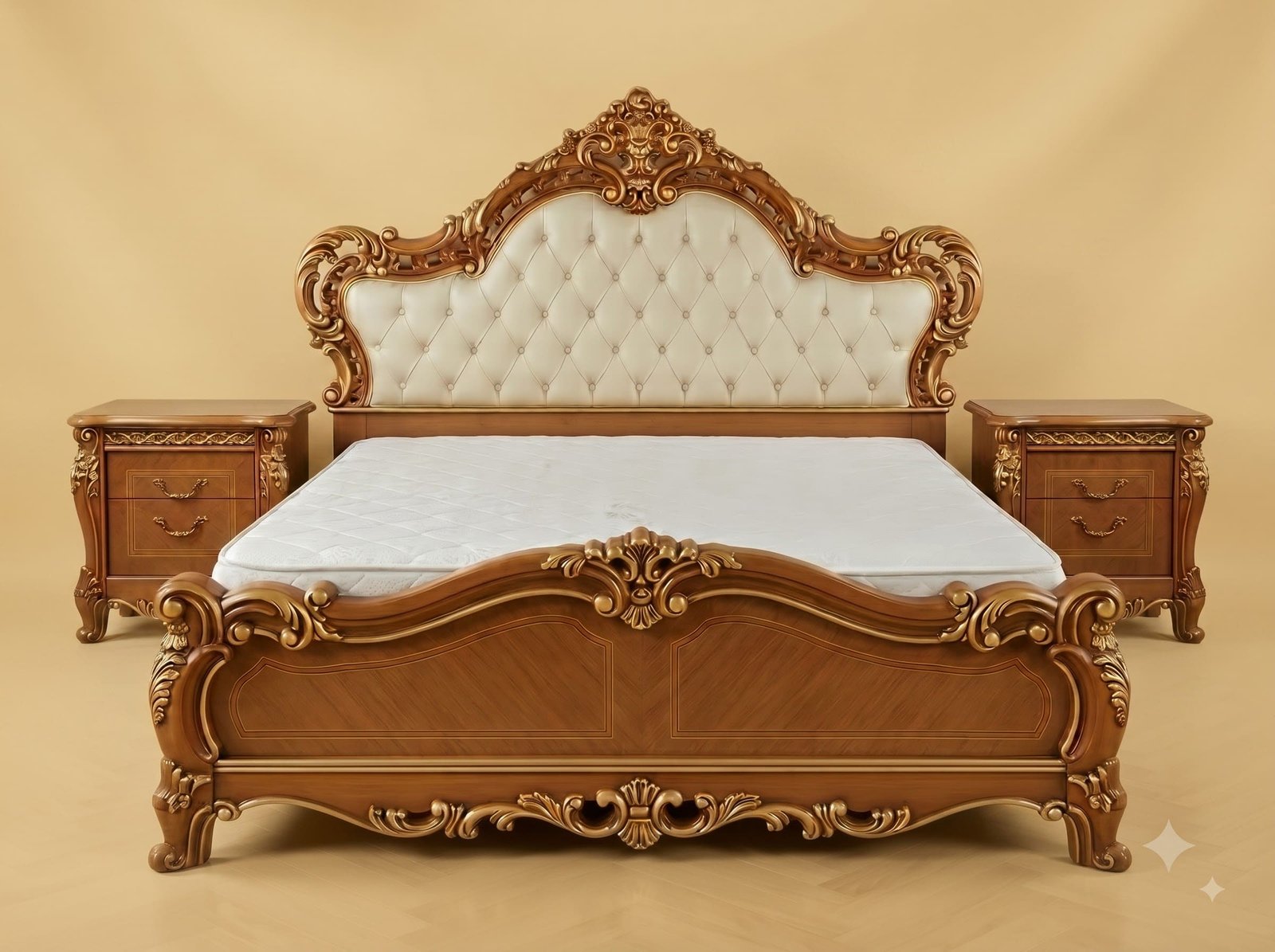
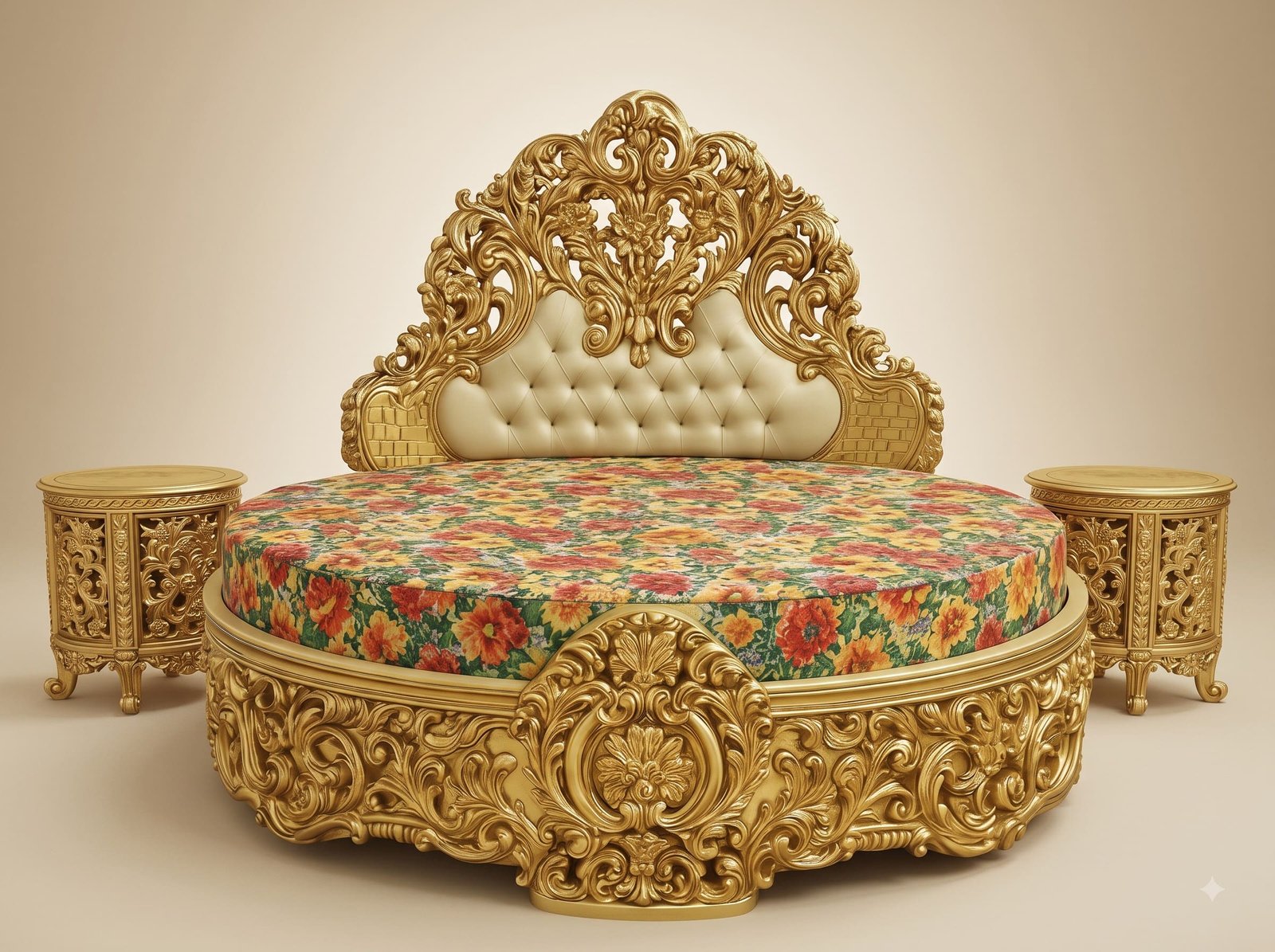
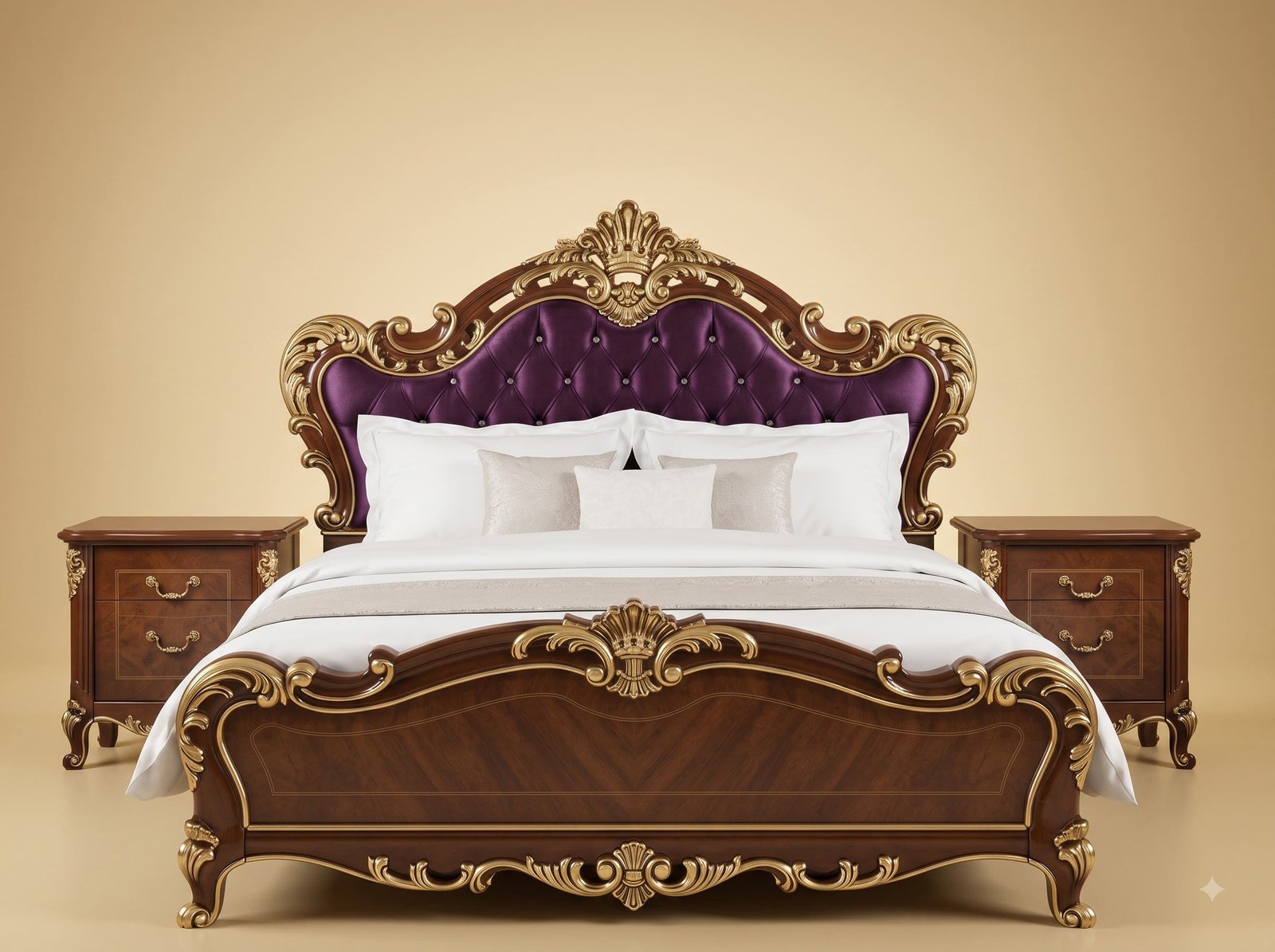
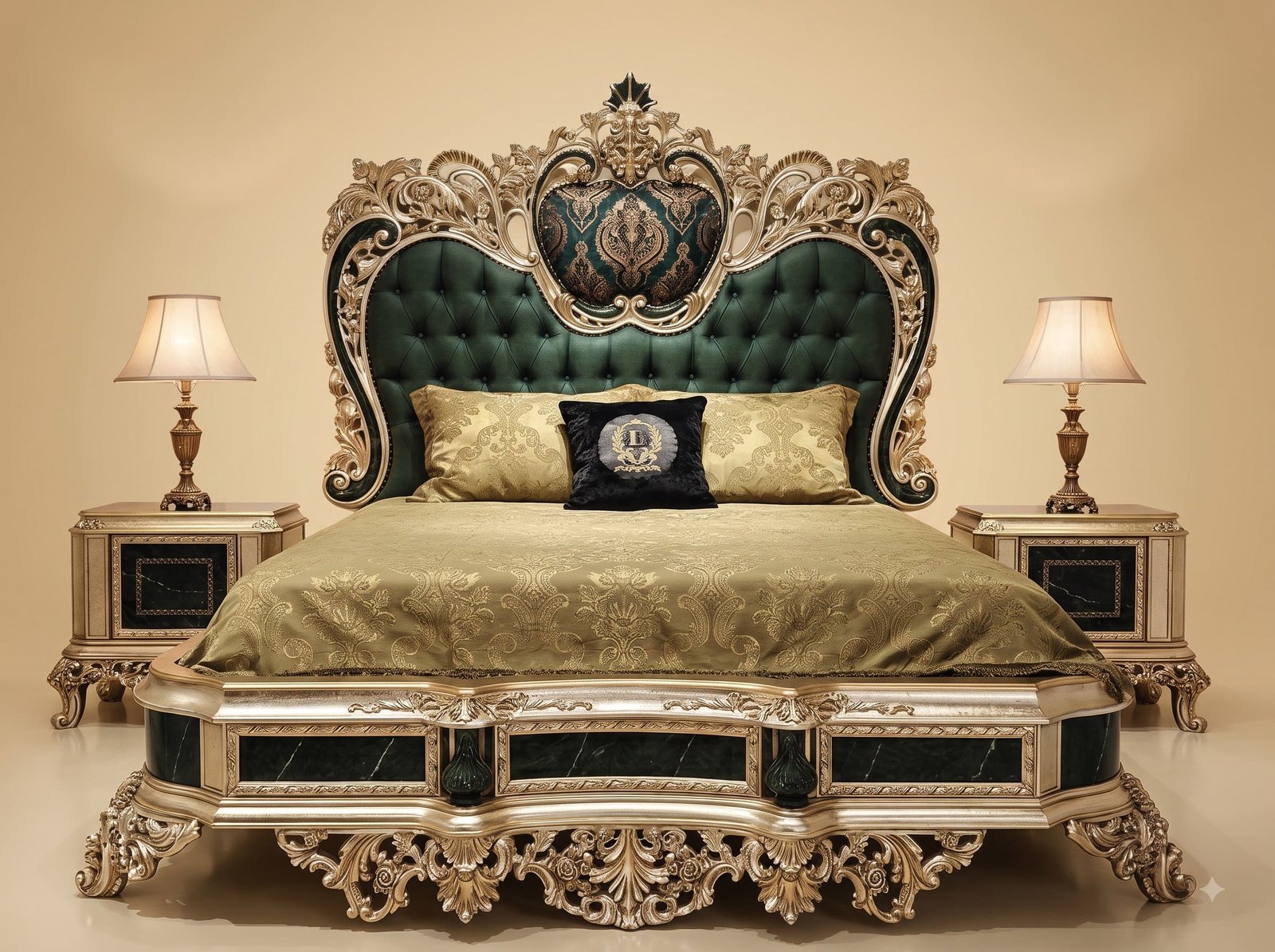
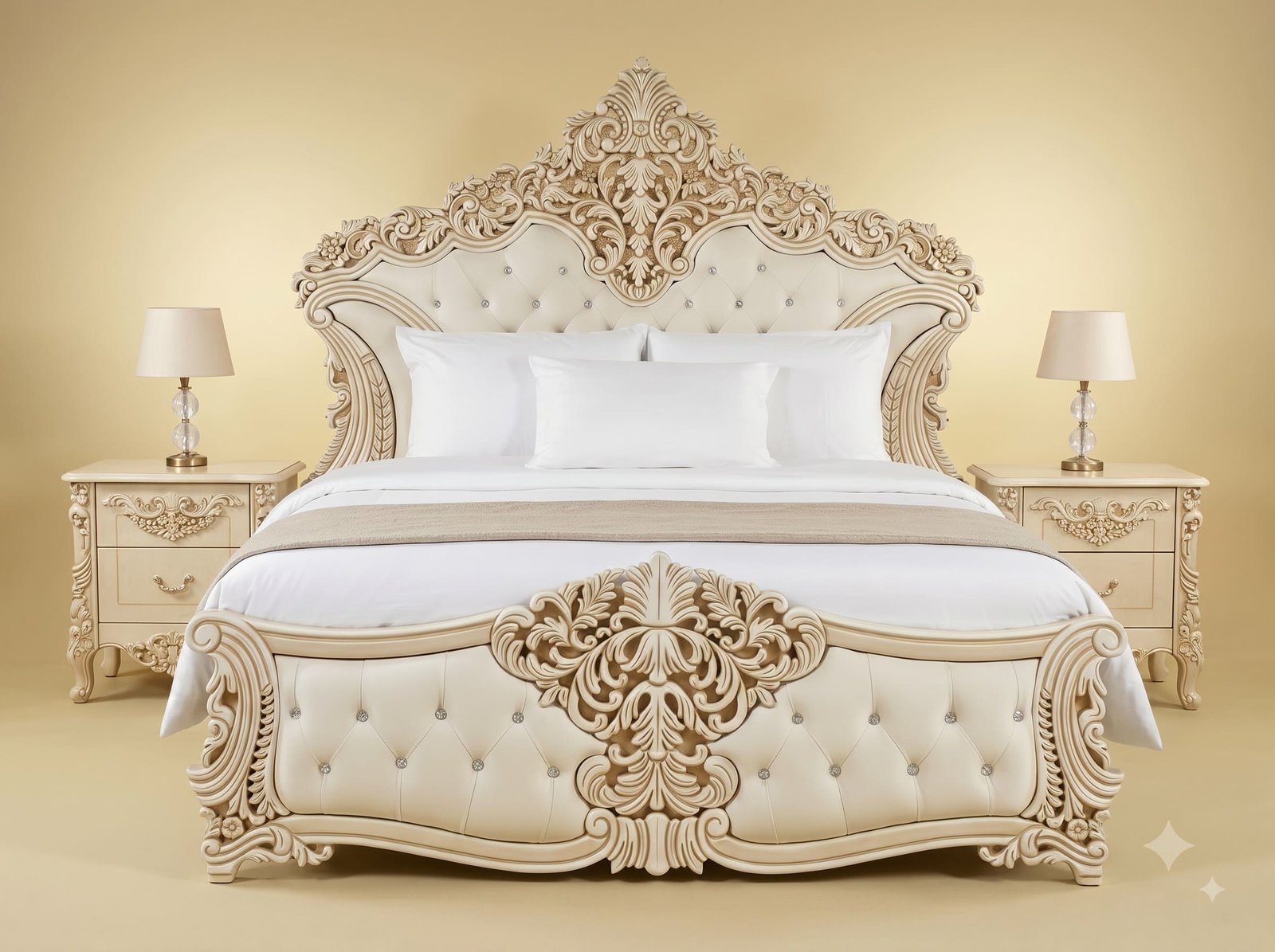
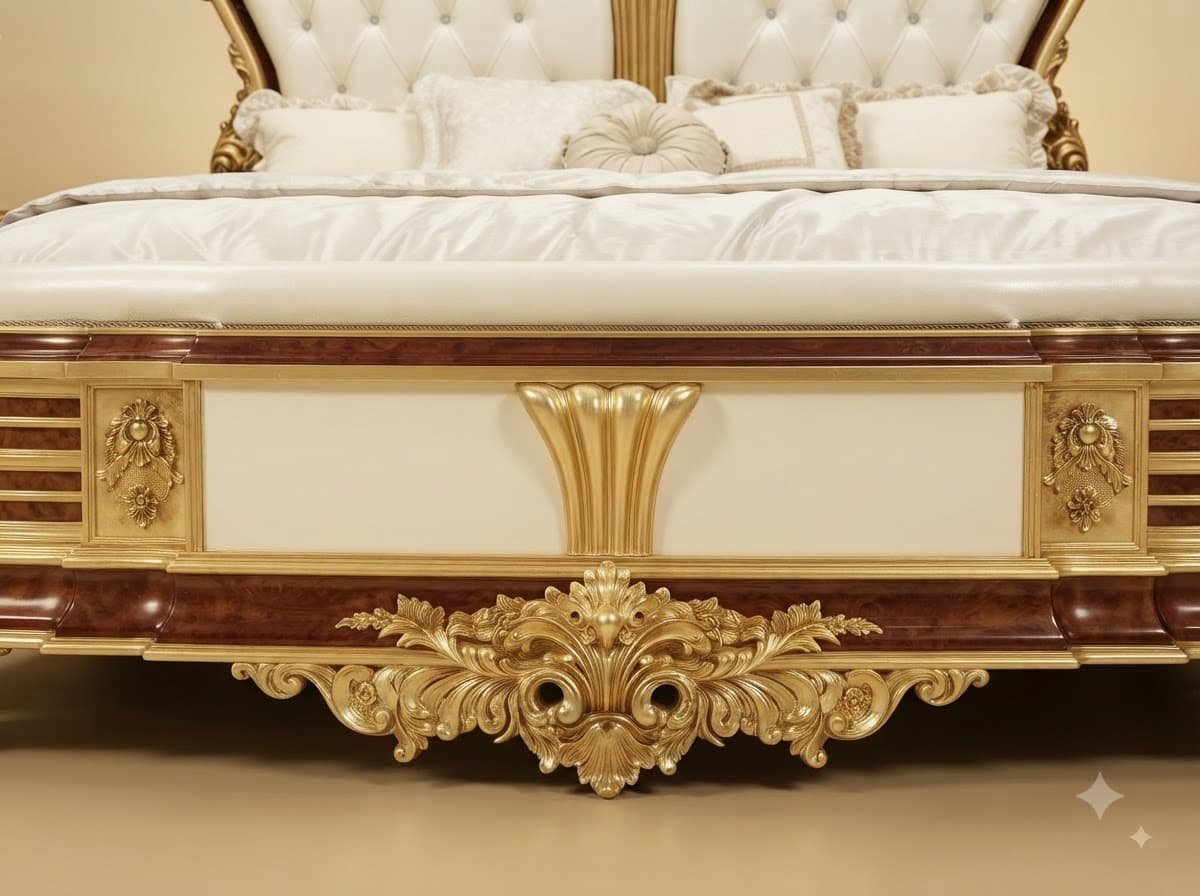
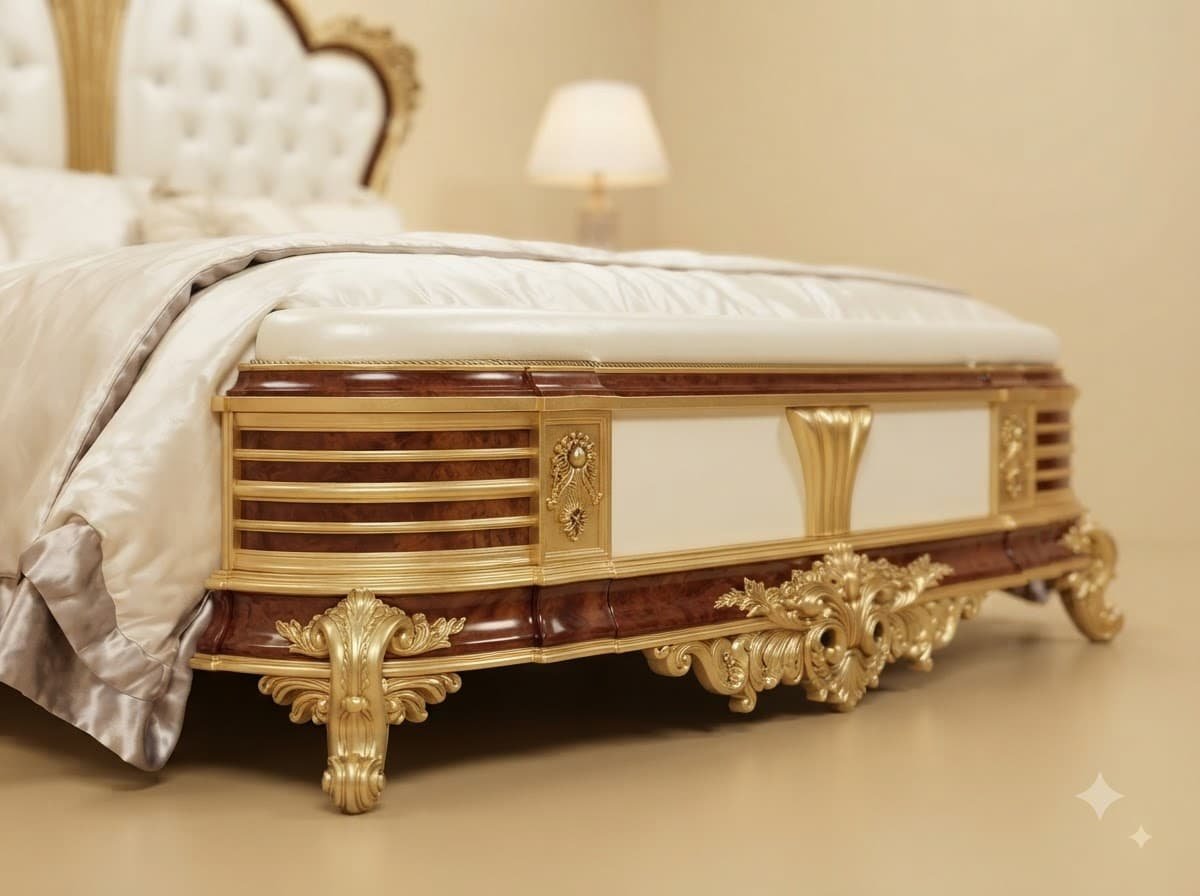
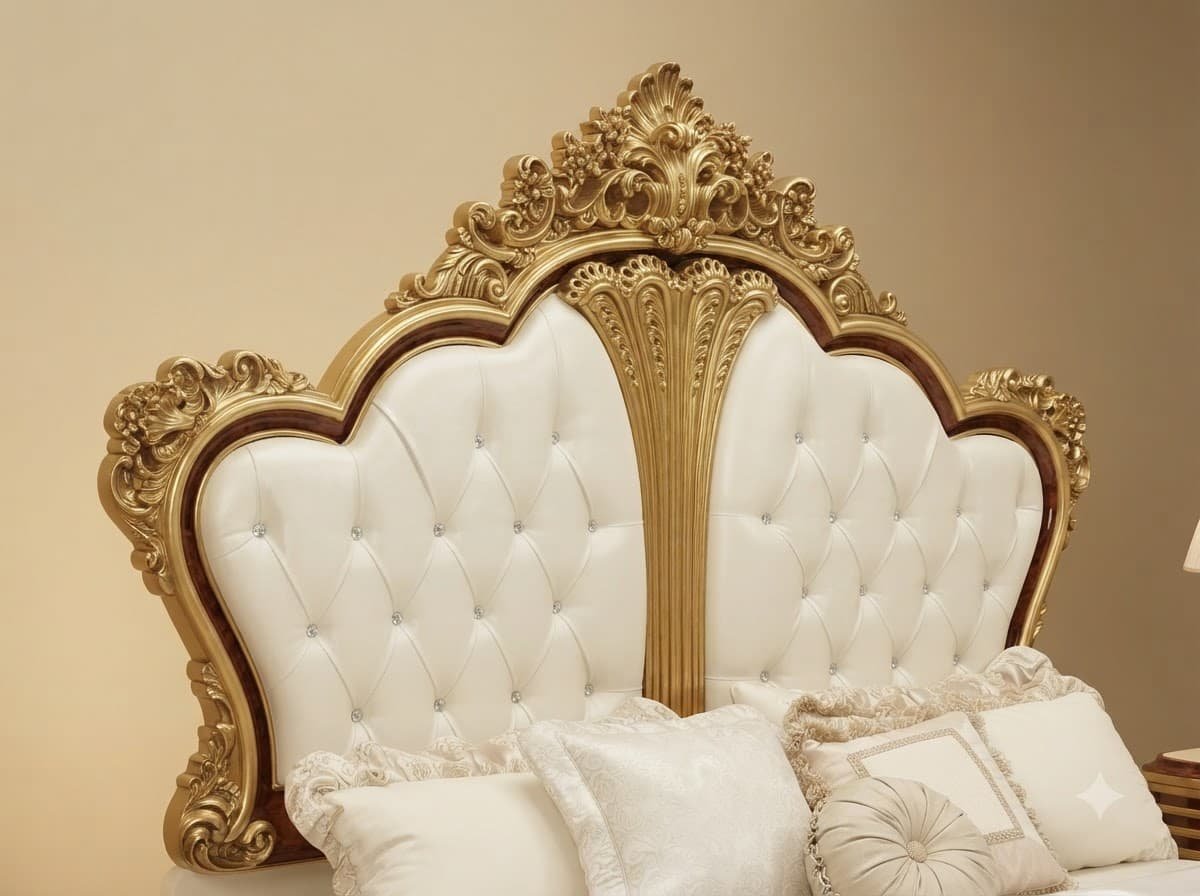
This one was drawn the other way round, starting from the base. Making the footboard a solid cabinet form rather than an open carved frame gives the structure a rigid box at the foot end, which is what stops the perimeter racking when a hydraulic platform is lifted. The fluted mahogany drums at the corners are structural as much as decorative; they are the vertical members carrying that rigidity down to the feet. The visual result, a low cabinet at the foot and a lighter buttoned headboard above, came out of the engineering rather than being imposed on it. It is carved, finished and assembled by hand by master Indian artisans, and the photographs show the actual piece.
 Ask Price On WhatsApp