Why a Curved Footboard Costs More to Build
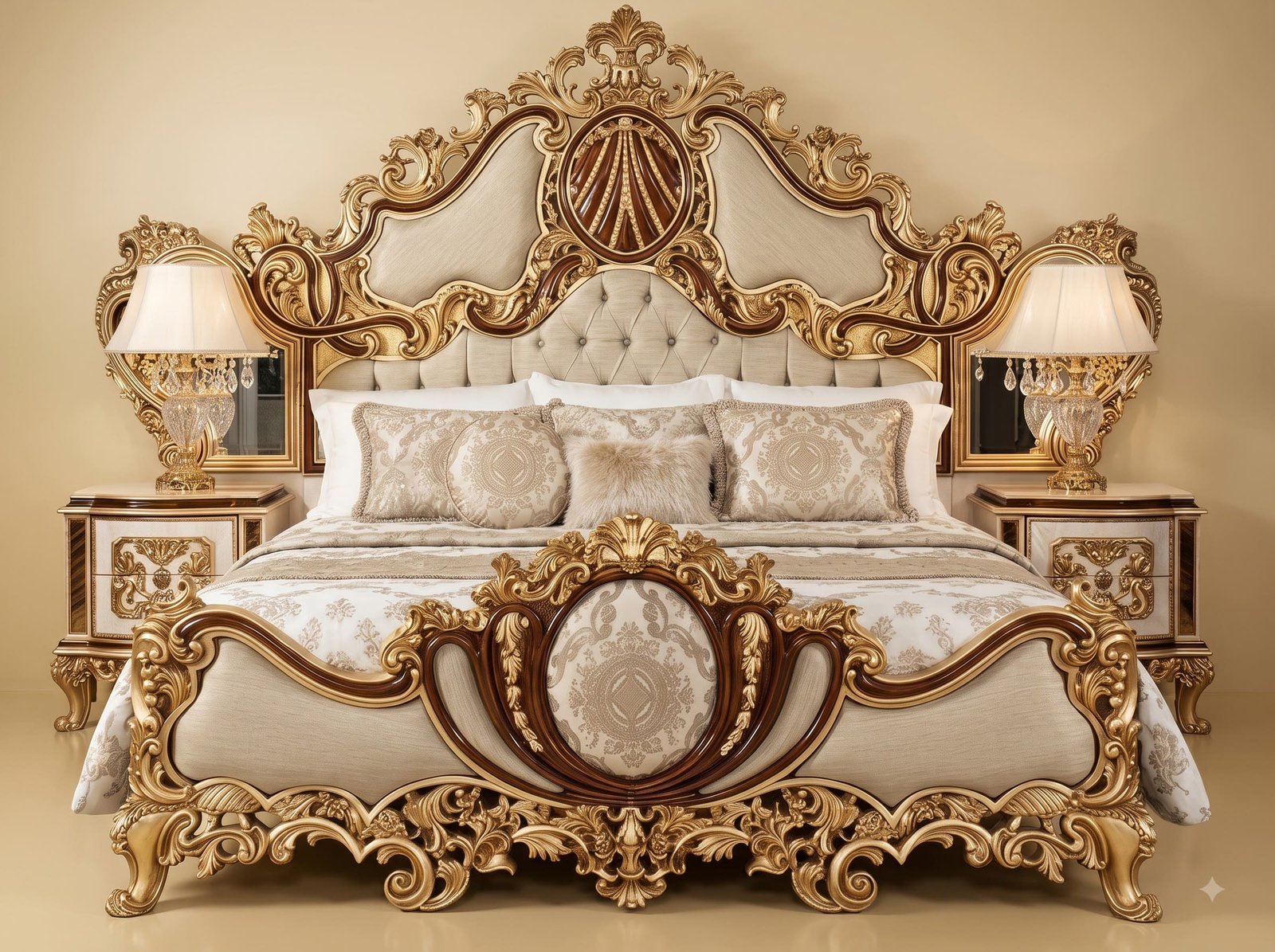
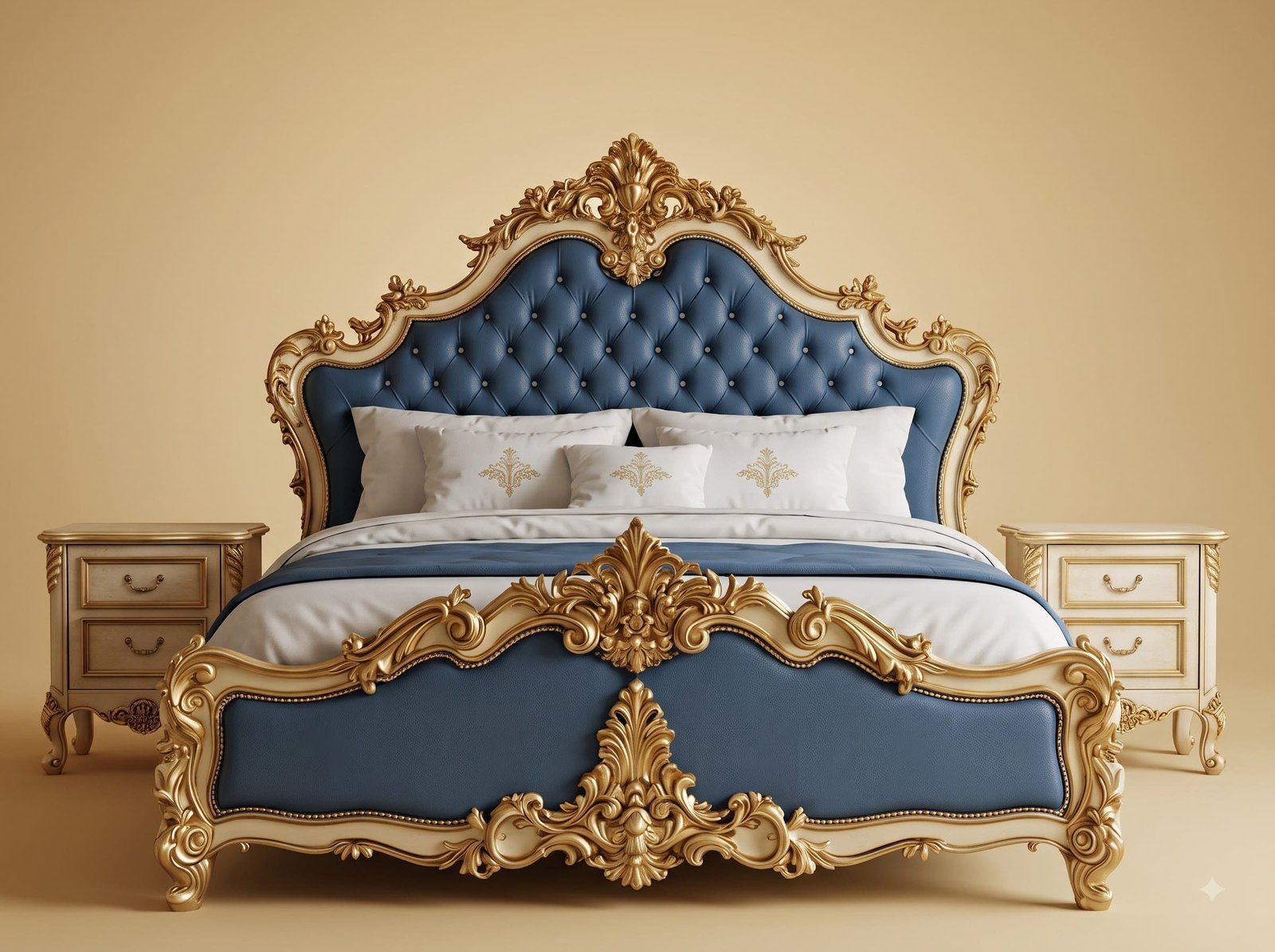
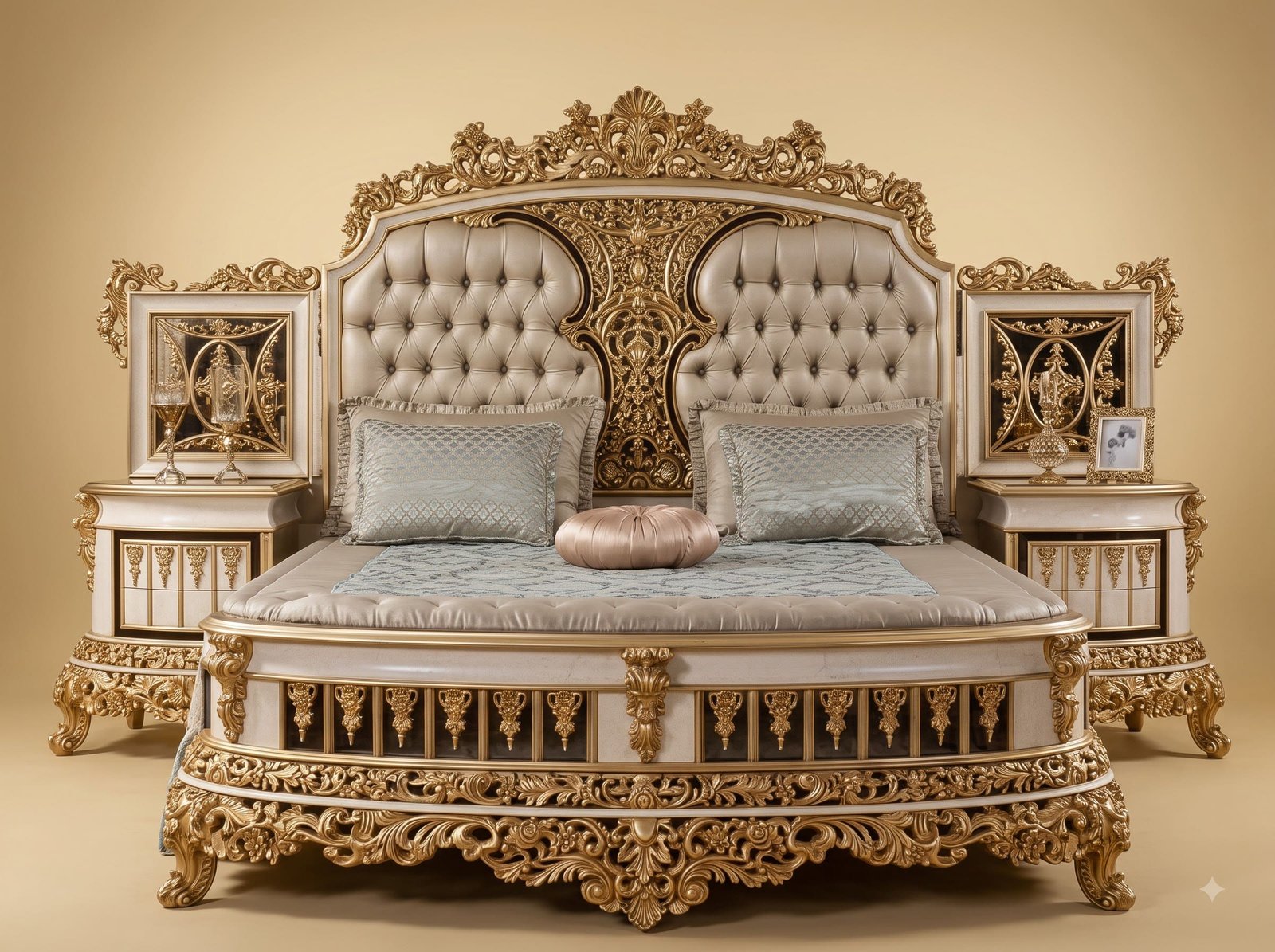
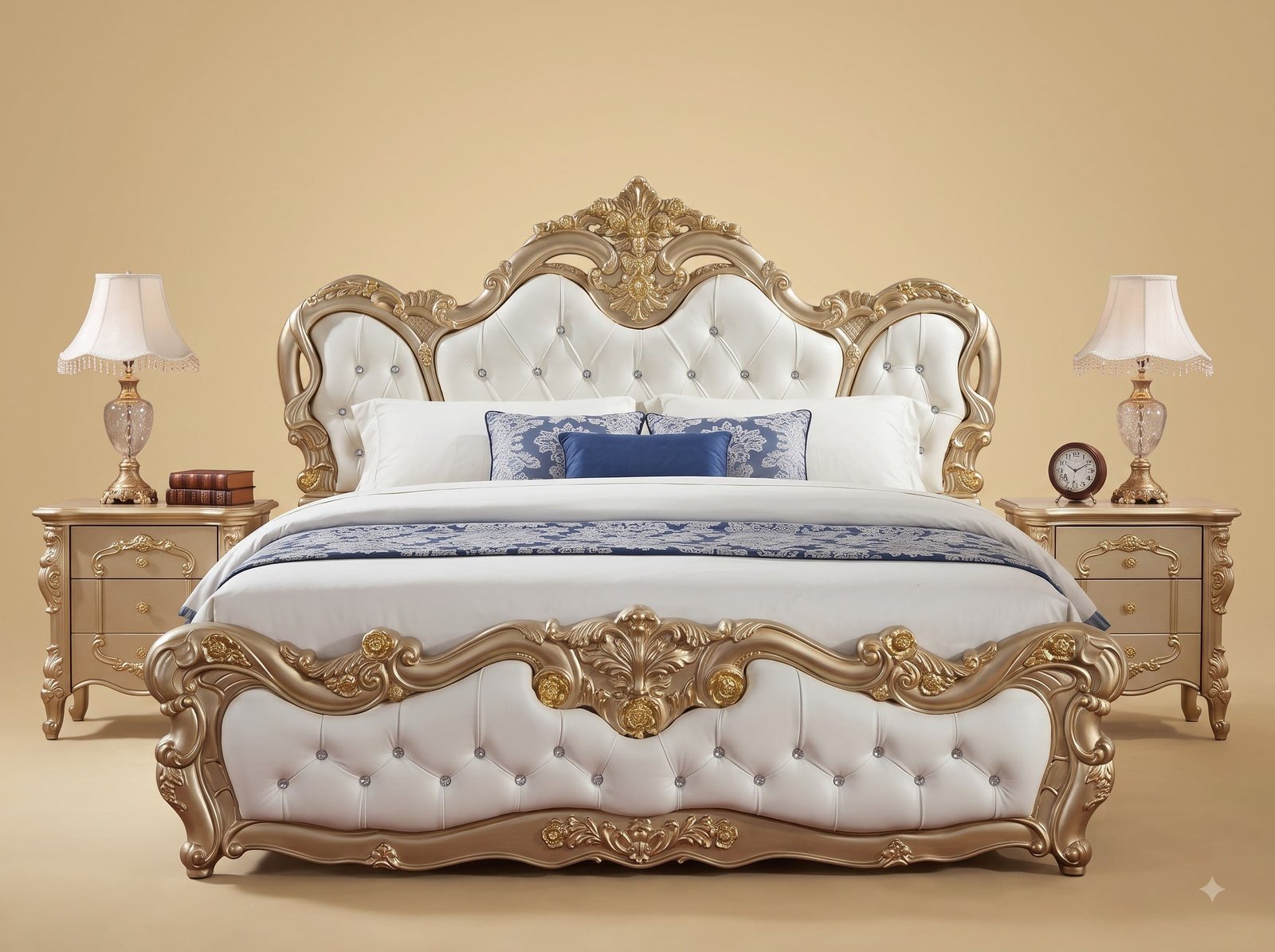
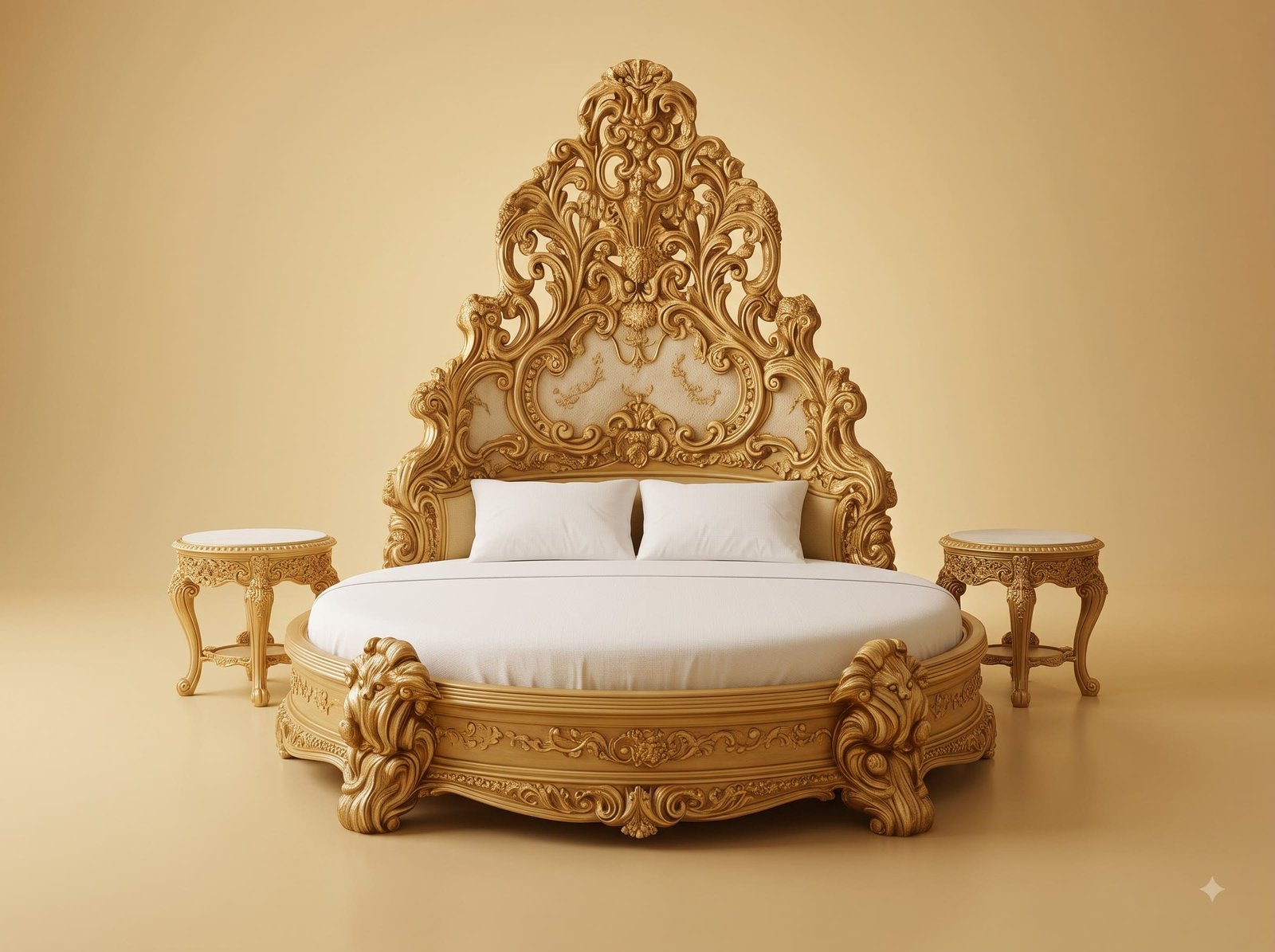
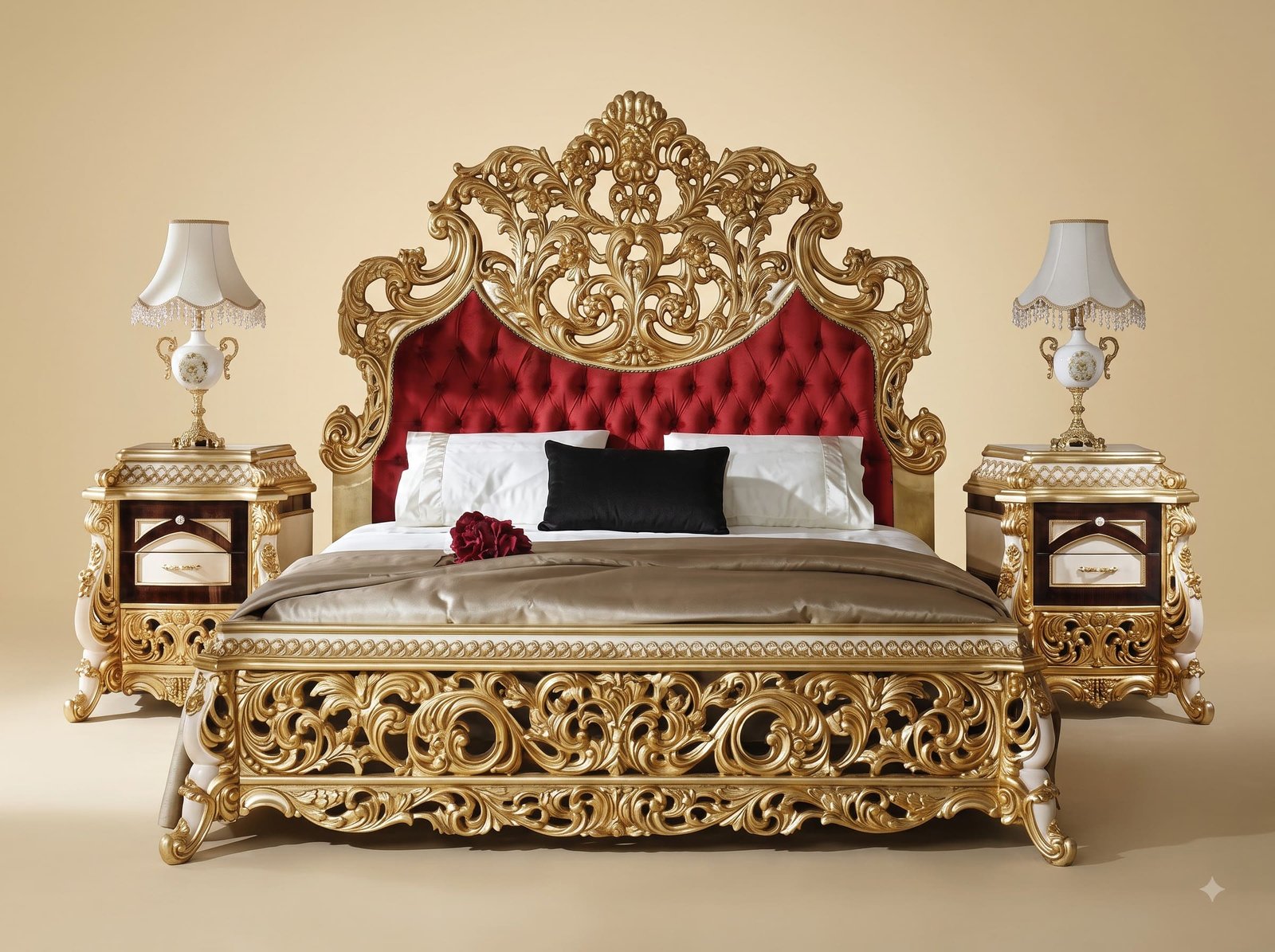
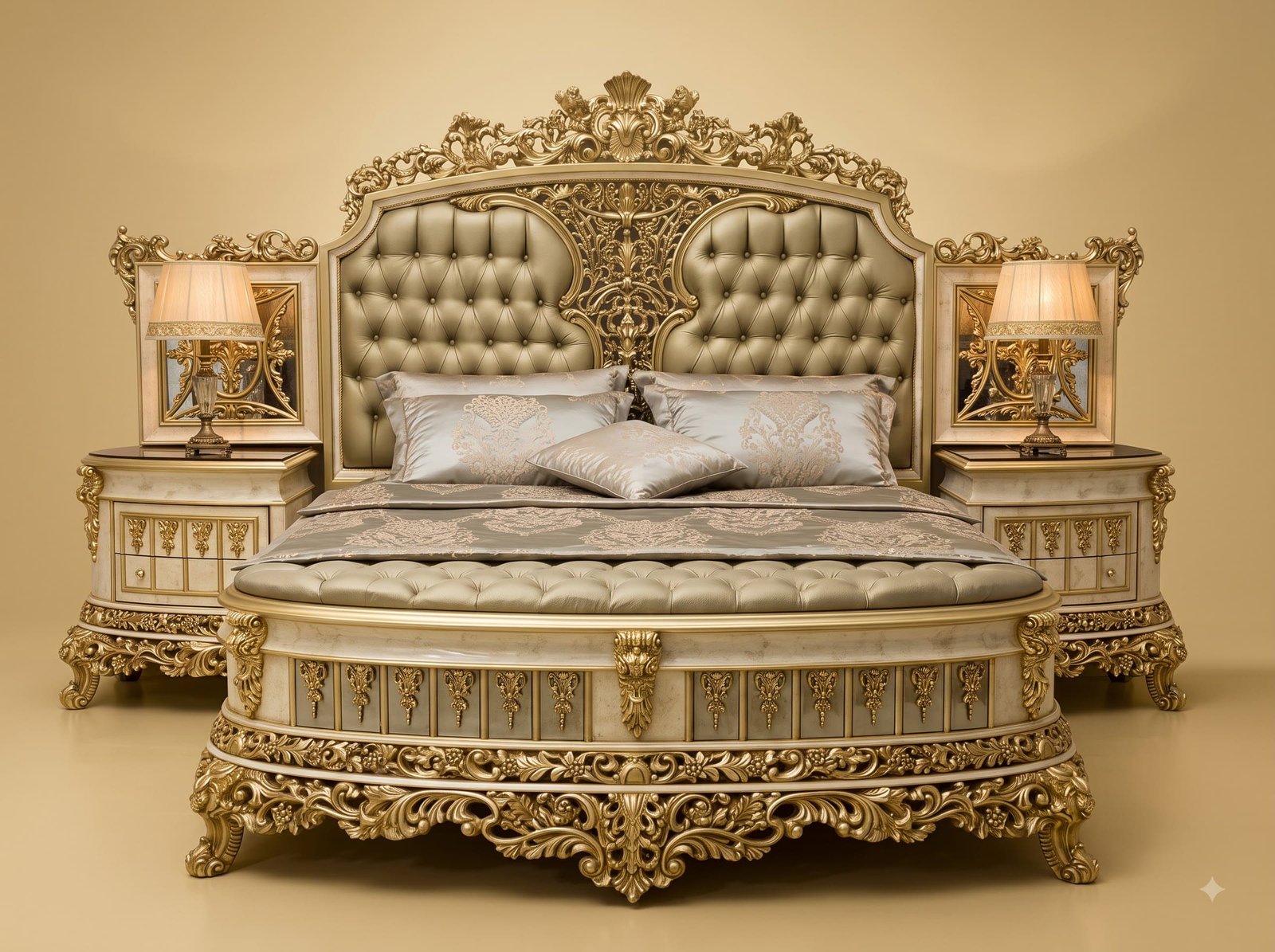
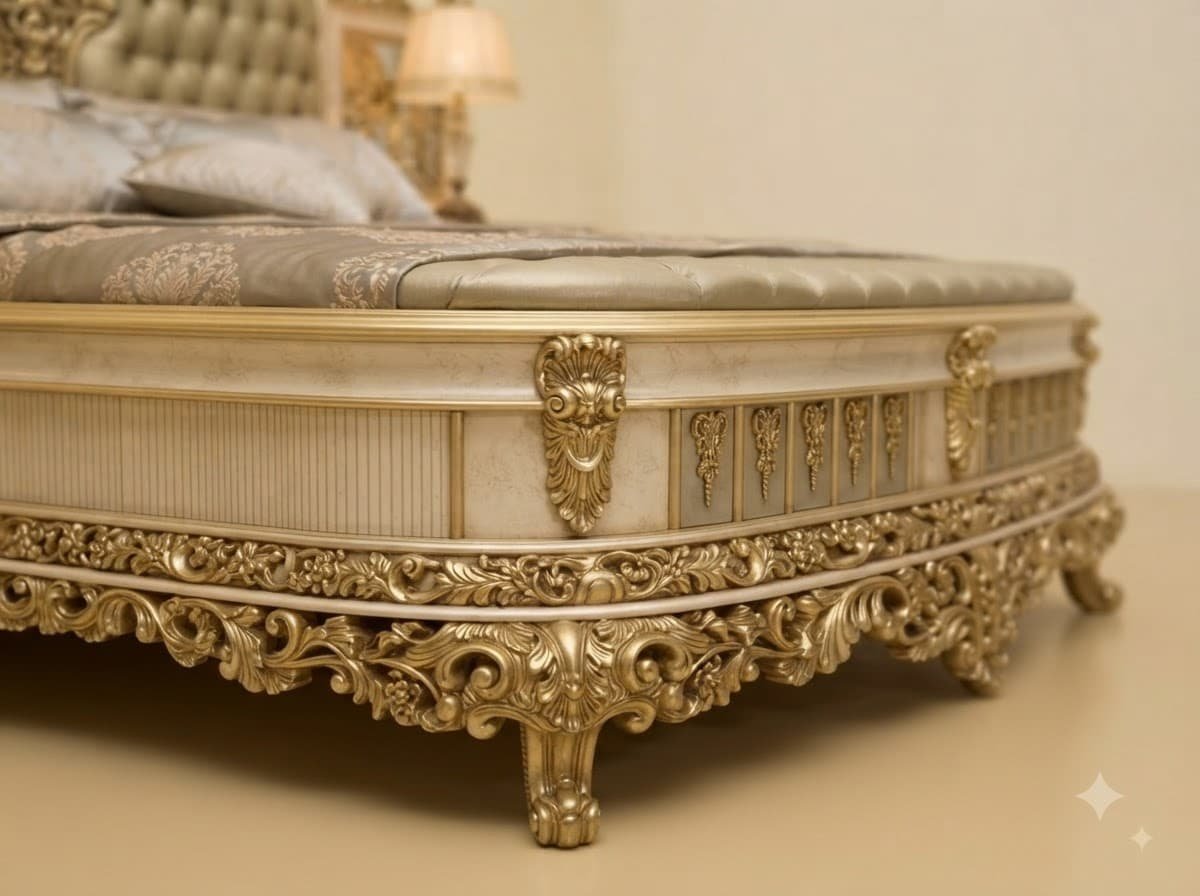
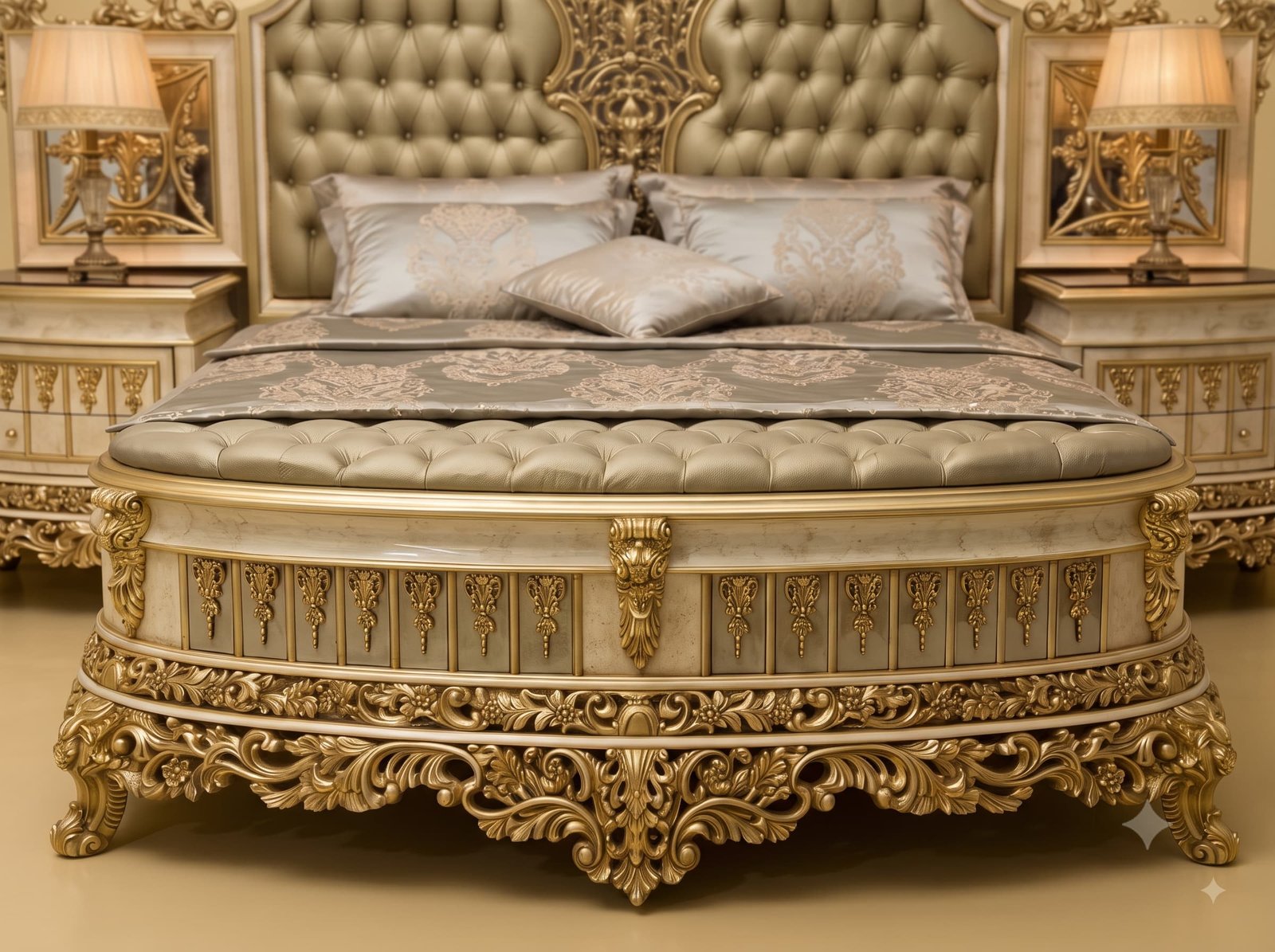
A flat footboard is cut from straight stock, carved on one plane and assembled square. A bowed one is a different job entirely. Every element that follows the curve, including the panelled face, the carved pilasters, the mask at the centre and the deep foliate band at the bottom, has to be worked to a radius. The carving cannot be laid out flat and then bent; it is cut into components already shaped to the curve, which means the carver is working on a moving surface and the layout has to be set out to keep the ornament evenly spaced around an arc rather than along a line. Get the spacing wrong and it reads as a mistake from across the room.
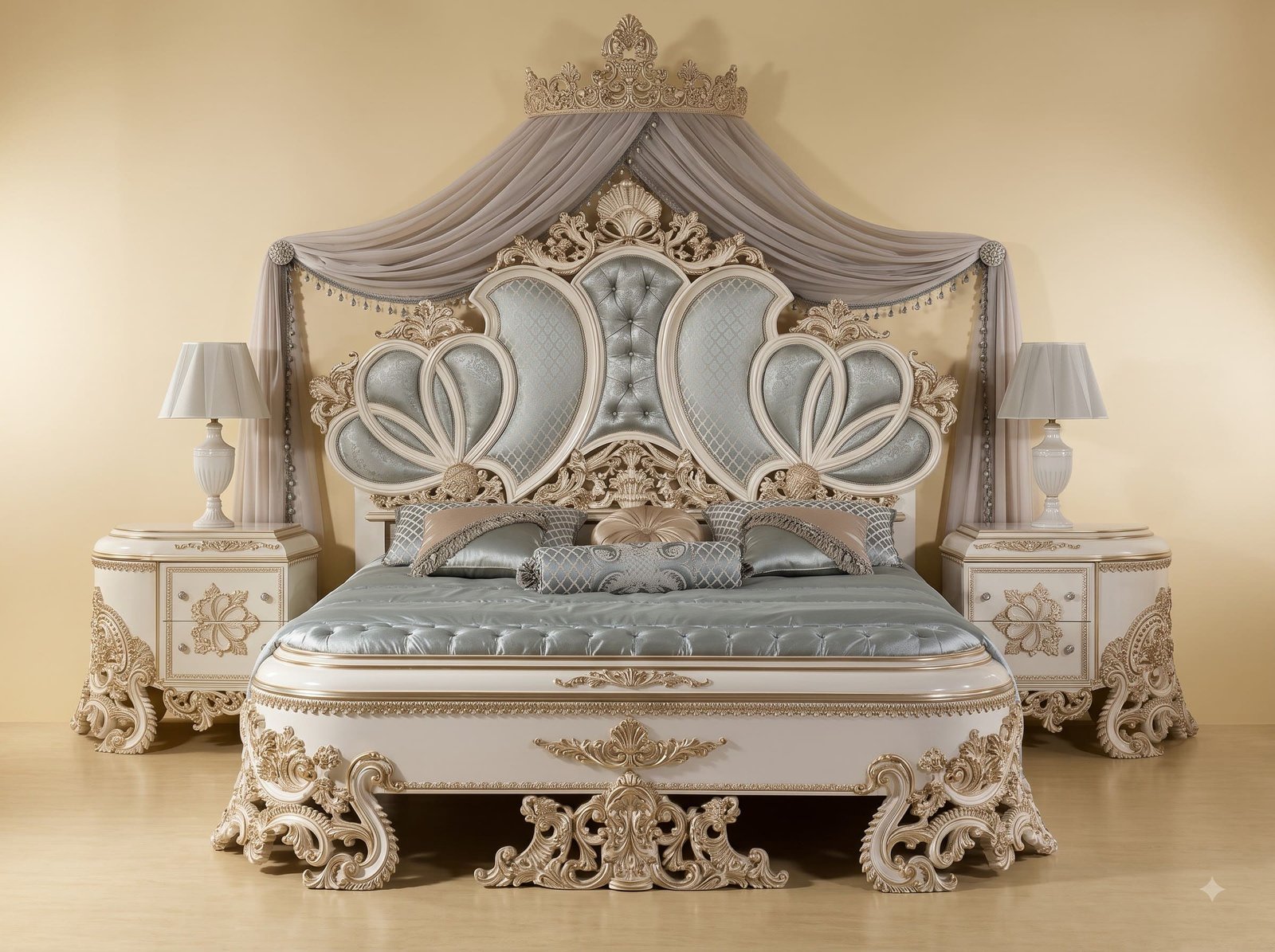
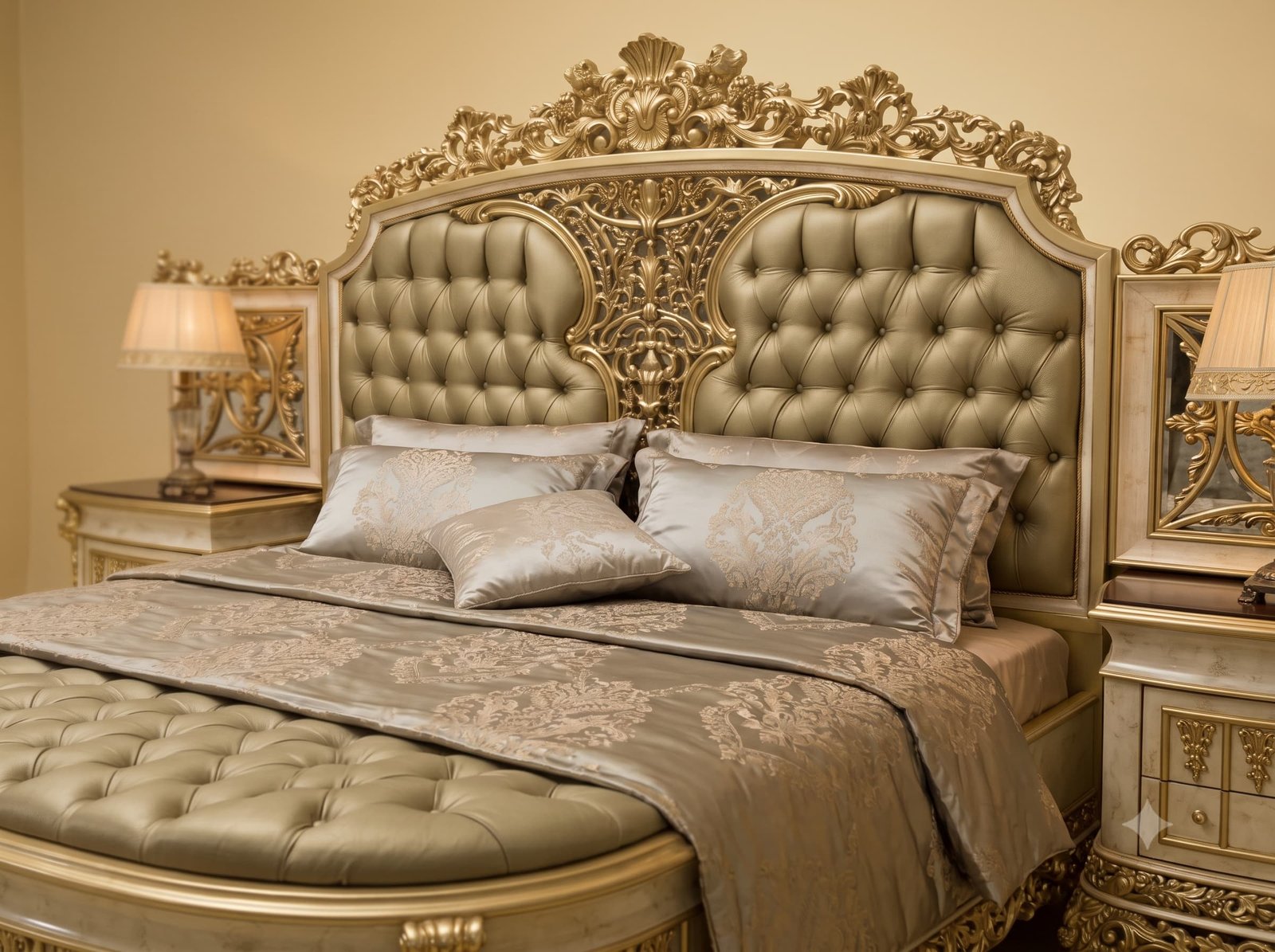
The reason to do it is what it does to the room. A flat footboard cuts a hard line across the end of the bed and pushes the eye back. A bow carries the line of the base outward and around, so the bed reads as a single continuous form from headboard to foot instead of three separate planes. The buttoned top rail continues that thought: it turns the highest edge of the footboard, the one people actually sit on and lean against, into a padded surface rather than carved timber. All of it is shaped, carved, gilded and upholstered by hand by master Indian artisans, and the photographs on this page show the actual piece.
 Ask Price On WhatsApp